
The Silent Struggle: Pets Deprived of Opportunity
We often hear stories of triumphant pets – the rescue dog who becomes a therapy animal, the timid cat who blossoms into a confident companion. These narratives warm our hearts and reinforce the belief that with enough love and care, any animal can thrive. But what about the pets who never get that chance? What about those who are, in essence, set up to fail from the very beginning? These are the silent sufferers, the ones whose potential is stifled not by malice, but by ignorance, neglect, or simply a lack of understanding.
The failure of a pet isn’t always about overt mistreatment. It’s often a more insidious process, a gradual erosion of their well-being through a series of missed opportunities. Think of the energetic border collie confined to a small apartment, or the sensitive rescue cat overwhelmed by a chaotic household. These animals aren’t necessarily abused, but their fundamental needs are not being met, leading to behavioral problems, anxiety, and a diminished quality of life. They are, in a very real sense, failing because they never had a real chance to succeed.
Unrealistic Expectations and Breed Mismatches
One of the most common reasons pets fail is due to unrealistic expectations on the part of their owners. People often choose pets based on appearance or perceived personality traits, without fully understanding the breed’s inherent needs and tendencies.
For example, the Siberian Husky, with its stunning blue eyes and wolf-like appearance, is a popular breed. But what many potential owners don’t realize is that Huskies are bred to run and pull sleds for hours on end. Confining a Husky to a suburban backyard, even with daily walks, is a recipe for disaster. The dog’s pent-up energy will manifest in destructive behaviors like digging, chewing, and excessive barking. The owner, frustrated by the dog’s “bad” behavior, may resort to punishment, further exacerbating the problem. The Husky, in this scenario, isn’t a “bad” dog; it’s simply a dog whose needs are not being met. Its failure isn’t its fault; it’s a consequence of being placed in an environment that is fundamentally incompatible with its nature.
Another common mismatch involves highly intelligent breeds like the Australian Shepherd. These dogs thrive on mental stimulation and need a job to do. Without adequate training and enrichment, they can become bored and anxious, leading to compulsive behaviors like tail chasing or excessive licking. Owners who are unprepared to provide the necessary mental and physical stimulation often find themselves struggling to manage these dogs, leading to frustration for both the owner and the pet. The dog isn’t inherently flawed; it simply needs an environment that challenges its intellect and provides an outlet for its energy.
The Impact of Early Socialization (or Lack Thereof)
Early socialization is crucial for the development of a well-adjusted pet. Exposing puppies and kittens to a variety of sights, sounds, people, and animals during their critical socialization period (typically between 3 and 16 weeks of age) helps them develop into confident and well-behaved adults. A lack of socialization, on the other hand, can lead to fear, anxiety, and aggression.
Imagine a puppy raised in isolation, never exposed to other dogs or people. When this puppy is eventually brought into a home, it may be terrified of strangers, reactive to other dogs, and easily overwhelmed by new environments. Simple things like a doorbell ringing or a car backfiring can trigger extreme anxiety. The owner, struggling to manage the dog’s fear and reactivity, may label the dog as “aggressive” or “untrainable.” But the dog’s behavior is simply a consequence of its early experiences (or lack thereof). It never had the opportunity to learn how to navigate the world confidently, and as a result, it’s constantly living in a state of fear.
Conversely, a well-socialized puppy will approach new experiences with curiosity and confidence. They will be more likely to tolerate handling, interact positively with other animals, and adapt to new environments with ease. The difference between these two scenarios is profound, and it highlights the critical importance of early socialization in setting a pet up for success.
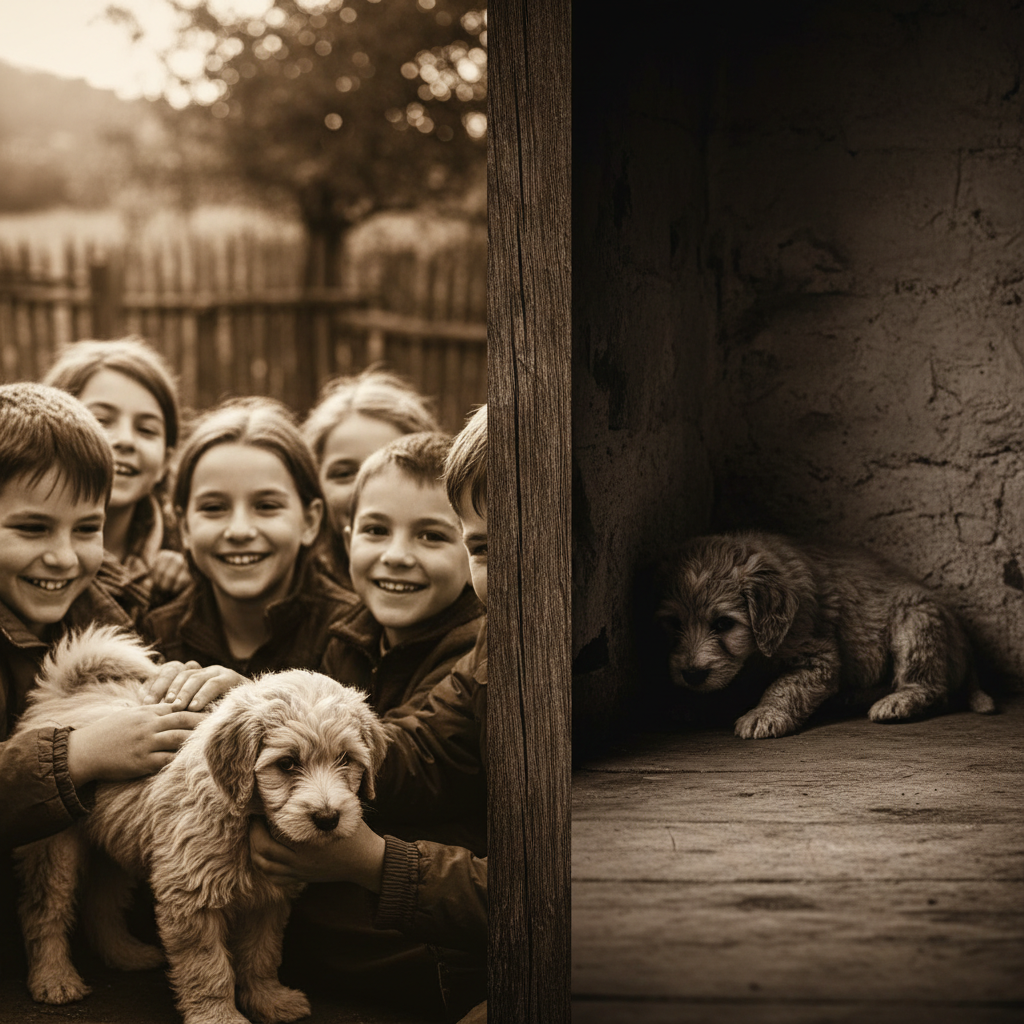
The Trap of Neglect: Physical and Emotional
Neglect, both physical and emotional, is another significant factor that can contribute to a pet’s failure. Physical neglect includes things like inadequate food, water, shelter, and veterinary care. Emotional neglect, on the other hand, involves a lack of attention, affection, and mental stimulation.
A dog left alone in a backyard all day, with only a bowl of dry food and a muddy water dish, is a victim of physical neglect. This dog is not only deprived of basic necessities but also lacks the opportunity for social interaction and mental stimulation. Over time, this neglect can lead to behavioral problems, health issues, and a general decline in well-being. The dog may become withdrawn, aggressive, or engage in destructive behaviors as a way to cope with its isolation and boredom.
Emotional neglect can be just as damaging. A cat that is never played with, cuddled, or even acknowledged may become withdrawn and depressed. These cats often develop behavioral problems like litter box avoidance or excessive grooming as a way to express their distress. They may also become fearful and reactive, making it difficult to handle them or introduce them to new people or animals. The absence of affection and attention can have a profound impact on a pet’s emotional well-being, leading to a diminished quality of life and a sense of hopelessness.
The Cycle of Punishment and Misunderstanding
Punishment-based training methods are often counterproductive and can actually exacerbate behavioral problems. When a pet is punished for exhibiting unwanted behaviors, it can become fearful, anxious, and less likely to trust its owner. This can lead to a cycle of punishment and misunderstanding, where the pet’s behavior worsens, and the owner becomes increasingly frustrated.
Consider a dog that barks excessively. An owner who responds to this barking with yelling or physical punishment is likely to make the problem worse. The dog may bark even more out of fear or anxiety, or it may learn to suppress its barking in the owner’s presence, only to bark excessively when the owner is away. Positive reinforcement, on the other hand, involves rewarding the dog for desired behaviors. This approach is not only more effective but also strengthens the bond between the owner and the pet.
Misunderstanding a pet’s body language can also lead to problems. For example, a dog that is yawning or licking its lips may not be tired or thirsty; it may be displaying signs of stress or anxiety. If an owner misinterprets these signals and continues to approach the dog, the dog may feel threatened and react defensively. Learning to read a pet’s body language is essential for understanding its needs and preventing misunderstandings that can lead to behavioral problems.

Breaking the Cycle: Creating a Supportive Environment
The good news is that it’s possible to break the cycle of failure and create a supportive environment where pets can thrive. This requires a commitment to understanding a pet’s needs, providing adequate care, and using positive reinforcement training methods.
Education and Preparation: The Foundation of Success
Before bringing a pet into your home, it’s essential to do your research. Learn about the specific needs of the breed or species you’re considering. Understand their exercise requirements, mental stimulation needs, and potential health problems. Talk to breeders, rescue organizations, and veterinarians to gather as much information as possible.
Preparing your home for a new pet is also crucial. Create a safe and comfortable environment where the pet can feel secure. Provide appropriate bedding, toys, and enrichment items. Puppy-proof your home to prevent accidents and ensure the pet’s safety.
Consider enrolling in a training class or working with a professional dog trainer or behaviorist. These professionals can provide valuable guidance on how to train your pet using positive reinforcement methods and address any behavioral problems that may arise.
Meeting Basic Needs: The Cornerstone of Well-being
Providing adequate food, water, shelter, and veterinary care is essential for a pet’s physical health and well-being. Feed your pet a high-quality diet that is appropriate for its age, breed, and activity level. Ensure that fresh water is always available. Provide a comfortable and safe shelter where the pet can rest and escape the elements.
Regular veterinary checkups are crucial for preventing and detecting health problems early on. Vaccinations, parasite control, and dental care are all important aspects of preventive veterinary care. Be sure to follow your veterinarian’s recommendations for maintaining your pet’s health.
Beyond the basics, consider the specific needs of your pet. Does your dog need daily walks or playtime? Does your cat need scratching posts and climbing structures? Providing these things can significantly improve your pet’s quality of life and prevent behavioral problems.
Enrichment and Stimulation: Keeping Minds and Bodies Active
Mental and physical stimulation are essential for preventing boredom and anxiety in pets. Provide your pet with a variety of toys, puzzles, and enrichment items to keep them entertained. Rotate these items regularly to keep things interesting.
Engage in activities that challenge your pet’s mind and body. Take your dog for walks in new places, play fetch, or teach them new tricks. Provide your cat with climbing structures, scratching posts, and interactive toys.
Consider enrolling your pet in activities like agility, obedience, or flyball. These activities can provide valuable mental and physical stimulation and strengthen the bond between you and your pet.

The Power of Positive Reinforcement: Building Trust and Understanding
Positive reinforcement training methods are the most effective and humane way to train a pet. This approach involves rewarding the pet for desired behaviors, which encourages them to repeat those behaviors in the future.
Use treats, praise, or toys to reward your pet when they exhibit desired behaviors. Be consistent with your rewards and make sure your pet understands what they are being rewarded for.
Avoid using punishment-based training methods, as these can be counterproductive and damaging to your pet’s well-being. Instead, focus on rewarding positive behaviors and redirecting unwanted behaviors.
Learn to read your pet’s body language and understand their needs. This will help you communicate effectively with your pet and prevent misunderstandings that can lead to behavioral problems.
Beyond the Individual: Addressing Systemic Issues
While individual owners can make a significant difference in the lives of their pets, it’s also important to address the systemic issues that contribute to pet failure. This includes things like irresponsible breeding, pet overpopulation, and a lack of education about pet care.
Combating Irresponsible Breeding: Promoting Ethical Practices
Irresponsible breeding practices, such as puppy mills and backyard breeders, often prioritize profit over the health and well-being of the animals. These breeders may not screen their breeding animals for genetic health problems, and they may not provide adequate care for the puppies and kittens they produce.
Support ethical breeders who prioritize the health and well-being of their animals. These breeders will screen their breeding animals for genetic health problems, provide excellent care for their animals, and carefully screen potential buyers to ensure that their puppies and kittens are going to good homes.
Consider adopting a pet from a rescue organization or animal shelter. These organizations are dedicated to finding homes for abandoned and neglected animals. They often have a wide variety of pets available, and they can provide valuable information and support to adopters.
Addressing Pet Overpopulation: The Importance of Spay and Neuter
Pet overpopulation is a serious problem that contributes to the suffering of countless animals. Millions of unwanted pets are euthanized in shelters each year. Spaying and neutering are the most effective ways to combat pet overpopulation.
Spaying and neutering not only prevent unwanted pregnancies but also offer a number of health and behavioral benefits for pets. Spayed females are less likely to develop uterine infections and mammary cancer, while neutered males are less likely to develop testicular cancer and prostate problems. Spaying and neutering can also reduce aggression and roaming behavior in pets.
If you are not planning to breed your pet, please consider spaying or neutering them. This simple procedure can make a big difference in the lives of countless animals.
Promoting Education and Awareness: Empowering Pet Owners
Education and awareness are key to preventing pet failure. By providing pet owners with the knowledge and resources they need to care for their pets responsibly, we can help ensure that more animals have the opportunity to thrive.
Support organizations that provide education and resources to pet owners. These organizations offer a variety of programs and services, including training classes, behavior counseling, and veterinary care assistance.
Share your knowledge and experiences with other pet owners. Encourage them to learn about their pets’ needs and to use positive reinforcement training methods. Advocate for responsible pet ownership in your community.

A Call to Action: Changing the Narrative
The story of the pet who fails isn’t a happy one, but it’s a story we can change. By understanding the factors that contribute to pet failure and taking proactive steps to create supportive environments, we can give more animals the opportunity to live happy, healthy, and fulfilling lives. It requires a shift in perspective, a move away from seeing pets as mere possessions and towards recognizing them as sentient beings with complex needs. It demands empathy, patience, and a willingness to learn. But most of all, it requires a commitment to giving every pet a real chance to succeed. The responsibility rests on our shoulders to ensure that fewer pets are set up to fail, and more are empowered to thrive. Let’s work together to create a world where every pet has the opportunity to reach their full potential and experience the joy of companionship.

Hi, my name is Robert Max, I live in the United States and I’m the creator of InTechNews. I started this blog with the goal of sharing reliable and practical information about pet care, helping pet owners provide a healthier and happier life for their animals. I’m passionate about animal well-being and believe that good information makes all the difference in responsible pet ownership.