
The Fine Line Between Cleanliness and Obsession in Pet Care
We all want the best for our furry companions. We feed them the highest quality food, provide them with stimulating toys, and ensure they receive plenty of love and attention. And, of course, we want to keep them clean. But where do we draw the line between responsible hygiene and an unhealthy obsession? When does our desire to keep our pets pristine cross over into something that might actually be detrimental to their well-being?
The answer, as with most things in life, isn’t always black and white. It’s a nuanced shade of gray, a delicate balance that requires careful consideration of our pets’ individual needs, temperaments, and even their species. What works for one pet might be entirely inappropriate – or even harmful – for another. Let’s delve into the complexities of pet hygiene, exploring the potential pitfalls of excessive cleaning and offering guidance on how to maintain a healthy balance.
Understanding the Natural Skin Microbiome
Before we can understand the dangers of over-cleaning, it’s crucial to grasp the concept of the skin microbiome. Just like our own skin, our pets’ skin is home to a vast and complex ecosystem of bacteria, fungi, and other microorganisms. This isn’t something to be feared or eradicated. In fact, this microscopic community plays a vital role in maintaining skin health. These beneficial microbes help to:
- Protect against pathogens: They compete with harmful bacteria and prevent them from colonizing the skin.
- Regulate the immune system: They help to train the immune system to recognize and respond to threats appropriately.
- Maintain skin barrier function: They contribute to the production of essential lipids and other components that keep the skin hydrated and healthy.
When we over-clean our pets, we can disrupt this delicate balance, stripping away the protective oils and beneficial microbes that keep their skin healthy. This can lead to a variety of problems, including:
- Dry skin and irritation: Frequent bathing and harsh shampoos can strip away the skin’s natural oils, leading to dryness, itching, and inflammation.
- Increased susceptibility to infections: A disrupted microbiome makes the skin more vulnerable to invasion by harmful bacteria, fungi, and parasites.
- Allergies: Some studies suggest that early exposure to a diverse range of microbes can help to prevent the development of allergies. Over-cleaning may reduce this exposure, potentially increasing the risk of allergies later in life.
Consider a young puppy constantly being bathed with antibacterial soap. While the intention is good – to keep the puppy “extra clean” – the reality is that this constant cleansing can weaken its natural defenses, making it more susceptible to skin infections and allergies in the long run. Is the pursuit of perceived cleanliness ultimately compromising the puppy’s long-term health?

The Psychology Behind Excessive Grooming
While the biological consequences of over-cleaning are significant, it’s equally important to consider the psychological factors that drive this behavior in pet owners. Why do some people feel the need to constantly bathe, brush, and sanitize their pets, even when there’s no apparent need to do so? Understanding the underlying motivations can help us to address the problem at its root.
For some, excessive grooming may be a manifestation of anxiety. The act of cleaning and caring for their pet can provide a sense of control and reassurance, particularly during times of stress or uncertainty. In a world that often feels chaotic and unpredictable, the ritual of grooming can be a comforting and grounding experience.
Others may be driven by a desire for perfection. They want their pet to be the epitome of cleanliness and beauty, a reflection of their own high standards. This can be particularly true for owners who participate in dog shows or other competitive events. The pressure to maintain a flawless appearance can lead to excessive grooming practices, even if they’re not in the best interest of the animal.
Still others may simply be misinformed. They may believe that frequent bathing is necessary to prevent odors or keep their pet healthy, without realizing the potential harm it can cause. This is where education and accurate information play a crucial role. By providing pet owners with the knowledge they need to make informed decisions, we can help them to break free from unhealthy grooming habits.
Recognizing the Signs of Over-Grooming
How can you tell if you’re over-grooming your pet? Here are some telltale signs to watch out for:
- Dry, flaky skin: This is one of the most common signs of over-grooming. The skin may appear red, irritated, and itchy.
- Dull, brittle coat: Frequent bathing can strip away the natural oils that keep the coat healthy and shiny.
- Increased shedding: Over-grooming can disrupt the hair growth cycle, leading to excessive shedding.
- Behavioral changes: Your pet may become reluctant to be groomed or may exhibit signs of anxiety or stress during grooming sessions.
- Skin infections: Frequent bathing can create an environment that is conducive to the growth of bacteria and fungi, leading to skin infections.
If you notice any of these signs, it’s important to reassess your grooming practices. Consider reducing the frequency of bathing, using a milder shampoo, and incorporating moisturizing treatments into your routine. And, of course, consult with your veterinarian if you have any concerns about your pet’s skin or coat health.
Species-Specific Considerations
The ideal grooming routine will vary depending on the species, breed, and individual needs of your pet. What works for a long-haired Persian cat won’t necessarily work for a short-haired Labrador Retriever. Here’s a brief overview of some species-specific considerations:
Dogs
Dogs’ bathing frequency should depend on their breed, activity level, and skin type. In general, most dogs only need to be bathed every few months, unless they get particularly dirty or smelly. Over-bathing can lead to dry skin and irritation, especially in breeds with sensitive skin. Regular brushing is essential for removing loose hair and preventing mats, particularly in long-haired breeds. Pay close attention to the ingredients in your dog’s shampoo. Harsh chemicals and fragrances can be irritating to the skin. Opt for a mild, hypoallergenic shampoo that is specifically formulated for dogs.
Consider the case of two Golden Retrievers. One is bathed weekly with a standard dog shampoo because the owner wants to keep its coat perfectly clean. The other is bathed only every three months with a gentle, oatmeal-based shampoo, and brushed regularly. The first dog develops chronic skin irritation and requires medicated shampoos. The second dog maintains a healthy, shiny coat with minimal skin issues. Which approach is truly demonstrating care and responsibility?
Cats
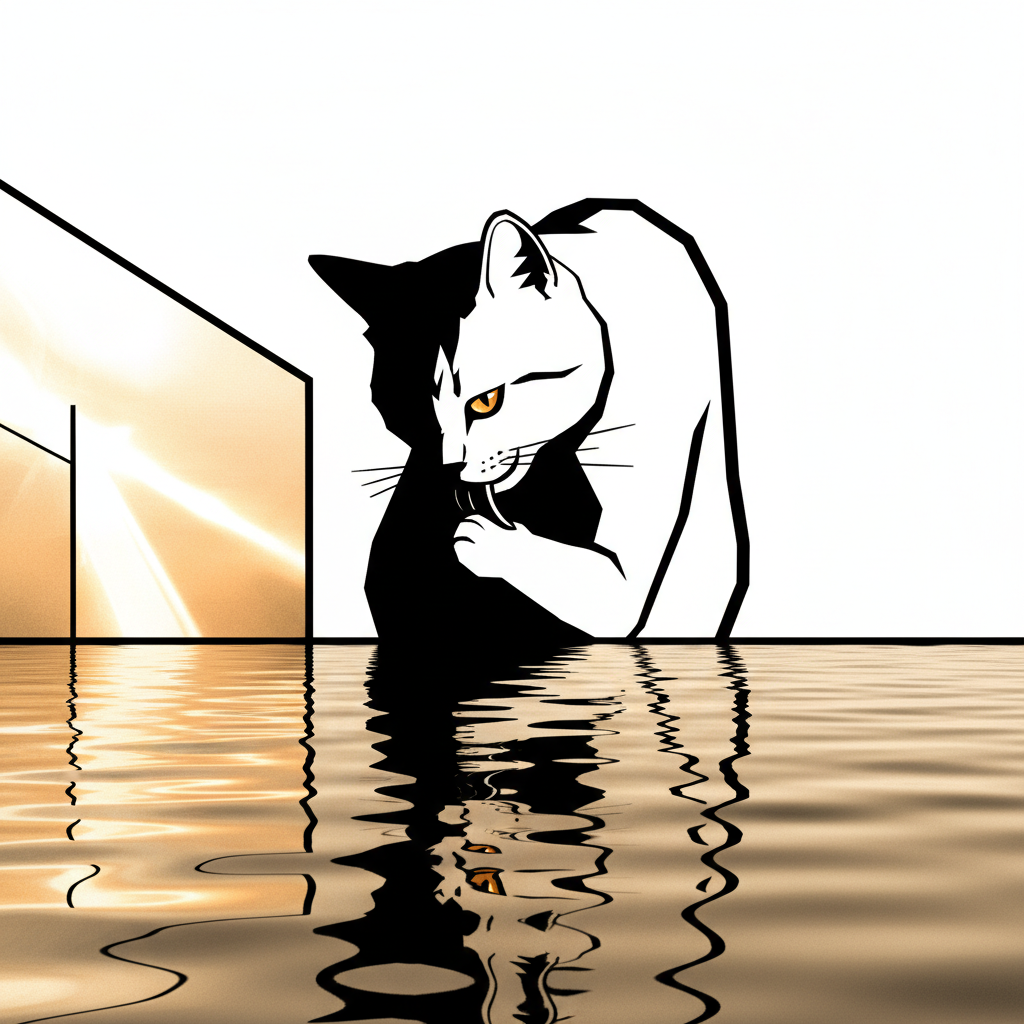
Cats are naturally meticulous groomers and typically don’t require frequent bathing. In fact, over-bathing can be stressful for cats and can disrupt their natural grooming habits. Short-haired cats may only need to be bathed a few times a year, while long-haired cats may benefit from occasional baths to help prevent mats and tangles. Regular brushing is essential for all cats, especially long-haired breeds. This helps to remove loose hair and prevent hairballs. Choose a brush that is designed for your cat’s coat type and be gentle to avoid irritating the skin.
Small Animals (Rabbits, Guinea Pigs, etc.)
Small animals like rabbits and guinea pigs generally don’t require bathing, as they are also capable of keeping themselves clean. Bathing can actually be quite stressful for them and can increase their risk of hypothermia. Regular brushing is important for removing loose hair and preventing mats, especially in long-haired breeds. Use a soft brush that is specifically designed for small animals and be gentle to avoid irritating the skin.
Spot cleaning with a damp cloth can be used to remove any dirt or debris from their fur. It’s important to keep their living environment clean and dry to prevent skin problems. Regularly cleaning their cage or enclosure will go a long way in maintaining their hygiene without the need for frequent bathing.
Choosing the Right Products
The products you use for grooming your pet can have a significant impact on their skin and coat health. It’s important to choose products that are specifically formulated for pets and that are appropriate for their species, breed, and skin type. Avoid products that contain harsh chemicals, fragrances, or dyes, as these can be irritating to the skin.
When choosing a shampoo, look for one that is pH-balanced for pets. Human shampoos are often too acidic for pets and can disrupt the skin’s natural barrier function. Opt for a mild, hypoallergenic shampoo that is free of sulfates and parabens. If your pet has dry skin, consider using a moisturizing shampoo or conditioner that contains ingredients like oatmeal, aloe vera, or coconut oil.
For brushing, choose a brush that is designed for your pet’s coat type. Slicker brushes are good for removing mats and tangles, while bristle brushes are better for smoothing the coat and distributing natural oils. Metal combs can be helpful for removing fleas and ticks. Always be gentle when brushing your pet and avoid pulling or tugging on their fur.
Remember that “natural” doesn’t always mean better. Some natural ingredients can be just as irritating as synthetic ones. Always read the ingredient list carefully and do your research before using any new product on your pet. Consider performing a patch test on a small area of your pet’s skin before applying the product all over.
Beyond Bathing: Alternative Cleaning Methods
If you’re concerned about over-bathing your pet, there are several alternative cleaning methods you can use to keep them fresh and clean. These include:
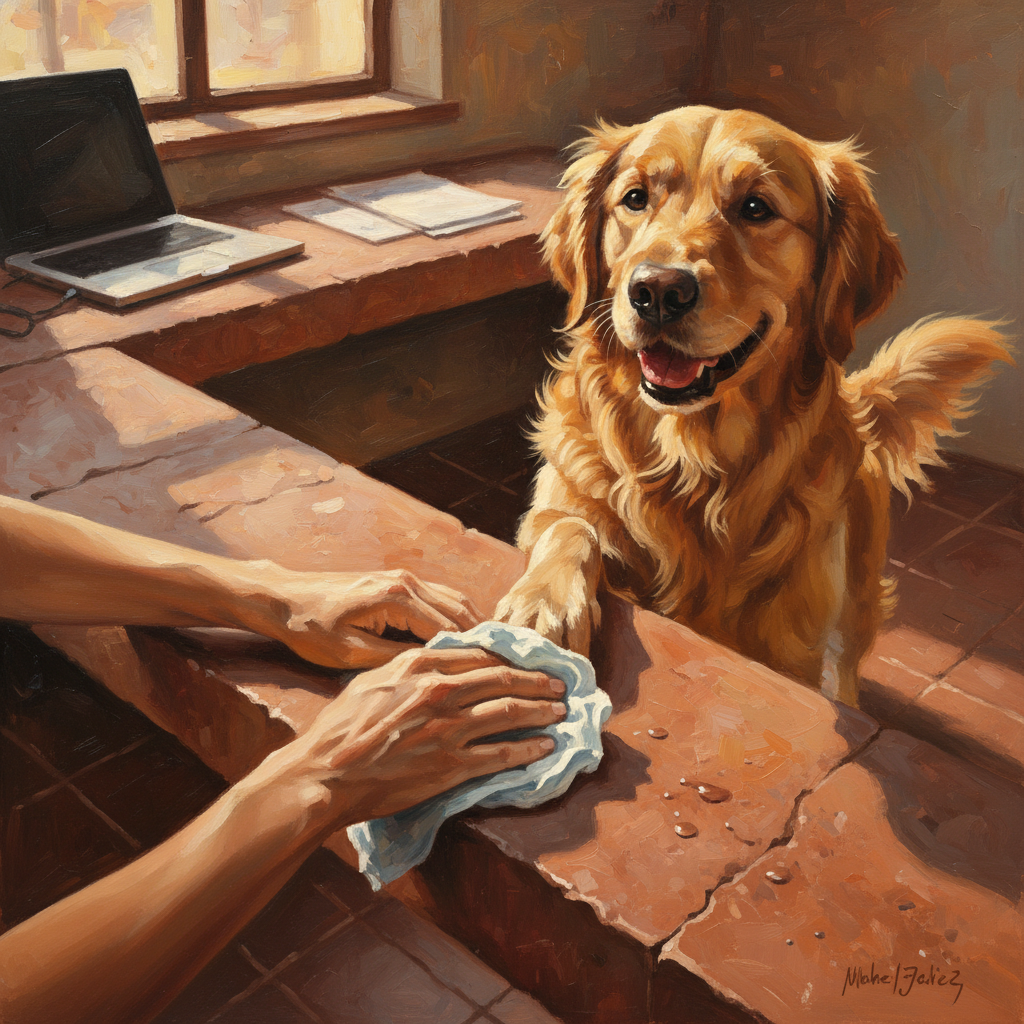
- Spot cleaning: Use a damp cloth or pet wipe to clean up any dirt or debris from your pet’s fur. This is a great way to address minor messes without having to give your pet a full bath.
- Dry shampoo: Dry shampoo is a powder or spray that can be used to absorb excess oil and dirt from your pet’s coat. It’s a good option for pets who don’t like water or who have sensitive skin.
- Grooming wipes: Pet grooming wipes are pre-moistened cloths that can be used to clean your pet’s fur, paws, and ears. They’re convenient for quick cleanups and are available in a variety of formulations.
- Regular brushing: As mentioned earlier, regular brushing is essential for removing loose hair, dirt, and debris from your pet’s coat. It also helps to stimulate blood circulation and distribute natural oils.
These methods can help keep your pet clean without the need for frequent bathing, preserving the integrity of their skin and coat.
The Importance of Professional Guidance
When in doubt, it’s always best to consult with your veterinarian or a professional groomer. They can assess your pet’s individual needs and recommend a grooming routine that is safe and effective. They can also help you to identify any underlying skin problems that may be contributing to excessive dirtiness or odor.
A veterinarian can perform a thorough examination of your pet’s skin and coat and can recommend appropriate treatments for any underlying conditions. They can also provide guidance on choosing the right products for your pet’s skin type. A professional groomer can provide expert advice on brushing techniques, coat trimming, and other grooming procedures. They can also help you to identify any potential problems, such as mats, tangles, or skin infections.
Don’t be afraid to ask questions and seek clarification. Your veterinarian and groomer are valuable resources who can help you to provide the best possible care for your pet.
Finding the Right Balance
Ultimately, the key to maintaining a healthy grooming routine for your pet is to find the right balance. It’s about providing them with the care they need to stay clean and comfortable, without going overboard and potentially harming their skin and coat. It’s about understanding their individual needs and adapting your routine accordingly. It’s about observing their reactions and adjusting your approach based on their comfort and well-being.
Remember that less is often more. Frequent bathing can strip away the skin’s natural oils and disrupt the microbiome, leading to a variety of problems. Regular brushing, spot cleaning, and a healthy diet are often all that’s needed to keep your pet clean and happy.
Consider the long-term implications of your grooming choices. Are you prioritizing short-term cleanliness over long-term health? Are you driven by anxiety or a desire for perfection, or are you truly acting in your pet’s best interest?
By taking a mindful and balanced approach to pet hygiene, we can ensure that our furry companions are not only clean but also healthy, happy, and thriving.

The journey towards responsible pet hygiene is one of continuous learning and adaptation. As we gain a deeper understanding of the skin microbiome, the psychological factors that drive our grooming habits, and the specific needs of our pets, we can make more informed decisions that promote their overall well-being. It’s a commitment to prioritizing their health and happiness above all else, even if it means embracing a little bit of “perfectly imperfect” fur. And in the end, isn’t that what true care is all about?

Hi, my name is Robert Max, I live in the United States and I’m the creator of InTechNews. I started this blog with the goal of sharing reliable and practical information about pet care, helping pet owners provide a healthier and happier life for their animals. I’m passionate about animal well-being and believe that good information makes all the difference in responsible pet ownership.