
The Unseen Toll: When Cleanliness Impacts Your Pet’s Well-being
We often think of hygiene for our pets in terms of preventing fleas, ticks, and that general “doggy” smell. But what if the impact of cleanliness went far deeper, subtly shaping their mood, behavior, and overall zest for life? It’s easy to overlook the profound connection between a clean, comfortable pet and a happy, well-adjusted one. We’ll delve into the surprisingly intricate relationship between hygiene and your pet’s psychological and emotional state.
Think about it: have you ever felt sluggish, irritable, or simply “off” after a long day without a shower or a good night’s sleep? Our pets, despite their furry exteriors, are equally susceptible to the subtle yet powerful effects of their environment and physical state. Ignoring their hygiene needs can lead to a cascade of negative consequences that go far beyond the superficial.
The Psychological Impact of Poor Hygiene
Imagine constantly feeling itchy, uncomfortable, and aware of your own unpleasant odor. This is the reality for many pets suffering from poor hygiene. The psychological toll can be significant, leading to increased stress, anxiety, and even depression. A dog constantly scratching at fleas or a cat with matted fur is not only physically uncomfortable but also experiencing a significant level of psychological distress.
This distress can manifest in various ways. Some pets may become withdrawn and reclusive, avoiding interaction with their owners and other animals. Others may exhibit increased aggression or irritability, snapping or hissing at perceived threats. Still others may develop obsessive behaviors, such as excessive grooming or licking, in an attempt to alleviate their discomfort.
Consider the case of Bella, a Persian cat whose long, luxurious fur was often neglected. Her owner, a busy professional, simply didn’t have the time to dedicate to daily grooming. Over time, Bella’s fur became increasingly matted and tangled. She began to withdraw from her owner, spending most of her time hiding under the bed. She stopped playing and lost her appetite. It wasn’t until a veterinarian identified the severity of her discomfort and recommended professional grooming that Bella began to regain her cheerful disposition. The simple act of removing the painful mats from her fur dramatically improved her mood and behavior, highlighting the direct link between physical comfort and psychological well-being.
The Behavioral Consequences of Neglecting Hygiene
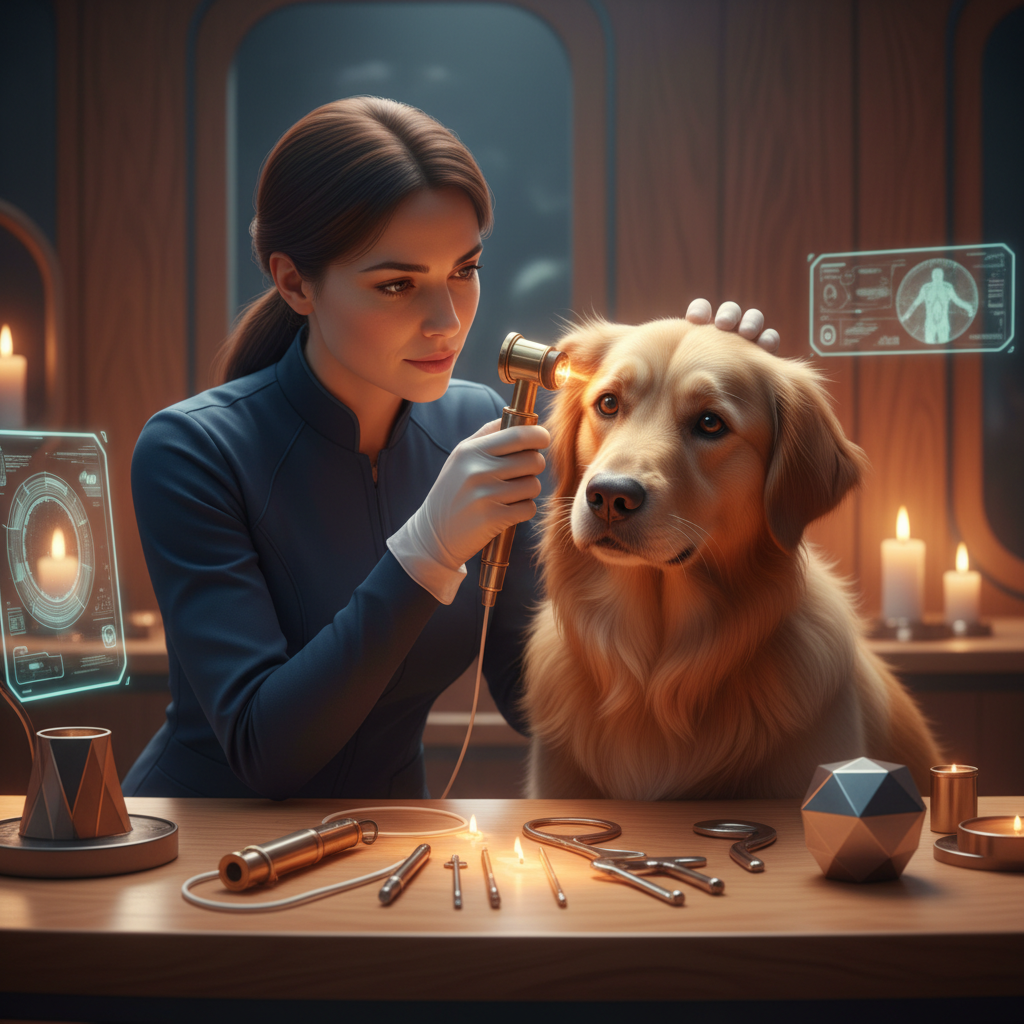
The psychological distress caused by poor hygiene can also lead to a range of behavioral problems. A dog with a painful ear infection, for example, may become reluctant to be touched around the head, potentially leading to aggression during grooming or veterinary examinations. A cat with dental disease may avoid eating hard food, leading to nutritional deficiencies and further health problems.
Furthermore, poor hygiene can exacerbate existing behavioral issues. A dog already prone to anxiety may become even more anxious and reactive when plagued by fleas or skin irritations. A cat struggling with litter box issues may become even more averse to using the box if it is not kept clean and fresh. The cumulative effect of these issues can create a vicious cycle, making it increasingly difficult to manage your pet’s behavior.
Take the example of Max, a energetic Jack Russell Terrier who suddenly started displaying signs of aggression towards other dogs. His owner was perplexed, as Max had always been friendly and playful. After a thorough examination, a veterinarian discovered that Max was suffering from a severe skin allergy, likely caused by infrequent bathing and exposure to allergens in the environment. The constant itching and discomfort were making him irritable and reactive, leading to his aggressive behavior. With proper treatment and a consistent grooming routine, Max’s skin condition improved, and his friendly demeanor returned.
Common Hygiene Issues That Impact Mood
Understanding the specific hygiene issues that can affect your pet’s mood and behavior is crucial for proactive care. Here are some of the most common culprits:
Skin and Coat Problems
Skin problems are a leading cause of discomfort and behavioral changes in pets. Allergies, parasites, infections, and poor grooming can all contribute to skin irritation, itching, and inflammation. These conditions can be incredibly distracting and uncomfortable, leading to anxiety, aggression, and obsessive grooming behaviors. Matted fur, in particular, can be extremely painful, pulling on the skin and restricting movement.
Regular bathing with appropriate shampoos, thorough brushing, and prompt treatment of any skin conditions are essential for maintaining your pet’s skin and coat health. Pay close attention to any signs of itching, redness, hair loss, or changes in skin texture. Consult with your veterinarian if you suspect your pet has a skin problem.
Dental Disease
Dental disease is another common yet often overlooked issue that can significantly impact your pet’s well-being. The accumulation of plaque and tartar can lead to gum inflammation, pain, and tooth loss. This can make it difficult for your pet to eat, leading to nutritional deficiencies and decreased energy levels. The chronic pain associated with dental disease can also cause irritability, anxiety, and changes in behavior.
Regular dental cleanings, both at home and by a veterinarian, are crucial for preventing dental disease. Brushing your pet’s teeth daily, providing dental chews, and scheduling professional dental cleanings can help keep their teeth and gums healthy. Look for signs of dental disease, such as bad breath, excessive drooling, difficulty eating, or pawing at the mouth.
Ear Infections
Ear infections are particularly common in dogs with floppy ears, as the ear canal is prone to trapping moisture and debris. These infections can be incredibly painful and irritating, leading to head shaking, scratching, and even aggression. The discomfort associated with ear infections can also cause anxiety and changes in behavior.
Regular ear cleaning with a veterinarian-approved solution can help prevent ear infections. Pay close attention to any signs of ear problems, such as excessive scratching, head shaking, redness, discharge, or a foul odor. Consult with your veterinarian if you suspect your pet has an ear infection.
Anal Gland Issues
While perhaps a less glamorous topic, anal gland issues can significantly affect your pet’s comfort and behavior. The anal glands are two small sacs located near the anus that secrete a foul-smelling fluid used for marking territory. These glands can become impacted or infected, leading to discomfort, scooting, licking, and even pain. The discomfort associated with anal gland issues can cause anxiety and changes in behavior.
While some pets are able to empty their anal glands naturally, others may require assistance from a veterinarian or groomer. If you notice your pet scooting, licking their anal area excessively, or displaying signs of discomfort, consult with your veterinarian to rule out anal gland issues.

Establishing a Hygiene Routine for a Happier Pet
Creating a consistent and positive hygiene routine is key to ensuring your pet’s physical and emotional well-being. Here are some tips for establishing a routine that works for both you and your furry friend:
Start Early and Make it Positive
The earlier you introduce your pet to grooming and hygiene practices, the easier it will be to establish a positive routine. Start with short, gentle sessions and gradually increase the duration as your pet becomes more comfortable. Use positive reinforcement, such as treats, praise, and toys, to create positive associations with grooming.
Avoid forcing your pet into uncomfortable situations. If they are resistant to a particular grooming practice, such as nail trimming, start with small steps and gradually work your way up. Consider enlisting the help of a professional groomer or veterinarian if you are struggling to manage your pet’s hygiene needs.
Tailor the Routine to Your Pet’s Needs
Every pet is different, so it’s important to tailor your hygiene routine to their individual needs. Consider their breed, coat type, activity level, and any underlying health conditions. A long-haired dog, for example, will require more frequent brushing than a short-haired dog. A pet with allergies may require special shampoos or dietary modifications.
Consult with your veterinarian or a professional groomer to determine the best hygiene practices for your pet. They can provide valuable advice on grooming techniques, product recommendations, and strategies for managing any specific hygiene challenges.
Be Consistent and Patient
Consistency is key to establishing a successful hygiene routine. Aim to groom your pet on a regular basis, even if it’s just for a few minutes each day. This will help them become accustomed to the routine and prevent the buildup of mats, dirt, and debris. Be patient and understanding, especially if your pet is resistant to grooming. It may take time for them to adjust to the routine, but with patience and consistency, you can create a positive and enjoyable experience for both of you.
Remember that hygiene is not just about aesthetics; it’s about your pet’s overall health and well-being. By prioritizing their hygiene needs, you can help them live a happier, healthier, and more comfortable life.
Choosing the Right Products
Selecting the appropriate grooming products is vital. Human shampoos and soaps can be too harsh for a pet’s skin, leading to dryness and irritation. Always use products specifically formulated for pets. Consider your pet’s coat type and any specific skin conditions when choosing shampoos. For instance, hypoallergenic shampoos are ideal for pets with sensitive skin. Similarly, opt for pet-safe toothpaste and toothbrushes for dental care. Always read labels carefully and consult with your veterinarian if you have any concerns.

Beyond the Basics: Recognizing Subtle Signs of Hygiene-Related Distress
While obvious signs like excessive scratching or visible skin irritation are clear indicators of hygiene problems, pets often display more subtle cues that can easily be overlooked. Learning to recognize these less obvious signs is crucial for early intervention and preventing more serious issues.
Changes in Appetite
A sudden decrease or increase in appetite can be a sign of underlying discomfort. Dental pain, for example, can make it difficult for a pet to chew, leading to decreased food intake. Conversely, a pet experiencing anxiety or stress due to skin irritation may overeat as a coping mechanism. Pay close attention to your pet’s eating habits and consult with your veterinarian if you notice any significant changes.
Sleep Disturbances
Just like humans, pets need adequate rest to maintain their physical and mental health. If your pet is restless, constantly shifting positions, or waking up frequently during the night, it could be a sign of discomfort. Skin irritation, pain, or anxiety can all disrupt sleep patterns. Consider whether hygiene-related issues could be contributing to their sleep disturbances.
Increased Vocalization
While some pets are naturally more vocal than others, a sudden increase in vocalization, such as whining, howling, or meowing, can be a sign of distress. Pain, anxiety, or boredom can all trigger increased vocalization. Consider whether hygiene issues, such as an ear infection or anal gland discomfort, could be contributing to their vocal outbursts.
Hiding or Withdrawal
Pets who are experiencing discomfort or anxiety may withdraw from social interaction and seek out secluded places to hide. This behavior is often a sign that they are feeling unwell or stressed. Consider whether hygiene problems, such as a skin allergy or dental pain, could be causing them to feel withdrawn and reclusive.
Changes in Playfulness
A noticeable decrease in playfulness can be a sign that your pet is not feeling their best. Pain, discomfort, or anxiety can all diminish their enthusiasm for play. If your pet is usually energetic and playful but suddenly seems disinterested, consider whether hygiene issues could be contributing to their lack of zest.
By being attentive to these subtle signs, you can identify potential hygiene-related problems early on and take steps to address them before they escalate. Regular observation of your pet’s behavior and physical condition is essential for proactive care.
The Long-Term Benefits of Prioritizing Pet Hygiene
Investing in your pet’s hygiene is an investment in their overall health, happiness, and longevity. The benefits extend far beyond simply preventing fleas and bad smells. A consistent and thoughtful hygiene routine can significantly improve their quality of life in numerous ways.
Enhanced Bond with Your Pet
Grooming can be a wonderful opportunity to bond with your pet. The gentle touch and focused attention can create a sense of trust and connection. Regular grooming sessions can also help you detect any early signs of health problems, such as lumps, bumps, or skin changes. This allows for early intervention and can potentially save your pet from more serious health issues down the line.
Improved Physical Health
Proper hygiene practices can prevent a wide range of health problems, from skin infections to dental disease. Regular brushing helps remove dead hair and debris, preventing mats and skin irritations. Dental care prevents the buildup of plaque and tartar, reducing the risk of gum disease and tooth loss. Ear cleaning helps prevent ear infections. By prioritizing your pet’s hygiene, you can significantly reduce their risk of developing these common ailments.
Increased Happiness and Well-being
A clean, comfortable pet is a happy pet. When your pet feels good physically, they are more likely to be playful, energetic, and affectionate. Proper hygiene can alleviate discomfort, reduce stress, and improve their overall mood. A well-groomed pet is also more likely to be confident and social, enjoying interactions with other animals and people.
Reduced Veterinary Costs
While it may seem like a small expense, neglecting your pet’s hygiene can lead to significant veterinary costs in the long run. Skin infections, dental disease, and ear infections can all require costly treatments. By proactively addressing your pet’s hygiene needs, you can prevent these problems and save money on veterinary bills.
A More Pleasant Home Environment
Let’s be honest, a clean pet contributes to a cleaner, more pleasant home environment. Regular grooming reduces shedding, minimizing the amount of pet hair circulating in your home. Proper dental care eliminates bad breath. By keeping your pet clean and well-groomed, you can create a more enjoyable living space for both you and your family.
In conclusion, prioritizing your pet’s hygiene is not just about keeping them clean; it’s about investing in their overall well-being. By establishing a consistent and thoughtful hygiene routine, you can enhance their bond, improve their physical health, increase their happiness, reduce veterinary costs, and create a more pleasant home environment. It’s a commitment that will pay off in countless ways, enriching the lives of both you and your beloved companion.

Hi, my name is Robert Max, I live in the United States and I’m the creator of InTechNews. I started this blog with the goal of sharing reliable and practical information about pet care, helping pet owners provide a healthier and happier life for their animals. I’m passionate about animal well-being and believe that good information makes all the difference in responsible pet ownership.