
The Ripple Effect of a New Home: Understanding Behavioral Shifts in Pets
When a beloved pet transitions from one home to another, it’s more than just a change of scenery. It’s a profound shift that reverberates through every aspect of their being, influencing their behavior in ways that are both subtle and dramatic. We often focus on the human side of adoption or rehoming – the joy of a new family, the relief of finding a safe haven – but it’s crucial to understand the complex emotional landscape our furry, scaled, or feathered companions navigate during such transitions. Have you ever considered how deeply intertwined a pet’s behavior is with their environment and the people within it?
This article delves into the fascinating and often challenging world of pet behavior following a change in ownership. We’ll explore the underlying reasons for these behavioral shifts, examining the psychological and environmental factors at play. More importantly, we’ll provide practical guidance and actionable strategies for owners – both old and new – to help pets adapt, thrive, and maintain their well-being throughout this transformative process.
The Foundation of Behavior: Environment and Attachment
A pet’s behavior isn’t solely determined by genetics or inherent personality traits. It’s a complex interplay of nature and nurture, shaped by their environment, their interactions with humans, and their learned experiences. Think of it like a carefully constructed house; the foundation is their inherent temperament, but the walls, roof, and interior design are built by their surroundings and relationships.
Consider a dog raised in a chaotic, unpredictable household. They might develop anxiety-related behaviors like excessive barking, chewing, or reactivity towards strangers. Conversely, a cat nurtured in a calm and predictable environment is more likely to be confident, relaxed, and socially adept. These early experiences create neural pathways that influence how they perceive the world and react to stimuli.
Attachment, the emotional bond between a pet and their owner, is another critical factor. Pets, particularly dogs and cats, form strong attachments to their caregivers, viewing them as sources of safety, security, and affection. When this bond is disrupted, it can trigger a range of behavioral changes, from grief and withdrawal to anxiety and aggression. Imagine losing a loved one – the sense of disorientation, sadness, and uncertainty is not dissimilar to what a pet experiences when separated from their familiar owner.

Decoding the Behavioral Changes: A Spectrum of Reactions
The specific behavioral changes observed after a change in ownership can vary widely depending on the pet’s species, breed, age, personality, and past experiences. However, some common patterns emerge.
Anxiety and Fear: The Root of Many Issues
Anxiety is perhaps the most prevalent emotion underlying behavioral changes in rehomed pets. This anxiety can manifest in numerous ways:
* **Destructive Behavior:** Chewing furniture, scratching doors, or digging can be outlets for pent-up anxiety and frustration. A previously well-behaved dog might suddenly start destroying household items as a way to cope with the stress of their new environment.
* **Excessive Vocalization:** Barking, meowing, or howling can be a sign of separation anxiety or a desperate attempt to regain attention. A cat who was previously quiet might become excessively vocal, especially when left alone.
* **Changes in Appetite:** Some pets may lose their appetite due to stress, while others may overeat as a form of comfort. This fluctuation can lead to weight loss or gain, further impacting their overall health.
* **Elimination Issues:** Accidents inside the house, despite being previously house-trained, are a common sign of anxiety or stress. This isn’t simply a matter of forgetting their training; it’s often a physiological response to fear and uncertainty.
* **Increased Vigilance:** A heightened state of alertness, constantly scanning the environment for potential threats, is another indication of anxiety. They might be easily startled by noises or movements that wouldn’t have bothered them before.
Withdrawal and Depression: The Silent Suffering
While some pets exhibit overt signs of anxiety, others become withdrawn and depressed. This can be a more subtle but equally concerning reaction.
* **Lethargy and Decreased Activity:** A noticeable decrease in energy levels and a reluctance to engage in activities they once enjoyed are telltale signs of depression. A playful dog might suddenly become uninterested in walks or games.
* **Loss of Interest in Play:** A lack of enthusiasm for toys or interactions with other pets or humans is another indicator. A cat who used to love chasing laser pointers might suddenly lose all interest.
* **Changes in Sleep Patterns:** Sleeping more than usual or, conversely, having difficulty sleeping can be a sign of emotional distress. Disrupted sleep patterns can further exacerbate anxiety and depression.
* **Social Isolation:** Avoiding interaction with their new owners or other members of the household is a common behavior in depressed pets. They might hide under furniture or seek out secluded areas to avoid contact.
Aggression and Reactivity: A Defense Mechanism
In some cases, fear and anxiety can manifest as aggression, particularly if the pet feels threatened or cornered.
* **Fear Aggression:** Biting, growling, or snapping when approached or handled, especially by strangers, is a common response to feeling vulnerable.
* **Territorial Aggression:** Protecting their new space or possessions aggressively can be a way of establishing control in an unfamiliar environment.
* **Redirected Aggression:** If a pet is aroused or frustrated by something they can’t reach (e.g., another animal outside the window), they might redirect their aggression towards the nearest person or object.
It’s important to remember that aggression is often a symptom of underlying fear or anxiety, not a reflection of the pet’s inherent nature. Addressing the root cause of the aggression is crucial for resolving the behavior.
The Transition Team: Roles and Responsibilities
Successfully navigating a pet’s transition to a new home requires a collaborative effort from both the previous owner and the new owner. Each party plays a crucial role in ensuring the pet’s well-being.
The Previous Owner: Setting the Stage for Success
The previous owner has a responsibility to provide as much information as possible about the pet’s history, personality, and behavioral quirks. This includes:
* **Detailed History:** Information about the pet’s breed, age, health conditions, vaccinations, and any previous training or behavioral issues.
* **Personality Profile:** A description of the pet’s temperament, likes, dislikes, fears, and any specific triggers that might elicit certain behaviors.
* **Habits and Routines:** Information about the pet’s feeding schedule, exercise routine, sleeping habits, and any preferred toys or activities.
* **Medical Records:** Providing complete and accurate medical records to the new owner and their veterinarian.
* **Gradual Transition (if possible):** If circumstances allow, a gradual transition can help ease the pet’s anxiety. This might involve several visits to the new home before the official move, allowing the pet to become familiar with the environment and the new owners.
* **Favorite Items:** Sending the pet to their new home with familiar items like their favorite bed, blanket, toys, or food bowl can provide a sense of comfort and security. These items carry familiar scents that can help reduce anxiety.
The New Owner: Building Trust and Security
The new owner has the crucial task of creating a safe, predictable, and loving environment for the pet. This involves:
* **Patience and Understanding:** Recognizing that the pet is likely experiencing stress and anxiety, and being patient and understanding during the adjustment period.
* **Establishing a Routine:** Creating a consistent daily routine for feeding, exercise, and playtime. Predictability can help reduce anxiety and provide a sense of security.
* **Positive Reinforcement:** Using positive reinforcement techniques, such as treats, praise, and affection, to reward desired behaviors and build trust.
* **Creating a Safe Space:** Providing the pet with a designated “safe space” where they can retreat when feeling overwhelmed. This might be a crate, a bed, or a quiet corner of the house.
* **Avoiding Overwhelming the Pet:** Initially, avoid overwhelming the pet with too much attention or interaction. Allow them to adjust at their own pace and initiate contact when they feel comfortable.
* **Professional Help:** Consulting with a veterinarian or a certified professional dog trainer or animal behaviorist if behavioral problems persist or worsen.

Practical Strategies for Managing Behavioral Changes
Beyond the general principles of patience and understanding, there are several specific strategies that can help manage common behavioral changes in rehomed pets.
Addressing Anxiety: Calming the Nervous System
* **Desensitization and Counter-Conditioning:** Gradually exposing the pet to anxiety-provoking stimuli in a controlled environment, pairing the stimuli with positive experiences (e.g., treats, praise). This can help change the pet’s emotional response to the stimuli.
* **Environmental Enrichment:** Providing the pet with plenty of mental and physical stimulation to reduce boredom and anxiety. This might include puzzle toys, interactive games, or regular walks.
* **Calming Aids:** Using calming aids such as pheromone diffusers (e.g., Adaptil for dogs, Feliway for cats), calming supplements, or anxiety wraps can help reduce anxiety levels. Consult with your veterinarian before using any calming aids.
* **Classical Music Therapy:** Playing calming classical music can help reduce anxiety and promote relaxation.
Combating Depression: Re-Igniting the Spark
* **Increased Social Interaction:** Encouraging interaction with the pet through gentle play, grooming, or simply spending time in their presence.
* **Fun Activities:** Engaging the pet in activities they used to enjoy, even if they initially seem reluctant. Persistence and positive reinforcement can help reignite their interest.
* **New Experiences:** Introducing the pet to new and stimulating experiences, such as exploring a new park or trying a new type of toy.
* **Veterinary Consultation:** Ruling out any underlying medical conditions that might be contributing to the depression.
Managing Aggression: Identifying and Addressing the Root Cause
* **Identifying Triggers:** Carefully observing the pet’s behavior to identify the specific triggers that elicit aggression.
* **Avoiding Triggers:** Initially, avoiding the identified triggers to prevent further aggressive episodes.
* **Professional Guidance:** Seeking guidance from a certified professional dog trainer or animal behaviorist who specializes in aggression management.
* **Medication (if necessary):** In some cases, medication may be necessary to help manage underlying anxiety or aggression. This should only be prescribed by a veterinarian.
Case Studies: Real-World Examples of Successful Transitions
To illustrate these principles in action, let’s examine a few case studies:
* **Case Study 1: Luna, the Anxious Labrador:** Luna, a five-year-old Labrador Retriever, was rehomed after her previous owner passed away. She exhibited severe separation anxiety, destroying furniture and barking excessively when left alone. The new owners implemented a gradual desensitization program, starting with short absences and gradually increasing the duration. They also provided Luna with puzzle toys and a calming pheromone diffuser. Over time, Luna’s anxiety decreased significantly, and she became a happy and well-adjusted member of the family.
* **Case Study 2: Oliver, the Withdrawn Cat:** Oliver, a three-year-old Siamese cat, became withdrawn and depressed after being rehomed due to his previous owner’s allergies. He stopped eating, sleeping, and interacting with his new owners. The new owners patiently coaxed Oliver out of his shell by offering him his favorite treats, engaging him in gentle play, and creating a cozy and secure environment. They also consulted with a veterinarian to rule out any underlying medical conditions. Eventually, Oliver regained his appetite, started playing again, and formed a strong bond with his new owners.
* **Case Study 3: Rocky, the Reactive Terrier:** Rocky, a two-year-old Jack Russell Terrier, became aggressive towards strangers after being rehomed from a neglectful environment. He would bark, lunge, and even bite when approached by unfamiliar people. The new owners sought guidance from a certified professional dog trainer who specialized in aggression management. The trainer helped them identify Rocky’s triggers and develop a desensitization and counter-conditioning program. Over time, Rocky’s reactivity decreased, and he became more comfortable around strangers.
These case studies demonstrate that with patience, understanding, and the right strategies, even pets with significant behavioral challenges can successfully adapt to a new home.

The Importance of Professional Guidance
While many behavioral changes can be managed with patience and consistent effort, some cases require professional intervention. A veterinarian can rule out any underlying medical conditions that might be contributing to the behavioral changes and can recommend appropriate medications if necessary. A certified professional dog trainer or animal behaviorist can provide expert guidance on developing and implementing behavior modification programs.
Choosing the right professional is crucial. Look for trainers or behaviorists who use positive reinforcement methods and have experience working with rehomed pets. Avoid trainers who advocate for punishment-based techniques, as these can exacerbate anxiety and aggression.
Long-Term Commitment: A Lifetime of Support
Adopting or rehoming a pet is a lifelong commitment. It’s not just about providing food, shelter, and exercise; it’s about providing emotional support and understanding throughout their life. Be prepared to adapt your approach as the pet’s needs change over time. Continued patience, positive reinforcement, and a loving environment are essential for maintaining their well-being and ensuring a happy and fulfilling life together.
Remember that every pet is an individual, and there is no one-size-fits-all solution to behavioral challenges. What works for one pet might not work for another. Be open to experimenting with different strategies and seeking professional guidance when needed.
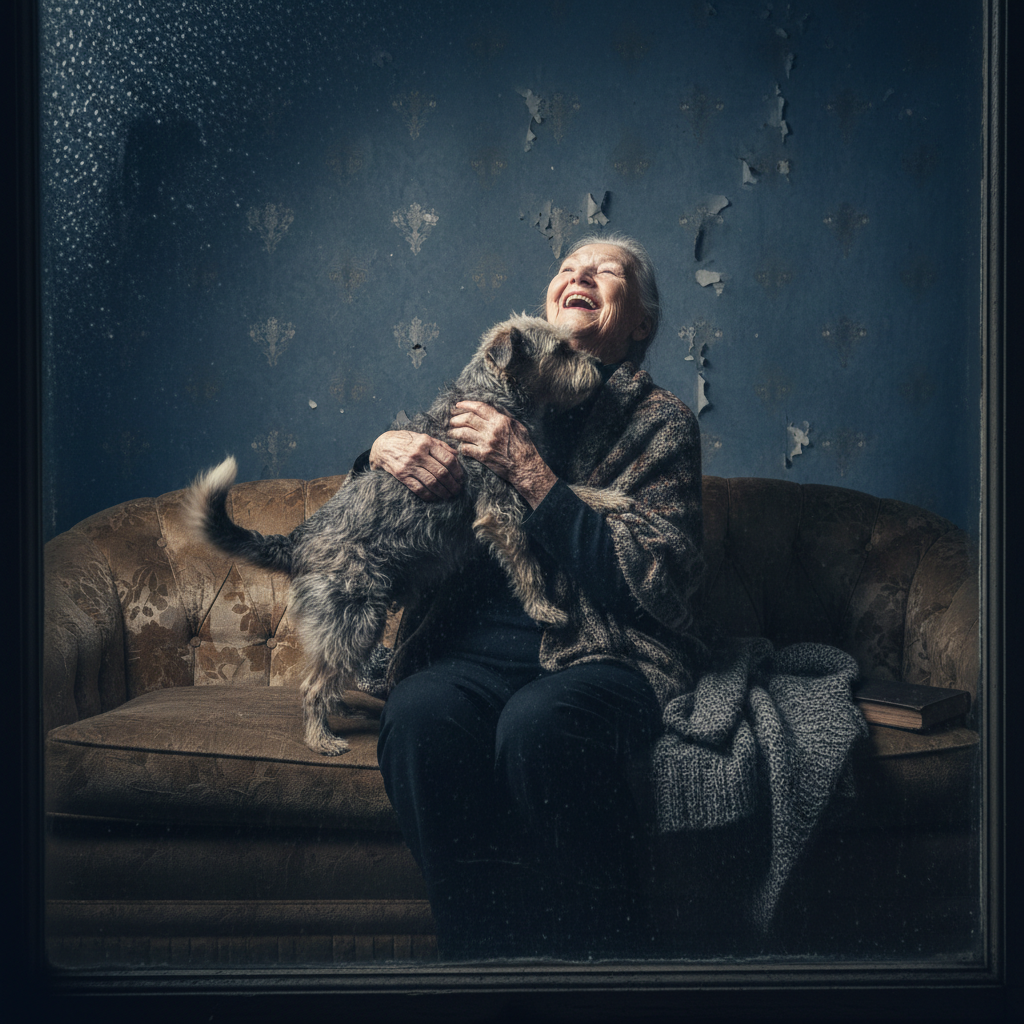
Ultimately, the success of a pet’s transition to a new home depends on the willingness of both the previous and new owners to prioritize the pet’s well-being. By understanding the emotional and psychological challenges involved, providing a safe and supportive environment, and seeking professional guidance when needed, we can help these vulnerable animals navigate this transition with grace and resilience. Are we not morally obligated to provide the best possible care for these creatures who offer us unconditional love and companionship? The journey may be challenging, but the rewards of a successful transition are immeasurable – a happy, healthy, and well-adjusted pet who enriches our lives in countless ways. The dedication and commitment to helping them adjust is a testament to the human-animal bond, a bond built on mutual respect, trust, and unwavering affection.

Hi, my name is Robert Max, I live in the United States and I’m the creator of InTechNews. I started this blog with the goal of sharing reliable and practical information about pet care, helping pet owners provide a healthier and happier life for their animals. I’m passionate about animal well-being and believe that good information makes all the difference in responsible pet ownership.