
The Illusion of the Solo Scrub: Why DIY Pet Baths Often Fall Short
We’ve all been there: envisioning a serene, spa-like experience for our furry friends in the comfort of our own bathrooms. Armed with the best shampoos, fluffy towels, and perhaps even a calming playlist, we embark on the noble quest of pet hygiene. But all too often, the reality falls far short of the dream. Instead of a gleaming, fragrant companion, we’re left with a damp, disgruntled animal that still seems to carry a lingering aroma of… well, “dog.”
Why is this? Why does a seemingly simple task like bathing a pet so often result in less-than-stellar results? The answer lies in a multitude of factors, ranging from the unique characteristics of animal fur to the subtle nuances of proper bathing techniques. Simply splashing water and soap on your beloved companion often isn’t enough to truly achieve optimal cleanliness and hygiene. It requires a deeper understanding of pet anatomy, coat types, and the specific challenges that come with keeping them looking and feeling their best.
Beyond the Surface: Understanding the Challenges of Pet Hygiene
The first, and perhaps most crucial, point to understand is that a pet’s skin and fur are fundamentally different from our own. Their skin has a different pH balance, and their fur is designed to repel water and dirt, not necessarily to readily absorb cleaning agents. This inherent resistance makes it more difficult to penetrate the layers of fur and reach the skin, where many of the underlying issues reside. Consider, for instance, a thick-coated breed like a Siberian Husky. Their dense double coat is designed to withstand harsh winter conditions, but it also makes it incredibly difficult to thoroughly wet and cleanse the skin beneath.
Furthermore, pets are often masters of hiding dirt and grime. They roll in the grass, dig in the mud, and explore all sorts of unsavory corners that we might never even consider. This accumulated debris can become deeply embedded in their fur, creating a breeding ground for bacteria and contributing to unpleasant odors. A superficial bath might remove some of the surface dirt, but it often fails to address the deeper, more problematic issues.
And then there’s the issue of technique. Are you using the right shampoo for your pet’s coat type? Are you diluting it properly? Are you rinsing thoroughly enough to remove all traces of soap residue? These seemingly minor details can have a significant impact on the overall effectiveness of the bath. Inadequate rinsing, for example, can lead to skin irritation and dryness, exacerbating existing problems and creating new ones. Moreover, the drying process is just as important. Leaving your pet’s fur damp can create a warm, moist environment that promotes the growth of bacteria and fungi, negating the benefits of the bath altogether.
The Unseen Foes: Microscopic Matters and Hidden Irritants
While visible dirt and grime are obvious indicators of a need for bathing, many of the most significant hygiene challenges are invisible to the naked eye. Microscopic organisms, such as bacteria, yeast, and fungi, can thrive on a pet’s skin, contributing to a range of issues, from mild skin irritation to more serious infections. These microorganisms are often opportunistic, taking advantage of weakened immune systems or compromised skin barriers to proliferate and cause problems.
Allergens are another common culprit. Pets can be allergic to a wide variety of substances, including pollen, dust mites, and even certain ingredients in their food. These allergens can trigger inflammatory responses in the skin, leading to itching, scratching, and secondary infections. Regular bathing can help to remove allergens from the fur, providing some relief from these symptoms. However, it’s crucial to use a hypoallergenic shampoo that won’t further irritate the skin.
Parasites, such as fleas and ticks, are also a major concern. These external parasites can cause intense itching and discomfort, and they can also transmit diseases. While bathing alone won’t eliminate a severe flea or tick infestation, it can help to remove some of the parasites and provide temporary relief. It’s important to use a shampoo that is specifically formulated to kill fleas and ticks, and to follow up with other preventative measures, such as topical treatments or oral medications.

The Limitations of DIY: Why Professional Grooming Matters
While a solo bath at home can be a convenient and cost-effective way to keep your pet clean, it’s important to recognize its limitations. Professional groomers possess the knowledge, skills, and tools to address a wider range of hygiene challenges and to achieve a more thorough and lasting clean. They have access to specialized shampoos and conditioners that are formulated to target specific coat types and skin conditions. They also have the equipment necessary to properly dry and groom the fur, preventing matting and tangling.
Moreover, professional groomers are trained to identify potential health problems that might be missed by the untrained eye. They can spot early signs of skin infections, parasites, or other medical conditions, allowing for prompt treatment and preventing more serious complications. In essence, a professional grooming session is not just about aesthetics; it’s about promoting your pet’s overall health and well-being.
Consider the case of a matted dog. Matted fur can be incredibly painful and uncomfortable for the animal, restricting movement and trapping dirt and moisture against the skin. Untangling mats can be a time-consuming and delicate process, requiring specialized tools and techniques. A professional groomer can safely and effectively remove mats, relieving the animal’s discomfort and preventing further complications. Attempting to remove mats yourself can be risky, potentially causing skin irritation or even injury.
Beyond the Bath: A Holistic Approach to Pet Hygiene
Ultimately, effective pet hygiene is not just about occasional baths; it’s about adopting a holistic approach that encompasses diet, exercise, and preventative care. A balanced diet is essential for maintaining healthy skin and fur. Pets that are deficient in certain nutrients may be more prone to skin problems and infections. Regular exercise helps to stimulate circulation and promote the shedding of dead fur, keeping the coat healthy and vibrant.
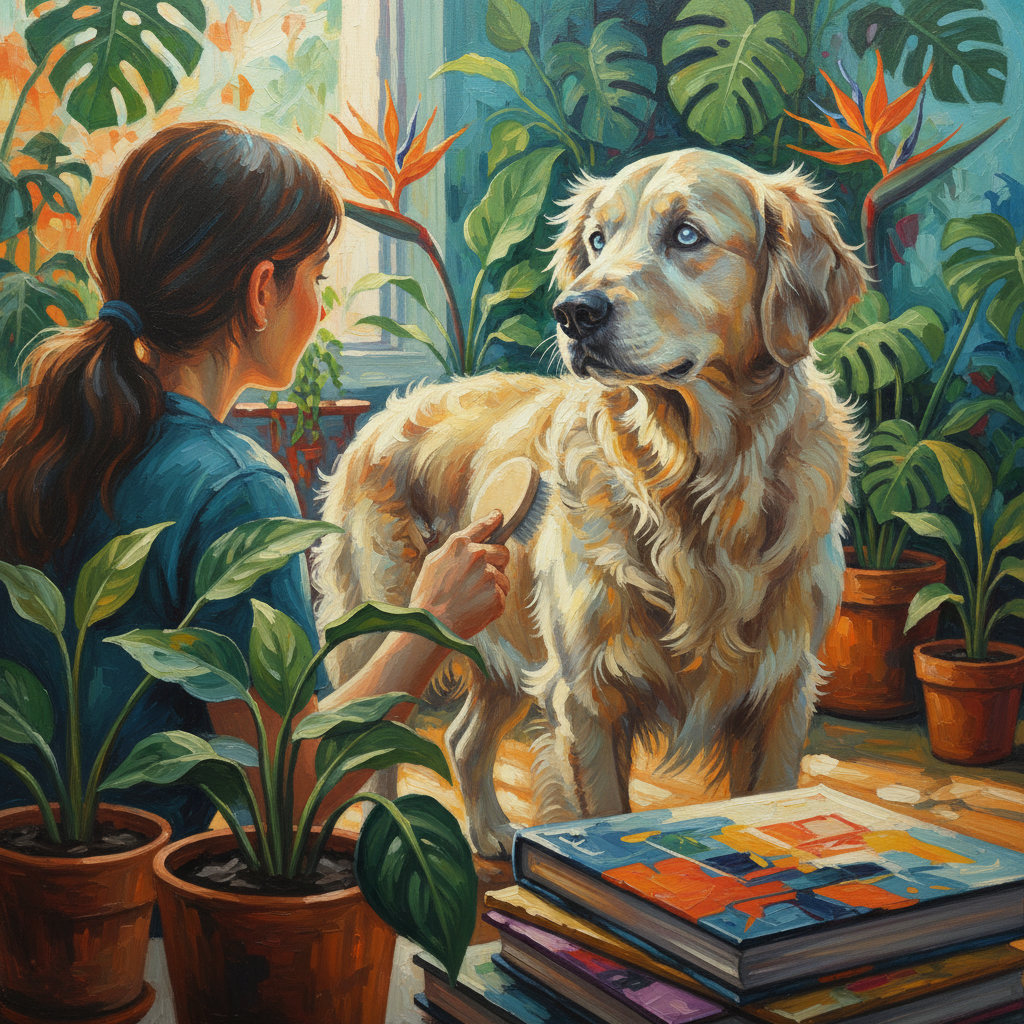
Regular brushing is also crucial. Brushing helps to remove loose fur, dirt, and debris, preventing matting and tangling. It also stimulates the production of natural oils, which help to keep the coat shiny and healthy. The frequency of brushing will depend on the pet’s coat type, but most pets benefit from daily or at least weekly brushing.
Furthermore, it’s important to consult with your veterinarian about appropriate preventative care measures, such as flea and tick control. These parasites can pose a significant threat to your pet’s health and well-being, and preventative treatments are often the most effective way to protect them. Your veterinarian can also advise you on the best shampoo and grooming products for your pet’s specific needs.
The Importance of Professional Check-ups
Just like humans, regular check-ups with a professional are incredibly important. Veterinarians are trained to spot the early signs of underlying health conditions that might be contributing to hygiene problems. Skin problems, for example, can sometimes be a symptom of allergies, hormonal imbalances, or other systemic diseases. By identifying and addressing these underlying issues, you can improve your pet’s overall health and well-being, and also improve their hygiene. A vet can also give you personalized recommendations for your pet’s diet and care.
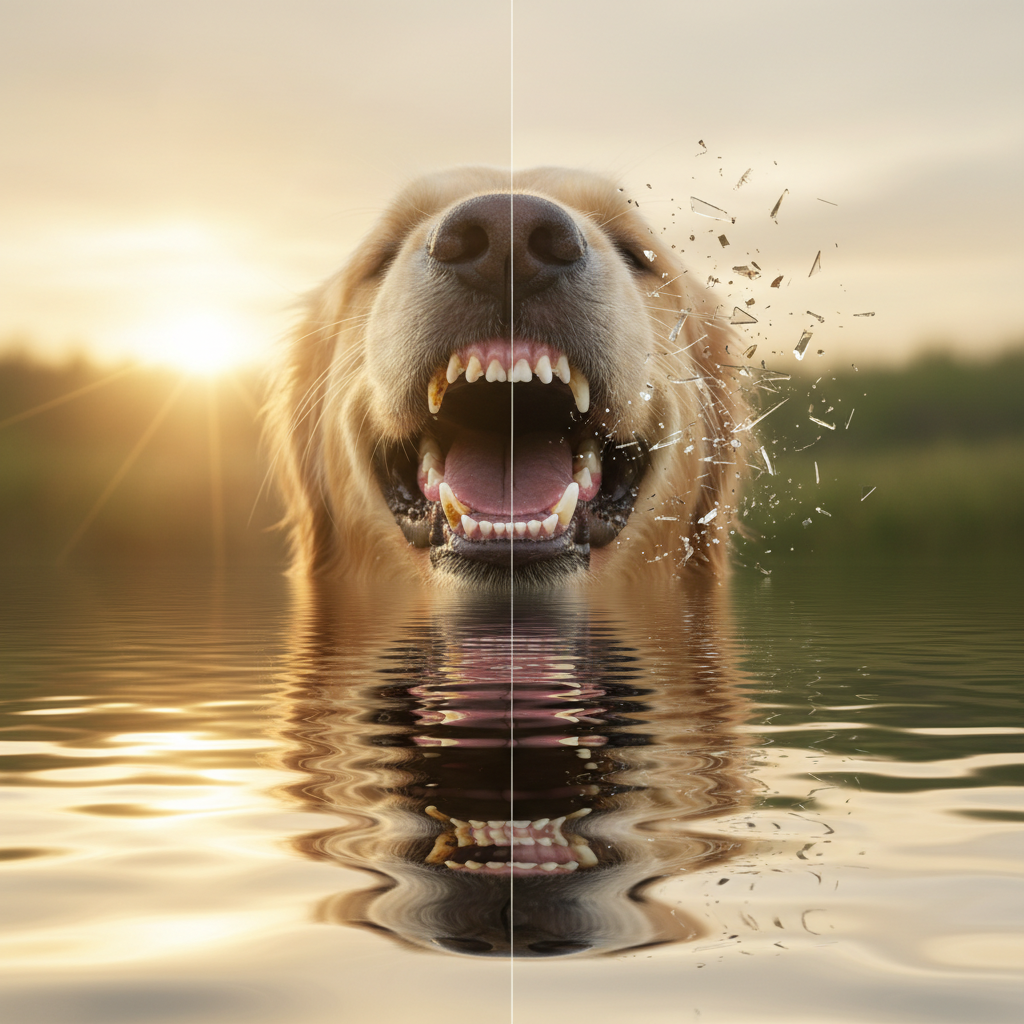
Dental hygiene is another often-overlooked aspect of pet hygiene. Dental disease is incredibly common in pets, and it can lead to a range of health problems, including bad breath, gum disease, and even heart disease. Regular teeth brushing and professional dental cleanings can help to prevent dental disease and keep your pet’s mouth healthy. And let’s be honest, good oral hygiene benefits both the pet and the owner!
Specific Breeds, Specific Needs: Tailoring Hygiene to Your Pet
Not all pets are created equal when it comes to hygiene. Different breeds have different coat types, skin sensitivities, and grooming requirements. A breed like a Poodle, with its dense, curly coat, requires frequent grooming to prevent matting. A breed like a Shar-Pei, with its wrinkled skin, is prone to skin infections and requires special attention to hygiene. Understanding your pet’s breed-specific needs is essential for providing optimal care.
Consider the case of a Persian cat. Persian cats have long, luxurious coats that require daily brushing to prevent matting and tangling. They are also prone to tear staining, which can be unsightly and can contribute to skin irritation. Regular bathing and facial cleaning are essential for keeping a Persian cat looking and feeling its best.
Similarly, certain dog breeds, such as Bulldogs and French Bulldogs, have skin folds that are prone to trapping moisture and debris. These folds need to be cleaned regularly to prevent skin infections. Your veterinarian or groomer can provide you with specific instructions on how to properly clean your pet’s skin folds.
Beyond the Breed: Individual Variations and Sensitivities
Even within a specific breed, there can be significant variations in coat type and skin sensitivity. Some pets have naturally oily skin, while others have dry skin. Some pets are more prone to allergies than others. It’s important to pay attention to your pet’s individual needs and to adjust your grooming routine accordingly. If you notice any signs of skin irritation, such as redness, itching, or flaking, consult with your veterinarian.
Senior pets often have different hygiene needs than younger pets. As pets age, their skin becomes thinner and more sensitive, and their immune systems may become weaker. This makes them more prone to skin problems and infections. Senior pets may also have difficulty grooming themselves, making it even more important for owners to provide regular care. Older pets may also have arthritis, making it more difficult for them to get into the bathtub. Modifications may need to be made to the bathing setup to make it easier and more comfortable for them.
The Psychological Component: Making Bath Time a Positive Experience
Bath time can be a stressful experience for both pets and owners. Many pets are naturally afraid of water, and they may associate bathing with negative experiences, such as being restrained or having soap in their eyes. It’s important to make bath time as positive as possible by creating a calm and relaxing environment, using positive reinforcement, and avoiding any harsh or forceful techniques.
Start by introducing your pet to the bathtub or grooming area gradually. Let them explore the space and get used to the sights and sounds. Use treats and praise to reward them for positive behavior. When you do begin bathing them, use warm (not hot) water and a gentle shampoo. Avoid getting water or soap in their eyes or ears. Speak to them in a calm and reassuring voice. And remember to always end the bath on a positive note, with plenty of praise and perhaps even a special treat.
Desensitization techniques can also be helpful for pets that are particularly fearful of bathing. This involves gradually exposing them to the stimuli that they find frightening, such as the sound of running water or the sight of a bathtub. Start with short, low-intensity exposures, and gradually increase the intensity and duration over time. With patience and consistency, you can help your pet overcome their fear of bathing and make bath time a more enjoyable experience for both of you.
Turning the Tide: From Dread to Delight
Sometimes, it’s not just about the bathing itself, but the association your pet has with the entire process. Do they associate the bathroom with stressful events like vet visits or medication administration? If so, you might need to actively work on changing those associations. Spend time in the bathroom with your pet doing fun things – playing with toys, giving them treats, or simply cuddling. The goal is to make the bathroom a safe and happy place.
Another trick is to use a lick mat during the bath. A lick mat is a textured rubber mat that you can smear with peanut butter or other pet-safe treats. The act of licking can be very calming for pets, and it can help to distract them from the bathing process. You can also try using a shower sprayer with a gentle massage setting. The gentle massage can be very soothing for pets, and it can help to loosen dirt and debris from their fur. Remember to start slowly and gradually introduce these new techniques to your pet. The key is to be patient and consistent, and to always prioritize your pet’s comfort and well-being.
The Financial Perspective: Balancing Cost and Care
Pet hygiene can be expensive, especially if you rely solely on professional grooming services. However, there are ways to balance cost and care without compromising your pet’s health and well-being. One option is to learn how to perform basic grooming tasks yourself, such as brushing, nail trimming, and ear cleaning. These tasks can be easily learned with the help of online tutorials or guidance from your veterinarian or groomer.
Another way to save money is to purchase grooming supplies in bulk. Shampoos, conditioners, and other grooming products are often cheaper when purchased in larger quantities. You can also look for sales and discounts at pet supply stores. And don’t be afraid to shop around for the best prices on professional grooming services. Prices can vary significantly from one groomer to another, so it’s worth doing some research to find a groomer that offers quality services at a reasonable price.
Ultimately, the cost of pet hygiene is an investment in your pet’s health and well-being. By taking proactive steps to keep your pet clean and healthy, you can prevent costly medical problems down the road. Regular grooming can also strengthen the bond between you and your pet, creating a more rewarding and fulfilling relationship. Prioritizing preventative care and investing in the right tools and knowledge can save you money and heartache in the long run.

In conclusion, while bathing your pet alone might seem like a simple solution to hygiene concerns, it often falls short of addressing the deeper, more complex needs of their skin and coat. By understanding the challenges, recognizing the limitations of DIY methods, and adopting a holistic approach that encompasses diet, preventative care, and professional assistance when needed, you can ensure that your furry friend remains healthy, happy, and smelling their absolute best. It’s a commitment that goes beyond the surface, fostering a stronger bond and a healthier life for your beloved companion.

Hi, my name is Robert Max, I live in the United States and I’m the creator of InTechNews. I started this blog with the goal of sharing reliable and practical information about pet care, helping pet owners provide a healthier and happier life for their animals. I’m passionate about animal well-being and believe that good information makes all the difference in responsible pet ownership.