
The Silent Guardians of Health: Why Clean Paws and Ears Matter
We adore our pets, showering them with affection, toys, and the best food we can afford. But amidst all the pampering, it’s easy to overlook the fundamentals of hygiene. Cleaning paws and ears might seem like minor chores, but they’re actually critical components of your pet’s overall well-being. Ignoring these areas can lead to discomfort, pain, and even serious health complications. So, why does keeping those paws and ears clean really matter?
Imagine walking barefoot through a muddy field and then not washing your feet. The dirt, bacteria, and potential parasites would fester, causing irritation, infection, and general discomfort. Our pets experience something similar, only they can’t easily tell us what’s wrong. Their paws are their constant connection to the ground, and their ears, often hidden beneath layers of fur, are susceptible to moisture and debris buildup. Understanding the ‘why’ behind the cleaning routine is the first step towards ensuring a happier, healthier life for your furry companion.
Paw Hygiene: More Than Just a Quick Wipe
Paws are the unsung heroes of our pets’ lives. They navigate various terrains, from scorching pavements to muddy trails. This constant exposure makes them a magnet for dirt, allergens, and even sharp objects. Think about the last time you walked your dog. Did they step in something questionable? Did they pick up burrs or thorns? These seemingly harmless encounters can quickly escalate into significant problems.
Ignoring paw hygiene can lead to a cascade of issues. For example, embedded debris can cause painful abscesses, while accumulated dirt and moisture create a breeding ground for bacteria and fungi. This can result in pododermatitis, an inflammation of the paws characterized by redness, swelling, and intense itching. Imagine your dog constantly licking and chewing at their paws, unable to find relief. It’s a miserable experience, and entirely preventable with regular cleaning.
Beyond the visible dirt, paws can also harbor allergens. Pollen, dust mites, and other environmental irritants can cling to your pet’s paws and trigger allergic reactions. These reactions can manifest as skin rashes, itching, and even respiratory problems. By cleaning your pet’s paws, you’re not only removing the allergens but also reducing their overall exposure, thereby mitigating the risk of allergic flare-ups.
Consider the case of a cat who loved to explore the garden. Unbeknownst to her owner, she was constantly traipsing through areas treated with fertilizers and pesticides. These chemicals clung to her paws, and when she groomed herself, she ingested them. Over time, this led to a build-up of toxins in her system, causing digestive problems and a weakened immune system. Regular paw cleaning could have prevented this silent poisoning.
Regular paw cleaning isn’t just about preventing problems; it’s also about early detection. By examining your pet’s paws regularly, you can spot potential issues before they become serious. Look for signs of redness, swelling, cuts, or embedded objects. If you notice anything unusual, consult your veterinarian immediately.
Ear Care: A Gateway to Overall Health
Ears, often hidden beneath layers of fur, are another area frequently neglected in pet hygiene. The ear canal is a warm, moist environment, making it an ideal breeding ground for bacteria, yeast, and mites. This is particularly true for dogs with floppy ears, as the lack of air circulation creates an even more hospitable environment for these unwelcome guests.
Ear infections are a common ailment in pets, causing pain, inflammation, and even hearing loss if left untreated. The symptoms can range from subtle head shaking and scratching to more obvious signs like discharge, odor, and redness. Imagine the constant throbbing pain of an ear infection. It’s debilitating and can significantly impact your pet’s quality of life.
Mites, tiny parasites that live in the ear canal, are another common culprit behind ear problems. They cause intense itching and irritation, leading to excessive scratching and potential secondary infections. Ear mites are highly contagious and can quickly spread to other pets in the household. Regular ear cleaning can help prevent mite infestations and keep your pets comfortable.
Beyond infections and mites, excessive wax buildup can also cause problems. Wax traps dirt and debris, creating a plug that can impede hearing and provide a breeding ground for bacteria. Regular ear cleaning helps remove this buildup, keeping the ear canal clear and healthy.
Consider the case of a Labrador who loved to swim. After each swim, water would get trapped in his ear canals, creating a perfect environment for bacterial growth. He developed chronic ear infections that required frequent veterinary visits and antibiotic treatments. Had his owner known to dry his ears thoroughly after each swim and perform regular ear cleanings, he could have avoided years of discomfort and potential hearing damage.
Regular ear cleaning isn’t just about removing wax and debris; it’s also about early detection. By examining your pet’s ears regularly, you can spot potential problems before they become serious. Look for signs of redness, swelling, discharge, or odor. If you notice anything unusual, consult your veterinarian immediately.
The Right Tools and Techniques
Now that we’ve established the importance of paw and ear hygiene, let’s delve into the practical aspects of cleaning. The right tools and techniques are essential for ensuring a safe and effective cleaning routine.
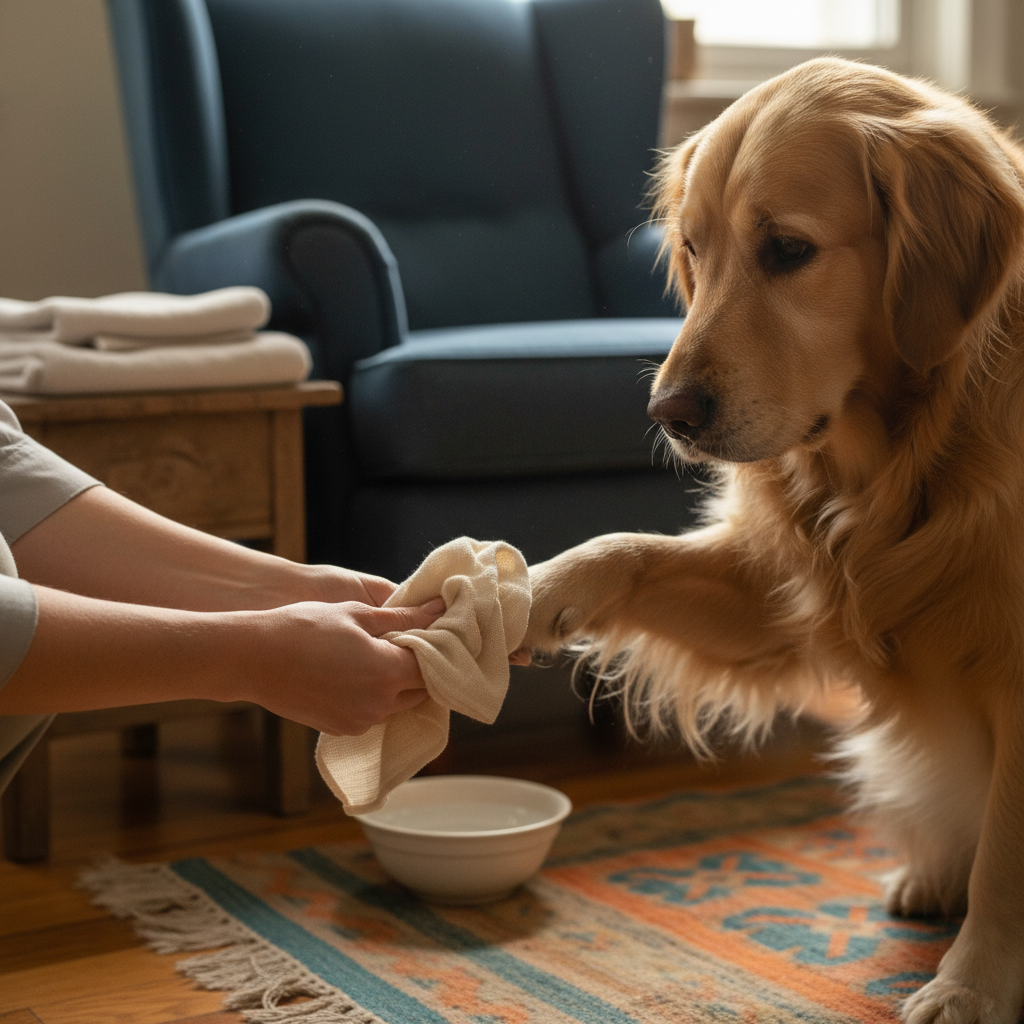
For paw cleaning, a simple damp cloth or paw wipes are often sufficient for removing dirt and debris. For more thorough cleaning, you can use a mild soap and water solution. Be sure to rinse thoroughly and dry the paws completely to prevent moisture buildup. If your pet has long fur between their toes, consider trimming it regularly to prevent matting and trap less debris.
For ear cleaning, use a veterinarian-approved ear cleaning solution. Never use cotton swabs to clean the ear canal, as this can push debris further in and potentially damage the eardrum. Instead, gently squirt the cleaning solution into the ear canal and massage the base of the ear for a few seconds. Then, use a cotton ball to wipe away any excess solution and debris from the outer ear. Repeat this process until the cotton ball comes away clean. If your pet has excessive wax buildup or signs of an ear infection, consult your veterinarian before attempting to clean their ears.
Remember to always use positive reinforcement during cleaning. Reward your pet with treats and praise to make the experience more enjoyable. If your pet is resistant to cleaning, start slowly and gradually increase the duration and frequency of the cleaning sessions. Patience and consistency are key to establishing a successful hygiene routine.

Frequency and Consistency: Building a Routine
How often should you clean your pet’s paws and ears? The frequency depends on several factors, including your pet’s breed, lifestyle, and environment. Pets who spend a lot of time outdoors or have a history of ear infections may require more frequent cleaning. As a general guideline, aim to clean your pet’s paws at least once a week and their ears every two weeks. However, it’s always best to consult with your veterinarian to determine the optimal cleaning schedule for your individual pet.
Consistency is key to maintaining good paw and ear hygiene. Establishing a regular cleaning routine will not only keep your pet healthy but also make the process easier over time. Your pet will become accustomed to the routine and may even start to enjoy the attention. Think of it as a bonding experience, a time to connect with your pet and show them that you care.
Integrating paw and ear cleaning into your regular grooming routine is a great way to stay on track. For example, you can clean your pet’s paws after each walk or clean their ears during their weekly brushing session. By combining cleaning with other grooming activities, you can make it a seamless and efficient process.
Don’t wait until you notice a problem to start cleaning your pet’s paws and ears. Prevention is always better than cure. By proactively maintaining good hygiene, you can prevent a host of health problems and ensure a happier, healthier life for your furry companion.
When to Seek Professional Help
While regular paw and ear cleaning can go a long way in preventing problems, it’s important to recognize when professional help is needed. If you notice any of the following signs, consult your veterinarian immediately:
- Excessive redness, swelling, or pain
- Discharge or odor
- Excessive scratching or head shaking
- Changes in hearing
- Open wounds or sores
- Embedded objects that you can’t remove yourself
Your veterinarian can diagnose the underlying cause of the problem and recommend the appropriate treatment. They may also perform a professional ear cleaning to remove excessive wax or debris. In some cases, surgery may be necessary to address more serious issues.
Remember, early detection and treatment are crucial for preventing long-term complications. Don’t hesitate to seek professional help if you’re concerned about your pet’s paw or ear health. Your veterinarian is your best resource for ensuring the well-being of your furry companion.

Beyond the Basics: Lifestyle Considerations
The specific needs of your pet’s paw and ear hygiene routine will vary depending on their lifestyle. Active dogs who spend a lot of time outdoors may require more frequent paw cleaning to remove dirt, debris, and allergens. Swimming dogs are prone to ear infections and may benefit from regular ear drying and cleaning after each swim.
Pets with allergies may also require more frequent paw and ear cleaning to minimize their exposure to allergens. Consider using hypoallergenic shampoos and ear cleaning solutions to avoid further irritation. You can also create a barrier between your pet’s paws and the environment by using paw wax or booties during walks.
Senior pets may have difficulty grooming themselves and may require more assistance with paw and ear cleaning. Be gentle and patient during cleaning sessions, and be mindful of any pain or discomfort your pet may be experiencing.
Consider the case of a senior cat who had arthritis. She was no longer able to groom herself effectively, and her ears became clogged with wax and debris. Her owner started cleaning her ears regularly, which not only improved her hearing but also boosted her overall comfort and well-being. This simple act of care made a significant difference in her quality of life.
By tailoring your pet’s paw and ear hygiene routine to their individual needs, you can ensure that they receive the best possible care. This proactive approach will help prevent health problems and keep your furry companion happy and healthy for years to come.
The Long-Term Benefits of Proactive Care
Investing time and effort in your pet’s paw and ear hygiene is an investment in their long-term health and well-being. By proactively maintaining good hygiene, you can prevent a host of health problems, reduce the need for costly veterinary visits, and improve your pet’s quality of life.
Think of it as preventative maintenance for your pet’s body. Just like you take care of your car to prevent breakdowns, you need to take care of your pet’s paws and ears to prevent health problems. Regular cleaning is a simple and effective way to keep them healthy and happy.
The benefits extend beyond physical health. Good hygiene also promotes a stronger bond between you and your pet. Cleaning provides an opportunity to connect with your pet, show them that you care, and build trust. This can lead to a more harmonious and fulfilling relationship.
So, the next time you’re tempted to skip paw and ear cleaning, remember the long-term benefits. It’s not just about keeping your pet clean; it’s about safeguarding their health, happiness, and overall well-being. It’s about being a responsible and loving pet owner.
In conclusion, keeping your pet’s paws and ears clean is more than just a matter of aesthetics. It’s a fundamental aspect of responsible pet ownership that contributes significantly to their overall health and happiness. By understanding the ‘why’ behind the cleaning routine, adopting the right tools and techniques, and establishing a consistent schedule, you can prevent a host of health problems and ensure a happier, healthier life for your furry companion. Don’t underestimate the power of clean paws and ears – they are truly silent guardians of your pet’s well-being. They deserve our attention and care.

Hi, my name is Robert Max, I live in the United States and I’m the creator of InTechNews. I started this blog with the goal of sharing reliable and practical information about pet care, helping pet owners provide a healthier and happier life for their animals. I’m passionate about animal well-being and believe that good information makes all the difference in responsible pet ownership.