
The Unexpected Downside of Over-Bathing Your Pet
We all love a clean pet. The feeling of burying your face in freshly washed fur is undeniably comforting. But what if that pristine cleanliness comes at a cost? What if, in our quest for a perpetually fragrant companion, we’re actually doing them more harm than good? The truth is, the frequency with which we bathe our pets is a topic often misunderstood, and the potential consequences of over-bathing are more significant than many pet owners realize.
It’s a natural inclination to want to rid our beloved animals of any dirt, grime, or unpleasant odors they might accumulate. After all, they roll in things we wouldn’t dare touch, explore environments teeming with unseen microbes, and generally live a life far more “hands-on” than our own. However, beneath that fur lies a delicate ecosystem – a complex balance of oils, bacteria, and other microorganisms that play a crucial role in maintaining skin health and overall well-being.
Are we inadvertently disrupting this delicate balance with our well-intentioned bathing rituals? Are we stripping away essential oils and leaving our pets vulnerable to a host of skin problems? Let’s delve into the science behind pet skin and explore the potential pitfalls of excessive bathing.
The Skin’s Natural Defense System
Our pets’ skin is not just a protective barrier against the outside world; it’s a sophisticated organ with its own unique microbiome. This microbiome consists of a diverse community of bacteria, fungi, and other microorganisms that live on the skin’s surface and in hair follicles. These microorganisms are not inherently harmful; in fact, many of them are beneficial, playing a vital role in maintaining skin health.
One of the most important functions of the skin is to produce sebum, an oily substance secreted by sebaceous glands. Sebum helps to keep the skin moisturized, prevents it from drying out and cracking, and creates a waterproof barrier that protects against environmental damage. It also contributes to the skin’s natural acidity, which helps to inhibit the growth of harmful bacteria and fungi.
When we bathe our pets too frequently, we strip away this natural protective layer of sebum, disrupting the skin’s microbiome and leaving it vulnerable to infection and inflammation. The skin’s pH balance is also affected, making it easier for opportunistic pathogens to thrive.
Consider the analogy of a healthy garden. A thriving garden has a complex ecosystem of beneficial insects, fungi, and bacteria that work together to keep pests and diseases at bay. If you were to douse your garden with harsh chemicals, you might kill the pests, but you would also destroy the beneficial organisms, leaving your plants more susceptible to future problems. The same principle applies to your pet’s skin.
The Consequences of Stripping Natural Oils
The consequences of stripping away these natural oils can be far-reaching. Dry, irritated skin is just the beginning. Over-bathing can lead to a cascade of problems, including:
* **Increased Itching and Scratching:** Dry skin is itchy skin. As the skin loses its natural moisture barrier, it becomes more susceptible to irritation from environmental factors like allergens, pollen, and dust mites. This leads to increased scratching, which can further damage the skin and create open wounds that are prone to infection.
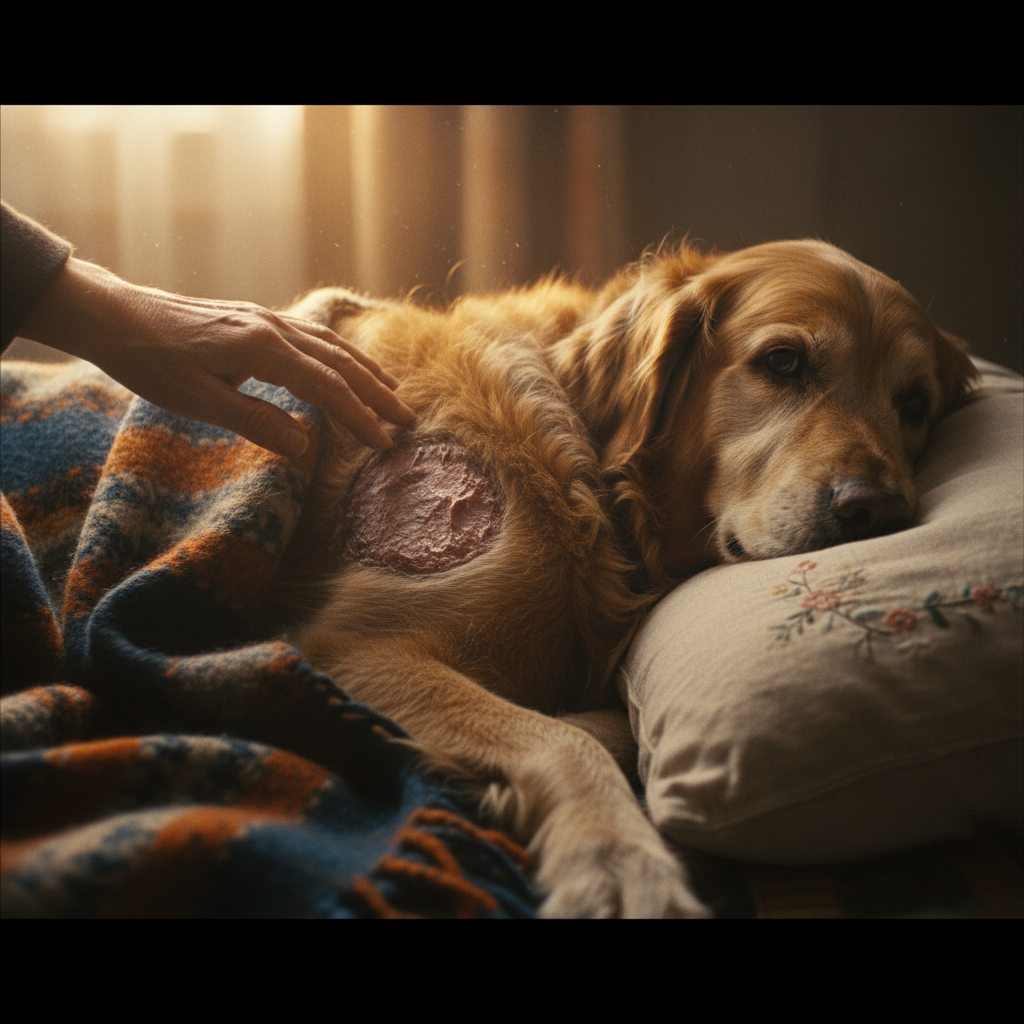
* **Dermatitis:** Dermatitis, or inflammation of the skin, is a common consequence of over-bathing. The skin becomes red, inflamed, and itchy, and may develop rashes, bumps, or blisters. In severe cases, dermatitis can lead to hair loss and secondary bacterial or fungal infections.
* **Increased Susceptibility to Allergies:** A healthy skin barrier is essential for preventing allergens from penetrating the skin and triggering an allergic reaction. When the skin barrier is compromised by over-bathing, allergens can more easily enter the body, leading to increased sensitivity and allergic reactions.
* **Dull and Brittle Coat:** The natural oils produced by the skin are essential for maintaining a healthy, shiny coat. When these oils are stripped away, the coat can become dull, brittle, and prone to breakage.
* **Hot Spots:** Hot spots are localized areas of intense itching and inflammation that can develop rapidly. They are often triggered by allergies, insect bites, or other skin irritants, but over-bathing can increase the risk of hot spots by compromising the skin barrier.
These are just a few of the potential consequences of over-bathing. The severity of the problem will vary depending on the individual pet, their breed, their skin type, and the frequency with which they are bathed.
Breed-Specific Considerations
Not all breeds require the same bathing frequency. Some breeds, like poodles and Portuguese water dogs, have oily coats that require more frequent bathing to prevent matting and odor buildup. Other breeds, like Siberian huskies and Alaskan malamutes, have thick double coats that are naturally water-resistant and require less frequent bathing.
It’s important to research your breed’s specific grooming needs and consult with a veterinarian or professional groomer to determine the appropriate bathing frequency for your pet. Consider these examples:
* **Poodles:** These dogs have dense, curly coats that trap dirt and debris. They typically need to be bathed every 2-3 weeks to prevent matting and maintain a healthy coat.
* **Labrador Retrievers:** Labs have a short, water-resistant coat that doesn’t require frequent bathing. Bathing them once a month or even less often is usually sufficient.
* **Shih Tzus:** Shih Tzus have long, flowing coats that require daily brushing to prevent tangles. They typically need to be bathed every 2-3 weeks to keep their coats clean and healthy.
* **German Shepherds:** German Shepherds have a double coat that sheds heavily. They don’t need to be bathed frequently, unless they get particularly dirty. Bathing them every 1-2 months is usually sufficient.
By understanding your breed’s specific needs, you can avoid over-bathing and protect your pet’s skin health.
The Right Way to Bathe Your Pet
If you’ve been bathing your pet too frequently, don’t despair. It’s never too late to make a change and adopt a healthier bathing routine. Here are some tips for bathing your pet the right way:
* **Bathe Only When Necessary:** This is the most important rule of all. Don’t bathe your pet just because you think they “need” it. Only bathe them when they are visibly dirty or smelly, or when recommended by your veterinarian.
* **Use a Gentle Shampoo:** Choose a shampoo that is specifically formulated for pets and is free of harsh chemicals, fragrances, and dyes. Look for shampoos that contain moisturizing ingredients like oatmeal, aloe vera, or shea butter. Human shampoo is generally too harsh for pets and can strip away their natural oils.
* **Use Lukewarm Water:** Avoid using hot water, as it can dry out the skin. Lukewarm water is gentle and effective for cleaning.
* **Rinse Thoroughly:** Make sure to rinse all of the shampoo out of your pet’s coat. Shampoo residue can irritate the skin and lead to itching and inflammation.
* **Dry Thoroughly:** Use a towel to dry your pet as much as possible. You can also use a hair dryer on a low setting, but be careful not to overheat the skin. Make sure your pet is completely dry before allowing them to go outside, especially in cold weather.
* **Brush Regularly:** Regular brushing helps to remove loose hair, dirt, and debris, reducing the need for frequent bathing.
* **Consider Spot Cleaning:** If your pet only has a small area that is dirty, consider spot cleaning instead of giving them a full bath. You can use a damp cloth or pet wipes to clean the affected area.
* **Consult with Your Veterinarian:** If you are unsure about the best bathing routine for your pet, consult with your veterinarian. They can assess your pet’s skin and coat condition and recommend a personalized bathing plan.

The Power of Alternatives: Beyond the Bath
Sometimes, the best way to keep your pet clean isn’t a bath at all. There are several alternatives that can help to maintain hygiene without stripping the skin of its natural oils:
* **Wipes:** Pet wipes are a convenient way to clean your pet’s paws, face, and other areas that may get dirty between baths. Look for wipes that are alcohol-free and fragrance-free.
* **Dry Shampoo:** Dry shampoo is a powder or spray that absorbs excess oil and dirt from the coat. It’s a great option for pets who don’t like baths or who have sensitive skin.
* **Brushing:** Regular brushing is essential for removing loose hair, dirt, and debris from the coat. It also helps to distribute natural oils throughout the coat, keeping it healthy and shiny.
* **Paw Cleaning:** Cleaning your pet’s paws after walks can help to prevent them from tracking dirt and allergens into the house. You can use a damp cloth or paw cleaning wipes.
* **Healthy Diet:** A healthy diet is essential for maintaining healthy skin and coat. Make sure your pet is eating a balanced diet that is rich in essential fatty acids, vitamins, and minerals.
Consider the lifestyle of your pet. A dog who spends most of their time indoors might only need spot cleaning and occasional brushing, whereas a dog who loves to roll in the mud might require more frequent attention.
When to Seek Veterinary Advice
While reducing bathing frequency can often resolve mild skin issues, it’s crucial to recognize when veterinary intervention is necessary. If your pet exhibits any of the following symptoms, it’s time to consult with your veterinarian:
* **Severe Itching:** Persistent and intense itching that doesn’t respond to home remedies.
* **Hair Loss:** Noticeable thinning of the coat or bald patches.
* **Skin Lesions:** Open sores, scabs, or crusty patches on the skin.
* **Redness and Inflammation:** Widespread redness and inflammation of the skin.
* **Odor:** A foul or unusual odor emanating from the skin.
* **Changes in Behavior:** Increased licking, chewing, or scratching.
These symptoms could indicate an underlying medical condition, such as allergies, infections, or hormonal imbalances, that requires veterinary diagnosis and treatment. Don’t hesitate to seek professional help if you are concerned about your pet’s skin health.
The Myth of the “Clean Smell”
We often associate the smell of freshly washed fur with cleanliness and hygiene. However, that “clean smell” is often the result of artificial fragrances added to shampoos, which can actually be irritating to your pet’s skin. Moreover, the absence of natural oils can sometimes lead to an *increase* in odor over time, as the skin attempts to compensate for the loss of sebum by producing even more oil, which can then become rancid.
Instead of chasing the elusive “clean smell,” focus on maintaining your pet’s overall health and hygiene through proper diet, regular brushing, and infrequent, gentle bathing. A truly healthy pet will have a natural, pleasant odor that is far more appealing than any artificial fragrance.
Think of it like this: a healthy person doesn’t need to douse themselves in perfume or cologne to smell good. They simply need to maintain good hygiene and eat a healthy diet. The same principle applies to our pets.
The Long-Term Benefits of a Mindful Approach
Adopting a more mindful approach to bathing your pet can have significant long-term benefits, not just for their skin health but also for their overall well-being. By avoiding over-bathing, you can:
* **Reduce the Risk of Skin Problems:** Minimize the chances of developing dry skin, dermatitis, allergies, and other skin conditions.
* **Improve Coat Quality:** Maintain a healthy, shiny coat that is less prone to breakage.
* **Save Time and Money:** Reduce the frequency of bathing and grooming appointments, saving you time and money.
* **Strengthen the Bond with Your Pet:** By focusing on gentle grooming practices and avoiding stressful bathing experiences, you can strengthen the bond with your pet and create a more positive relationship.
* **Promote Overall Health and Well-being:** Healthy skin is an essential part of overall health and well-being. By protecting your pet’s skin, you are helping them to live a happier, healthier life.
Ultimately, the key to bathing your pet responsibly is to listen to their individual needs and to prioritize their health and well-being above all else.
In conclusion, while the desire to keep our furry friends clean is understandable, over-bathing can have unintended consequences. By understanding the delicate balance of the skin’s ecosystem and adopting a more mindful approach to bathing, we can protect our pets from a range of skin problems and promote their overall health and well-being. Remember, less is often more when it comes to bathing your pet. Focus on gentle grooming practices, a healthy diet, and infrequent bathing only when necessary. Your pet will thank you for it.

Hi, my name is Robert Max, I live in the United States and I’m the creator of InTechNews. I started this blog with the goal of sharing reliable and practical information about pet care, helping pet owners provide a healthier and happier life for their animals. I’m passionate about animal well-being and believe that good information makes all the difference in responsible pet ownership.