
The Mystery of the Discarded Plaything
Have you ever excitedly presented your dog or cat with a brand-new toy, only to watch their initial enthusiasm wane into utter indifference within a matter of days, or even minutes? It’s a common scenario for pet owners, and one that often leaves us scratching our heads, wondering what went wrong. Did we choose the wrong toy? Are our pets simply fickle? Or is there something more complex at play? The truth, as is often the case with our beloved companions, is multifaceted.
The world of pet toys is a vast and varied one, filled with squeaky plushies, interactive puzzles, laser pointers, and everything in between. We spend our hard-earned money hoping to enrich our pets’ lives, provide mental stimulation, and curb destructive behaviors. But when that shiny new toy ends up gathering dust in the corner, it’s easy to feel like we’ve failed. Before you resign yourself to a life of perpetually rotating toys, let’s delve into the reasons behind this common phenomenon and explore how to keep your furry friend engaged and entertained.
The Novelty Factor: A Fleeting Fascination
One of the primary reasons pets lose interest in toys quickly is the simple concept of novelty. Just like humans, animals are drawn to new and exciting experiences. A new toy represents something unknown, a puzzle to solve, a scent to investigate, or a texture to explore. This initial burst of curiosity triggers a release of dopamine, the “feel-good” neurotransmitter in the brain, making the toy incredibly appealing.
However, once the novelty wears off and the pet becomes familiar with every aspect of the toy – its scent, texture, sound, and how it interacts with them – the dopamine rush diminishes. The toy becomes predictable, and the excitement fades. Think of it like a favorite song: you might listen to it obsessively for a week, but eventually, you’ll likely move on to something new. The same principle applies to your pet’s toys.
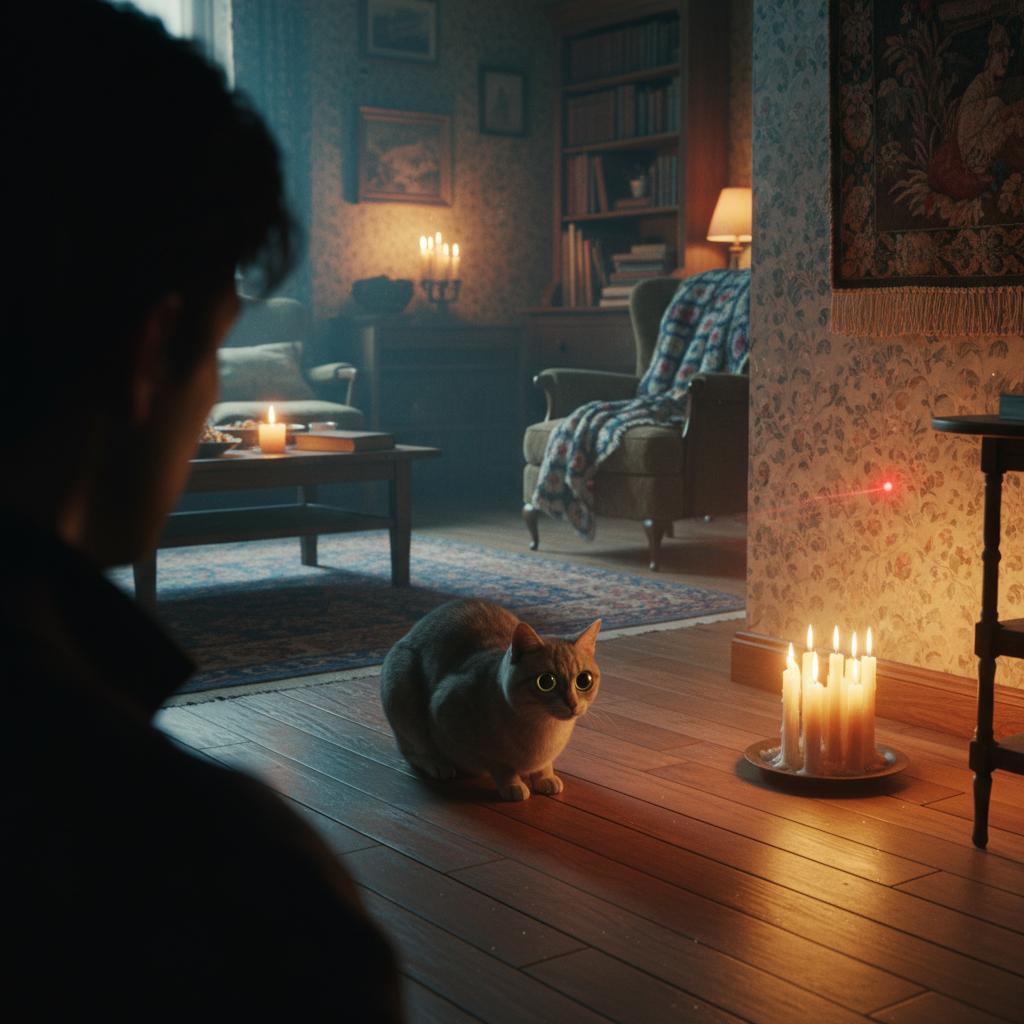
Consider a cat and a laser pointer. The erratic, unpredictable movement of the light initially triggers their hunting instincts, making them stalk, pounce, and chase with intense focus. But once they realize that the light is an uncatchable illusion, and the game becomes repetitive, their interest wanes. The novelty is gone, and the hunt is ultimately unfulfilling.
The Importance of Play Style and Instinct
Another crucial factor in toy longevity is understanding your pet’s individual play style and inherent instincts. Different breeds and even individual animals within the same breed have varying preferences and motivations when it comes to play. A high-energy herding dog, for example, might be more drawn to toys that allow them to chase and herd, while a scent-driven hound might prefer toys that involve sniffing and tracking.
If you’re offering your pet toys that don’t align with their natural instincts, it’s no surprise they quickly lose interest. A plush toy, no matter how cute, might not satisfy a terrier’s deep-seated desire to dig and burrow. Similarly, a puzzle toy that requires complex problem-solving might frustrate a cat who prefers simpler, more immediate gratification.
Observe your pet’s behavior during play. What types of movements do they enjoy? Do they prefer to chase, pounce, chew, or cuddle? What motivates them – food, praise, or simply the thrill of the hunt? By understanding their unique preferences, you can choose toys that cater to their specific needs and provide a more fulfilling play experience.
Boredom and Lack of Enrichment
Sometimes, a pet’s disinterest in toys is a symptom of a larger problem: boredom and lack of environmental enrichment. If your pet spends most of their day alone with limited opportunities for physical and mental stimulation, even the most engaging toy will eventually lose its appeal. They might simply be too bored and unmotivated to play, or they might associate the toy with their overall lack of activity and interaction.
Imagine being stuck in a room with nothing to do but stare at the walls. Eventually, even your favorite book or game would lose its charm. The same applies to your pet. They need more than just toys to thrive. They need social interaction, physical exercise, mental challenges, and opportunities to engage their senses.
Consider incorporating more enrichment activities into your pet’s daily routine. This could include daily walks or runs, interactive play sessions, training exercises, puzzle feeders, scent work, or even simply spending more quality time cuddling and interacting with them. A well-stimulated pet is far more likely to engage with their toys and maintain interest over time.
Strategies for Rekindling the Spark
So, how can you prevent your pet from losing interest in their toys and keep them engaged and entertained? Here are some practical strategies to try:
Toy Rotation: The Element of Surprise
One of the simplest and most effective strategies is toy rotation. Instead of leaving all of your pet’s toys out all the time, rotate them every few days or weeks. This keeps things fresh and exciting, and makes each toy feel like a brand-new discovery when it reappears.
Think of it like this: if you had access to an unlimited supply of your favorite snack, you’d likely get tired of it eventually. But if you only had access to it occasionally, you’d appreciate it much more. Toy rotation works on the same principle. By limiting access to certain toys, you increase their perceived value and make them more appealing when they’re brought back into circulation.
You can also experiment with different rotation schedules. Some pets might benefit from a daily rotation, while others might be happy with a weekly or monthly change. Observe your pet’s reaction to different rotation schedules and adjust accordingly.
Interactive Play: Engaging the Mind and Body
Instead of simply giving your pet a toy and expecting them to entertain themselves, engage in interactive play with them. This not only provides physical exercise but also strengthens your bond and stimulates their mind.
Interactive play can take many forms. For dogs, it might involve fetching, tug-of-war, or hide-and-seek. For cats, it might involve chasing a wand toy, batting at a dangling feather, or playing with a laser pointer (in moderation, and always ending with a “catch”). The key is to actively participate in the play session and make it fun and engaging for your pet.
When engaging in interactive play, pay attention to your pet’s body language and adjust your approach accordingly. If they seem tired or disinterested, take a break or switch to a different activity. If they’re highly engaged and excited, keep the play session going as long as they’re enjoying it.

Puzzle Toys and Food Dispensers: Mental Stimulation and Reward
Puzzle toys and food dispensers are excellent for providing mental stimulation and keeping your pet engaged for longer periods. These toys require your pet to solve a puzzle or perform a task in order to access a reward, such as a treat or a piece of kibble.
Puzzle toys come in a variety of shapes and sizes, ranging from simple treat-dispensing balls to more complex contraptions that require multiple steps to solve. They’re a great way to challenge your pet’s problem-solving skills and keep them entertained, especially when you’re not able to directly interact with them.
When introducing a puzzle toy, start with an easy one and gradually increase the difficulty as your pet becomes more proficient. You can also vary the types of rewards you use, such as different flavors of treats or even small pieces of their regular food. This helps to keep things interesting and prevent boredom.
Training Games: Combining Play and Learning
Training games are a fun and effective way to combine play and learning. These games not only provide mental stimulation but also reinforce obedience commands and strengthen your bond with your pet.
Training games can include things like teaching your dog new tricks, practicing basic obedience commands in a playful way, or even creating a simple obstacle course in your backyard. The key is to make it fun and rewarding for your pet, using positive reinforcement techniques like treats and praise.
When incorporating training games into your pet’s routine, keep the sessions short and focused, and always end on a positive note. This will help to keep them motivated and engaged, and prevent them from becoming frustrated or overwhelmed.
Scent Work: Tapping into Natural Instincts
Scent work is a fantastic way to tap into your pet’s natural instincts and provide mental enrichment. This involves hiding treats or toys and having your pet use their sense of smell to find them.
Scent work can be done indoors or outdoors, and it can be adapted to suit pets of all ages and abilities. Start by hiding a treat in an easy-to-find location and gradually increase the difficulty as your pet becomes more skilled. You can also use different scents, such as essential oils or spices, to add variety and challenge.
Scent work is particularly beneficial for dogs, who have an incredibly powerful sense of smell. It’s a great way to burn energy, reduce stress, and provide mental stimulation.
The Importance of Quality Time and Attention
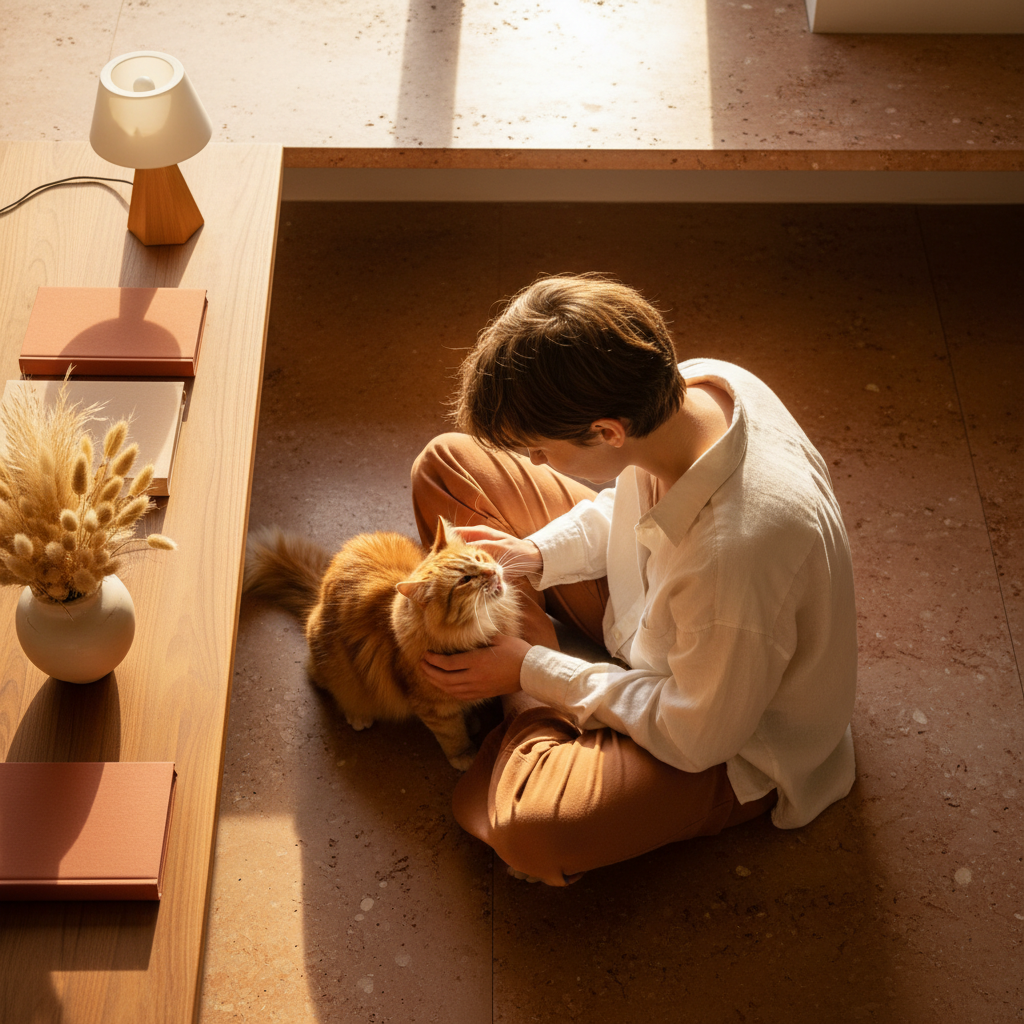
Ultimately, the most important factor in keeping your pet engaged with their toys is to provide them with plenty of quality time and attention. Toys are just one piece of the puzzle. They need your love, companionship, and interaction to thrive. A pet who feels loved and secure is far more likely to be playful and engaged with their toys.
Make time each day to interact with your pet, whether it’s through playtime, cuddling, grooming, or simply talking to them. Pay attention to their body language and respond to their needs. Acknowledge their presence and make them feel like a valued member of your family.
Sometimes, all your pet needs is a little bit of your attention to reignite their interest in a toy. Pick up a neglected toy, toss it in the air, or simply hold it out to them. You might be surprised at how quickly their eyes light up and their tail starts wagging.
Beyond the Toy Box: Creating a Stimulating Environment
Enrichment isn’t just about toys; it’s about creating a stimulating environment that caters to your pet’s natural instincts and needs. This means providing them with opportunities to explore, interact, and engage their senses.
For cats, this might involve providing climbing structures, scratching posts, window perches, and plenty of hiding places. For dogs, it might involve providing access to a backyard or park, opportunities for socialization with other dogs, and regular walks or runs.
Consider adding elements to your home that appeal to your pet’s senses. This could include playing calming music, using aromatherapy diffusers (with pet-safe essential oils), or providing a variety of textures and materials for them to explore.
Case Study: Sparky’s Transformation
Let’s consider the case of Sparky, a five-year-old Jack Russell Terrier who had seemingly lost all interest in his toys. His owner, Sarah, was frustrated and concerned. Sparky used to love playing fetch and tug-of-war, but lately, he’d been ignoring his toys and spending most of his time sleeping.
Sarah consulted with a veterinarian, who ruled out any underlying medical conditions. The vet suggested that Sparky might be bored and lacking in enrichment. Sarah decided to implement some changes to Sparky’s routine.
First, she started rotating his toys every few days. She also began engaging in more interactive play sessions with him, playing fetch in the park and teaching him new tricks. She introduced a puzzle toy that dispensed treats when he solved it.
Sarah also made some changes to Sparky’s environment. She started taking him on longer walks and allowing him to socialize with other dogs at the dog park. She also created a digging box in her backyard, filled with sand and toys for him to bury and unearth.
Within a few weeks, Sarah noticed a dramatic change in Sparky’s behavior. He was more energetic, playful, and engaged with his toys. He seemed happier and more content overall. Sarah realized that Sparky hadn’t lost interest in toys altogether; he just needed a little bit of extra stimulation and attention to reignite his spark.
The Ever-Evolving World of Play
Keeping your pet engaged with their toys is an ongoing process. Their preferences and needs will change over time, so it’s important to be adaptable and willing to experiment with new toys and activities. Don’t be afraid to try new things and see what works best for your furry friend.
The world of pet toys is constantly evolving, with new and innovative products being released all the time. Stay informed about the latest trends and innovations, and don’t be afraid to try something new. You might just discover your pet’s new favorite toy.
Remember, the goal is not just to keep your pet entertained but also to enrich their lives and strengthen your bond with them. By understanding their individual needs and preferences, and by providing them with plenty of love, attention, and stimulation, you can help them live a happy, healthy, and fulfilling life, filled with plenty of playtime and joy. The key is to be patient, observant, and willing to adapt, and to remember that the most important thing is the connection you share with your beloved companion.

Hi, my name is Robert Max, I live in the United States and I’m the creator of InTechNews. I started this blog with the goal of sharing reliable and practical information about pet care, helping pet owners provide a healthier and happier life for their animals. I’m passionate about animal well-being and believe that good information makes all the difference in responsible pet ownership.