
The Perils of Pet Couture: When Love Goes Too Far
We all love our pets. They’re family. They’re furry, scaled, or feathered bundles of joy who greet us at the door, offer unconditional love (or at least, the appearance of it), and generally make our lives better. We want to show them how much we care, and sometimes, that translates into… questionable fashion choices.
Let’s be honest, how many times have you seen a dog waddling down the street in a sweater that looks more appropriate for a toddler? Or a cat squeezed into a Halloween costume that clearly violates at least three of its nine lives? It’s tempting to dress up our animal companions, to project our own sense of style (or lack thereof) onto them. After all, a tiny dog in a miniature trench coat is undeniably adorable… right?
But where do we draw the line? Is it really about what *we* want, or what’s best for our beloved companions? Are we truly expressing our affection, or simply indulging in a bit of anthropomorphic cosplay at their expense? This isn’t about being a killjoy; it’s about considering the ethical and practical implications of turning our pets into walking, talking (well, maybe not talking) fashion statements.
The Comfort Factor: Is Your Pet Really Enjoying This?
The first and most important question to ask yourself before reaching for that miniature top hat is: is my pet comfortable? Animals, unlike humans, don’t inherently understand the concept of clothing. They haven’t been conditioned by societal norms to value appearance over comfort. For them, clothing is simply something that’s either pleasant or unpleasant to wear.
Consider the typical dog sweater. It might look cozy to us, but to a dog, it could be a source of overheating, restricted movement, or skin irritation. Many dogs have thick fur coats that are perfectly adequate for keeping them warm in all but the most extreme conditions. Adding an extra layer can actually be detrimental, leading to discomfort and even heatstroke.
And what about those elaborate costumes? The ones with the tiny hats, the restrictive straps, and the dangling accessories? While they might look hilarious in photos, they can be incredibly stressful for your pet. Imagine being forced to wear something that restricts your vision, impairs your breathing, or constantly rubs against your skin. It’s not exactly a recipe for a good time.
Even seemingly innocuous accessories like collars can be problematic. Ill-fitting collars can cause chafing, hair loss, and even pressure sores. And if your pet is prone to pulling on the leash, a collar can put undue strain on their neck, potentially leading to serious injuries.
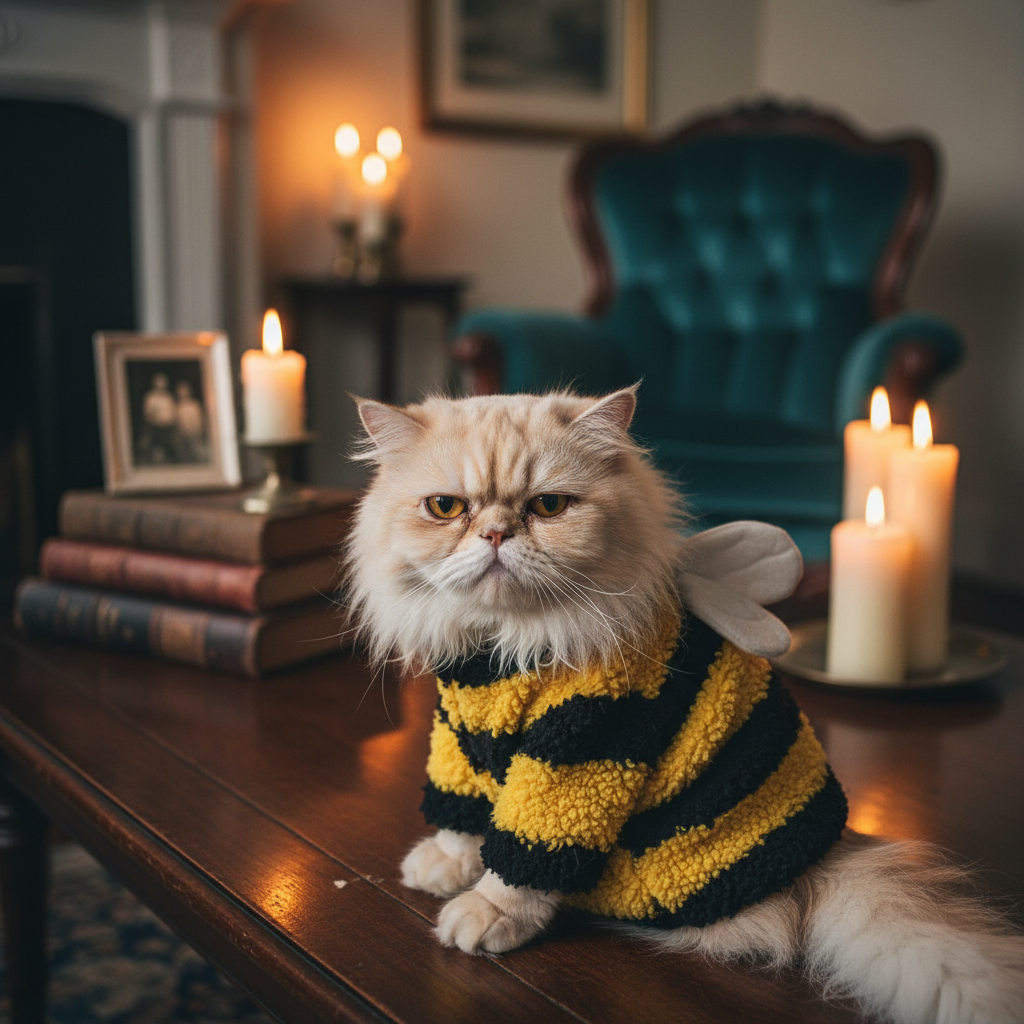
The Safety Concerns: More Than Just a Fashion Faux Pas
Beyond comfort, there are also significant safety concerns to consider when dressing up your pet. Costumes and accessories can pose a variety of hazards, from choking and entanglement to allergic reactions and even poisoning.
Small parts like buttons, beads, and ribbons can easily be chewed off and swallowed, leading to choking or intestinal blockages. Dangling accessories can get caught on furniture or other objects, causing your pet to become entangled and injured. And some fabrics and dyes can cause allergic reactions, leading to skin irritation, itching, and even breathing difficulties.
Furthermore, some costumes can actually impair your pet’s ability to move freely, making them more vulnerable to accidents. A dog in a bulky costume might be unable to run away from danger, while a cat in a restrictive outfit might be unable to jump to safety.
It’s also important to be mindful of the materials used in pet clothing. Some materials, like lead-based paints and certain types of plastic, can be toxic if ingested. Always choose clothing and accessories made from safe, non-toxic materials.
The Psychological Impact: Are You Humiliating Your Furry Friend?
While physical comfort and safety are paramount, it’s also important to consider the psychological impact of dressing up your pet. Animals are sensitive creatures, and they can pick up on our emotions and intentions. If you’re forcing your pet to wear something they clearly don’t like, they may become stressed, anxious, or even fearful.
Consider the dog who cowers and whimpers whenever you bring out the dreaded Christmas sweater. Or the cat who hides under the bed at the mere sight of the Halloween costume. These are clear signs that your pet is not enjoying the experience.
Forcing your pet to endure something they find unpleasant can damage your bond and erode their trust in you. They may start to associate you with negative experiences, leading to behavioral problems and a strained relationship.
Furthermore, some animals may feel humiliated or embarrassed by being dressed up. While we may find it amusing to see a dog in a silly hat, the dog may perceive it as a sign of weakness or vulnerability. This can be particularly detrimental to animals who are already insecure or anxious.
The Fine Line Between Fun and Exploitation
So, how do we strike a balance between wanting to express our love for our pets and respecting their well-being? How do we avoid crossing the line between harmless fun and outright exploitation?
The key is to prioritize your pet’s needs above your own desires. Always put their comfort, safety, and psychological well-being first. If they’re not enjoying the experience, don’t force it.
Choose clothing and accessories that are comfortable, safe, and appropriate for your pet’s breed, size, and temperament. Avoid anything that restricts their movement, impairs their senses, or poses a safety hazard.
And most importantly, pay attention to your pet’s body language. If they’re showing signs of stress, anxiety, or discomfort, remove the offending item immediately.
Remember, your pet’s love and affection are not contingent on them wearing a ridiculous outfit. They love you for who you are, not what you dress them up as.
Alternatives to Over-the-Top Outfits: Showing Your Love in Meaningful Ways
If you’re looking for ways to show your pet how much you care without resorting to questionable fashion choices, there are plenty of other options.
* **Spend quality time together:** Take your dog for a walk in the park, play fetch in the backyard, or simply cuddle up on the couch and watch a movie.
* **Provide enrichment activities:** Offer your cat a scratching post, a puzzle toy, or a window perch where they can watch the world go by.
* **Give them plenty of attention:** Talk to your pet, pet them, and let them know that you love them.
* **Provide healthy food and treats:** Nourish your pet with a balanced diet and offer them occasional treats as a reward for good behavior.
* **Groom them regularly:** Brush your pet’s fur, trim their nails, and clean their ears to keep them looking and feeling their best.
* **Train them:** Teach your pet basic commands and tricks to stimulate their mind and strengthen your bond.
* **Take them to the vet for regular checkups:** Ensure your pet is healthy and up-to-date on their vaccinations and preventative care.
These are just a few examples of how you can show your pet how much you care without subjecting them to the indignity of wearing a ridiculous outfit. The key is to focus on their needs and preferences, and to provide them with a loving and stimulating environment.
When is Pet Clothing Acceptable? Function Over Fashion
Now, before we completely condemn all forms of pet clothing, it’s important to acknowledge that there are certain situations where it can be beneficial or even necessary. The key here is functionality.
Consider the following scenarios:
* **Dogs with short hair or thin coats:** In cold climates, these dogs may benefit from wearing a sweater or coat to protect them from the elements.
* **Dogs with mobility issues:** A supportive harness can help dogs with arthritis or other mobility problems get around more easily.
* **Dogs recovering from surgery:** A recovery suit can prevent dogs from licking or scratching their incisions.
* **Dogs with anxiety:** A thunder shirt can help calm anxious dogs during thunderstorms or other stressful events.
* **Working dogs:** Service dogs, therapy dogs, and search and rescue dogs often wear vests or other gear to identify them and protect them from harm.
In these cases, clothing serves a practical purpose and can significantly improve the animal’s quality of life. However, it’s still important to choose items that are comfortable, safe, and appropriate for the animal’s needs.
The Anthropomorphism Trap: Projecting Human Desires onto Animals
One of the biggest pitfalls of pet ownership is anthropomorphism, the tendency to attribute human characteristics and emotions to animals. We see our pets as furry little humans, and we project our own desires and expectations onto them.
This can lead to a variety of problems, including unrealistic expectations, misinterpretation of behavior, and, yes, questionable fashion choices. We dress our pets in human clothing because we think it’s cute, without considering whether they actually enjoy it. We assume they share our sense of style and fashion, without realizing that they have entirely different priorities.
Anthropomorphism can also blind us to our pets’ actual needs. We may focus on providing them with material possessions, like fancy toys and expensive clothing, while neglecting their emotional and social needs. We may assume they’re happy and content, even when they’re actually feeling stressed, anxious, or lonely.
To be a responsible and compassionate pet owner, it’s important to recognize and avoid the anthropomorphism trap. Try to see your pet as an individual with their own unique needs and preferences, rather than as a miniature version of yourself.
The Instagram Effect: Are You Doing It For the ‘Gram?
In the age of social media, it’s easy to get caught up in the quest for likes and followers. Many pet owners dress up their animals for the sole purpose of posting photos and videos on Instagram, Facebook, and other platforms.
While there’s nothing inherently wrong with sharing photos of your pet online, it’s important to consider your motivations. Are you genuinely trying to express your love for your pet, or are you simply seeking attention and validation? Are you prioritizing your pet’s well-being, or are you sacrificing their comfort for the sake of a few likes?
The “Instagram effect” can lead to a variety of unethical practices, including dressing up pets in uncomfortable or even dangerous outfits, staging elaborate photo shoots that stress them out, and even exploiting them for commercial gain.
If you’re using your pet as a prop for social media, it’s time to re-evaluate your priorities. Remember, your pet is a living, breathing creature with feelings and needs. They’re not a toy or a fashion accessory.
The Bottom Line: Respect, Responsibility, and a Little Common Sense
Ultimately, the decision of whether or not to dress up your pet is a personal one. However, it’s a decision that should be made with careful consideration and a deep respect for your animal’s well-being.
Ask yourself these questions:
* Is it comfortable?
* Is it safe?
* Is it necessary?
* Is my pet enjoying it?
* Am I doing it for the right reasons?
If you can honestly answer yes to all of these questions, then go ahead and dress up your pet (within reason, of course). But if you have any doubts, err on the side of caution and prioritize their comfort and well-being above all else.
Remember, true love is not about forcing your pet to conform to your own desires. It’s about accepting them for who they are, and providing them with a loving and supportive environment where they can thrive. A happy, healthy pet is always the best-dressed pet.
So, the next time you’re tempted to squeeze your cat into a tiny tuxedo or force your dog into a miniature superhero costume, take a moment to pause and reflect. Ask yourself: am I doing this for my pet, or am I doing it for myself? The answer might surprise you. And more importantly, it might just save your furry friend from a fashion faux pas they’ll never forget. Let’s remember, our pets are family, and family deserves respect, even (and especially) when it comes to their wardrobe.

Hi, my name is Robert Max, I live in the United States and I’m the creator of InTechNews. I started this blog with the goal of sharing reliable and practical information about pet care, helping pet owners provide a healthier and happier life for their animals. I’m passionate about animal well-being and believe that good information makes all the difference in responsible pet ownership.