
The Unseen Pitfalls of Pet Care: Are You Really Doing What’s Best?
We shower our pets with affection, provide them with cozy beds, and meticulously measure out their kibble. We take pride in being responsible pet parents, convinced that we’re meeting all their needs and giving them the best possible life. But what if, despite our best intentions, we’re unknowingly falling into common pet care traps? What if some of the things we believe are beneficial are actually detrimental to our furry, scaled, or feathered companions? The truth is, pet care is a constantly evolving field, and outdated advice or well-meaning but misguided practices can have a surprisingly negative impact on our beloved animals.
This isn’t about guilt or shame. It’s about awareness and a commitment to continuous learning. It’s about questioning our assumptions and seeking out the most up-to-date information to ensure we’re truly providing the optimal care for our pets, not just the care we think is best.
The Illusion of a Balanced Diet: More Than Just Kibble
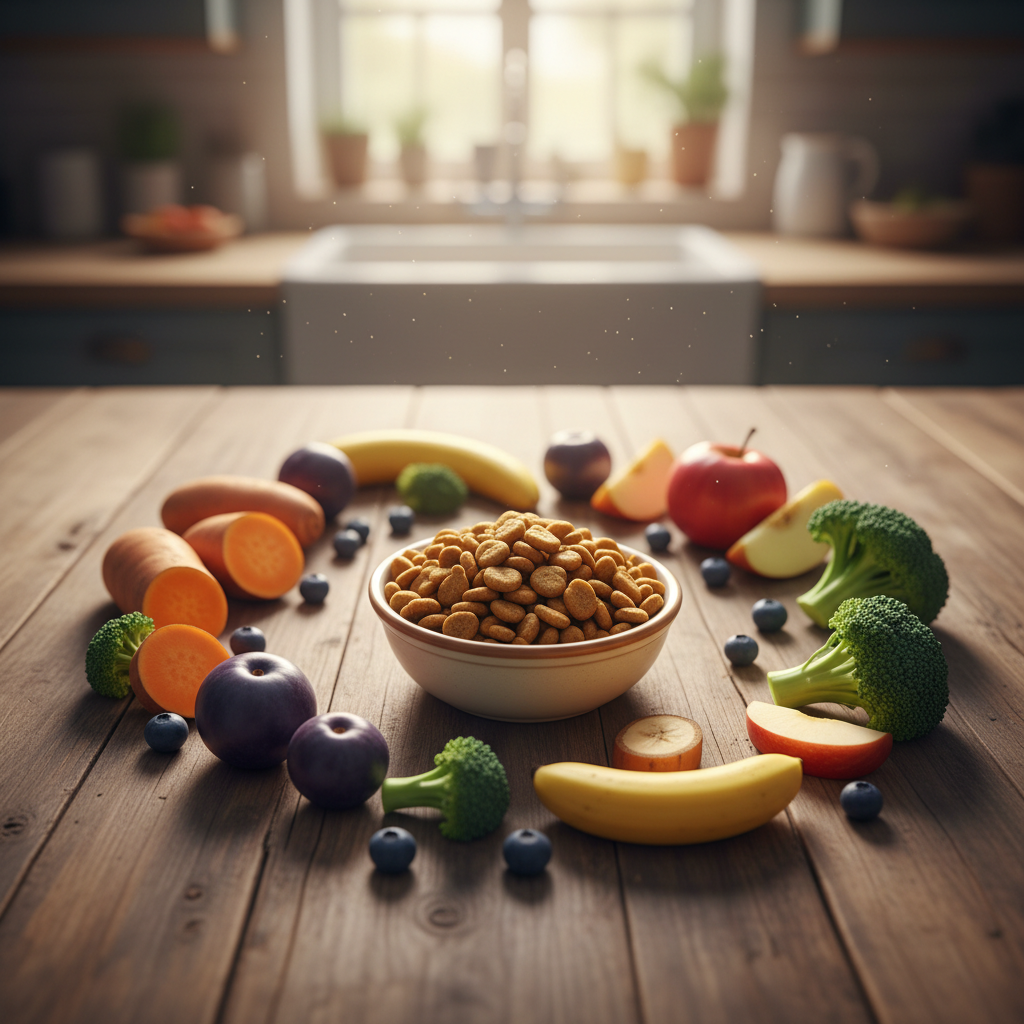
For many pet owners, “feeding time” means scooping kibble into a bowl. It’s convenient, readily available, and often marketed as a complete and balanced diet. But is it really enough? While high-quality kibble can provide essential nutrients, relying solely on it can lead to nutritional deficiencies and health problems down the line. Think of it like a human eating processed food for every meal – it might meet basic caloric needs, but it lacks the vital micronutrients and enzymes found in fresh, whole foods.
Consider the following:
- Ingredient Quality: Not all kibble is created equal. Many brands contain fillers, artificial preservatives, and low-quality protein sources that can be difficult for pets to digest.
- Lack of Moisture: Dry food lacks the moisture content that’s naturally present in a pet’s ancestral diet. This can contribute to dehydration and urinary tract issues, especially in cats.
- Processed Nature: The high-heat processing involved in making kibble can destroy valuable nutrients and enzymes, reducing its overall nutritional value.
So, what’s the solution? Supplementing your pet’s diet with fresh, whole foods can make a world of difference. This could include adding cooked or raw meat (depending on your pet’s needs and your comfort level), vegetables, fruits, and healthy oils. Consult with your veterinarian or a certified pet nutritionist to determine the best approach for your individual pet’s breed, age, and health condition. Remember, variety is the spice of life – and it’s just as important for our pets as it is for us.
Example: Sarah, a devoted dog owner, had been feeding her Labrador, Max, the same brand of kibble for years. Max seemed healthy enough, but he was always a bit sluggish and prone to skin allergies. After consulting with a veterinary nutritionist, Sarah started adding cooked sweet potato, blueberries, and a small amount of fish oil to Max’s meals. Within weeks, Max’s energy levels soared, his skin cleared up, and he seemed happier and more vibrant overall. Sarah realized that even though she thought she was providing Max with a complete diet, he was actually missing out on essential nutrients that were readily available in fresh foods.
The Myth of Constant Companionship: Understanding Your Pet’s Need for Alone Time
We love our pets, and we want to spend as much time with them as possible. We shower them with attention, take them on walks, and include them in our daily activities. But sometimes, our desire to be constantly connected can actually be detrimental to their well-being. Just like humans, pets need their alone time to rest, recharge, and process their experiences. Over-stimulation and a lack of personal space can lead to stress, anxiety, and behavioral problems.
Consider these points:
- Individual Personalities: Some pets are naturally more independent than others. Respect your pet’s individual personality and allow them to have their own space.
- Stress Reduction: A quiet, comfortable space where your pet can retreat when they feel overwhelmed is essential for stress reduction.
- Preventing Dependence: Constantly being around your pet can inadvertently create a dependence that can lead to separation anxiety when you’re not around.
How can you ensure your pet is getting enough alone time? Provide them with a safe and comfortable space where they can retreat without being disturbed. This could be a crate, a bed in a quiet room, or even just a corner of the house that’s designated as their own. Avoid constantly interrupting their naps or playtime, and allow them to initiate interactions. By respecting their need for space, you’ll be fostering a healthier and more balanced relationship.
Case Study: Emily adopted a rescue cat named Luna who was initially very clingy. Emily, wanting to make Luna feel loved and secure, spent almost all her free time with her, constantly petting and playing with her. However, Luna’s clinginess only intensified, and she started exhibiting signs of anxiety, such as excessive meowing and destructive scratching when Emily was away. A behaviorist suggested that Emily create a safe space for Luna and gradually increase the amount of time she spent alone. Slowly but surely, Luna became more independent and less anxious, learning to enjoy her own company and becoming a much happier cat overall.
The Dangers of Over-Bathing: Stripping Away Natural Protection
We want our pets to be clean and fresh-smelling, and regular baths seem like the obvious solution. However, over-bathing can actually do more harm than good. Frequent washing strips away the natural oils that protect your pet’s skin and coat, leading to dryness, irritation, and an increased risk of skin infections. Think of it like washing your hair every day – it might feel clean initially, but it quickly becomes dry, brittle, and prone to damage.
Here’s why moderation is key:
- Natural Oils: These oils are essential for maintaining healthy skin and a shiny coat. They also act as a barrier against bacteria and other harmful microorganisms.
- Skin Sensitivity: Pets have more sensitive skin than humans, making them more susceptible to irritation from harsh shampoos and frequent washing.
- Underlying Conditions: Over-bathing can exacerbate existing skin conditions, such as allergies and dermatitis.
How often should you bathe your pet? It depends on several factors, including their breed, lifestyle, and skin condition. In general, most dogs only need to be bathed every few months, unless they get particularly dirty or smelly. Cats are even less reliant on baths, as they are meticulous groomers themselves. When you do bathe your pet, use a gentle, pet-specific shampoo that’s formulated to protect their natural oils. Avoid harsh detergents or human shampoos, which can be too drying and irritating. And always rinse thoroughly to remove any residue.
Example: David, a first-time dog owner, was obsessed with keeping his Samoyed, Cloud, perfectly white and fluffy. He bathed Cloud every week, using a whitening shampoo he found online. Initially, Cloud’s coat looked amazing, but over time, it became dry, brittle, and prone to matting. Cloud also started scratching excessively, and David noticed red, irritated patches on his skin. A veterinarian diagnosed Cloud with dermatitis, caused by over-bathing and the harsh shampoo. David learned a valuable lesson about the importance of moderation and the need to protect his dog’s natural oils.

The Misunderstood World of Pet Treats: Quality Over Quantity
Treats are a wonderful way to reward our pets and strengthen the bond between us. But many commercially available treats are loaded with sugar, salt, artificial flavors, and other unhealthy ingredients. Giving your pet too many of these treats can lead to weight gain, dental problems, and even more serious health issues like diabetes. It’s like constantly rewarding a child with candy – it might make them happy in the moment, but it’s not a sustainable or healthy practice.
Things to consider when choosing treats:
- Ingredient List: Look for treats with simple, natural ingredients. Avoid those that contain artificial additives, fillers, or excessive amounts of sugar or salt.
- Calorie Content: Be mindful of the calorie content of treats and adjust your pet’s main meals accordingly. Treats should only make up a small percentage of their daily caloric intake.
- Nutritional Value: Opt for treats that offer some nutritional benefit, such as those made with fruits, vegetables, or lean protein.
What are some healthy treat alternatives? Consider offering your pet small pieces of cooked chicken, carrots, apple slices, or blueberries. You can also make your own homemade treats using healthy ingredients. Remember, the goal is to provide a tasty and rewarding snack without compromising your pet’s health.
Case Study: Maria loved spoiling her Chihuahua, Peanut, with treats. She bought Peanut a variety of commercially available treats, often giving him several throughout the day. Peanut quickly gained weight and developed dental problems. A veterinarian warned Maria that Peanut was at risk of developing diabetes if she didn’t change his diet. Maria started replacing Peanut’s unhealthy treats with small pieces of cooked chicken and carrots. Peanut gradually lost weight, his dental health improved, and he became more energetic and playful. Maria realized that she could show Peanut love and affection without resorting to unhealthy treats.
The Overlooked Importance of Mental Stimulation: Keeping Their Minds Active
We often focus on our pet’s physical needs, such as food, exercise, and grooming. But mental stimulation is just as important for their overall well-being. A bored and under-stimulated pet can develop behavioral problems, such as excessive barking, chewing, and digging. Think of it like being stuck in a monotonous job with no challenges or opportunities for growth – it can lead to frustration, apathy, and even depression.
How to provide mental stimulation:
- Interactive Toys: Puzzle toys, treat-dispensing toys, and other interactive toys can challenge your pet’s mind and keep them entertained for hours.
- Training and Games: Teaching your pet new tricks, playing fetch, or engaging in other games can provide mental stimulation and strengthen the bond between you.
- Environmental Enrichment: Providing your pet with a stimulating environment can also help keep them mentally engaged. This could include adding climbing structures for cats, creating digging areas for dogs, or simply rotating their toys regularly.
Don’t underestimate the power of a simple walk in a new location. The sights, smells, and sounds can provide valuable mental stimulation for your pet. The key is to find activities that your pet enjoys and that challenge their mind in a positive way. A mentally stimulated pet is a happier, healthier, and more well-behaved pet.
Example: Robert adopted a high-energy Border Collie named Ace. Robert focused primarily on providing Ace with plenty of physical exercise, taking him for long runs and hikes every day. However, Ace still seemed restless and destructive when they were at home. A dog trainer suggested that Robert incorporate more mental stimulation into Ace’s routine. Robert started using puzzle toys, teaching Ace new tricks, and enrolling him in agility classes. Ace quickly became more focused, calmer, and less destructive at home. Robert realized that Ace needed more than just physical exercise – he also needed a way to challenge his brilliant mind.

The Silent Threat of Dental Neglect: More Than Just Bad Breath
Many pet owners overlook dental care, assuming that it’s not as important as other aspects of their pet’s health. However, dental disease is incredibly common in pets, and it can have serious consequences if left untreated. Plaque and tartar buildup can lead to gum disease, tooth loss, and even systemic infections that can affect the heart, liver, and kidneys. It’s like ignoring a persistent toothache – it might seem manageable at first, but it can eventually lead to more serious complications.
Steps for proper dental care:
- Regular Brushing: Brushing your pet’s teeth regularly is the most effective way to prevent plaque and tartar buildup. Use a pet-specific toothbrush and toothpaste, and aim to brush at least a few times a week.
- Dental Chews and Toys: Dental chews and toys can help remove plaque and tartar as your pet chews. Look for products that are specifically designed for dental health.
- Professional Cleanings: Regular professional dental cleanings are essential for removing stubborn plaque and tartar and for detecting and treating any underlying dental problems.
Don’t wait until your pet develops obvious signs of dental disease, such as bad breath, bleeding gums, or difficulty eating. Start incorporating dental care into their routine early on, and schedule regular checkups with your veterinarian.
Case Study: Susan noticed that her cat, Whiskers, had terrible breath and was starting to drool excessively. She took Whiskers to the veterinarian, who diagnosed her with severe dental disease. Whiskers needed to have several teeth extracted, and Susan was shocked to learn that the infection had spread to her kidneys. Susan regretted not taking better care of Whiskers’ teeth and vowed to be more proactive about her dental health in the future. She started brushing Whiskers’ remaining teeth regularly and scheduling professional cleanings every year.
The Ever-Evolving World of Veterinary Medicine: Staying Informed and Proactive
Veterinary medicine is constantly evolving, with new discoveries and advancements being made all the time. What was considered best practice a few years ago may no longer be the case today. It’s crucial to stay informed about the latest recommendations for your pet’s health and well-being. Don’t rely solely on outdated information or anecdotal advice. Consult with your veterinarian regularly, and be open to learning new things. Ask questions, do your research, and be an active participant in your pet’s healthcare.
Things to keep up with:
- Vaccination Protocols: Vaccination protocols are constantly being updated based on the latest research. Discuss with your veterinarian which vaccines are necessary for your pet and how often they should be administered.
- Parasite Prevention: Parasite prevention is essential for protecting your pet from fleas, ticks, heartworms, and other harmful parasites. Talk to your veterinarian about the best preventative medications for your pet’s lifestyle and risk factors.
- Nutrition and Exercise: As we’ve discussed, nutrition and exercise are crucial for your pet’s overall health. Stay informed about the latest recommendations for your pet’s breed, age, and health condition.
By staying informed and proactive, you can ensure that your pet receives the best possible care and enjoys a long and healthy life. The key is to view pet care as a continuous learning process, always seeking out new information and adapting your approach as needed.

Ultimately, caring for our pets is a journey of love, learning, and adaptation. By questioning our assumptions, seeking out reliable information, and being open to new approaches, we can ensure that we’re truly providing the best possible life for our furry, scaled, or feathered companions. It’s not about being perfect, it’s about striving to be better, constantly evolving our practices to meet the ever-changing needs of our beloved animals.

Hi, my name is Robert Max, I live in the United States and I’m the creator of InTechNews. I started this blog with the goal of sharing reliable and practical information about pet care, helping pet owners provide a healthier and happier life for their animals. I’m passionate about animal well-being and believe that good information makes all the difference in responsible pet ownership.