
Are We Misunderstanding Our Pets’ Play?
We shower our beloved pets with toys, mountains of them, often believing we’re enriching their lives. We choose bright colors, quirky shapes, and the latest gadgets, all with the best intentions. But have you ever stopped to consider whether these well-meaning purchases are truly aligned with your pet’s intrinsic needs? Are we, in our eagerness to provide, actually missing the mark and perhaps even hindering their natural instincts?
It’s a question that deserves serious consideration. We anthropomorphize our pets, projecting our own desires and preferences onto them. We assume they want the same things we do – comfort, novelty, and entertainment. But what if their definition of “fun” is fundamentally different from ours? What if the toys we carefully select are, in their eyes, nothing more than brightly colored distractions that fail to satisfy their primal urges?
The Illusion of Choice
Consider the sheer volume of pet toys available today. From interactive puzzles to plush replicas of their favorite foods (ironic, isn’t it?), the options seem endless. Marketing campaigns bombard us with images of happy pets gleefully engaging with the latest must-have item. We buy into the hype, convinced that this particular toy will be the key to unlocking our pet’s ultimate happiness. But is it really about choice, or are we being cleverly manipulated by clever marketing ploys?
Think about a cat, for example. Their hunting instincts are deeply ingrained. A laser pointer, while initially engaging, provides only fleeting satisfaction. It mimics the chase, but never the capture. The cat never gets to sink its teeth into its “prey,” never experiences the satisfaction of the hunt fulfilled. Is this truly enriching their life, or simply teasing them with an unattainable goal? Similarly, a dog bred to herd sheep might find little joy in a squeaky toy when what they truly crave is the mental and physical challenge of guiding a flock.
We need to move beyond the surface level and delve deeper into understanding what truly motivates our pets. It’s about recognizing their inherent drives and providing outlets that allow them to express these instincts in a safe and constructive manner.
Unearthing the Primal Play Instincts
To truly understand what kind of toys resonate with our pets, we need to look back to their origins. Understanding their evolutionary history and the behaviors that were crucial for their survival can provide invaluable insights into their current needs and desires.
The Hunter’s Heart: Toys for Predatory Prowess
For cats, the hunting instinct is paramount. Think about the stalking, pouncing, and capturing behaviors they exhibit, even when presented with a full bowl of food. This isn’t about hunger; it’s about fulfilling a deeply ingrained drive. Toys that tap into this instinct are far more likely to be engaging and satisfying.
Examples:
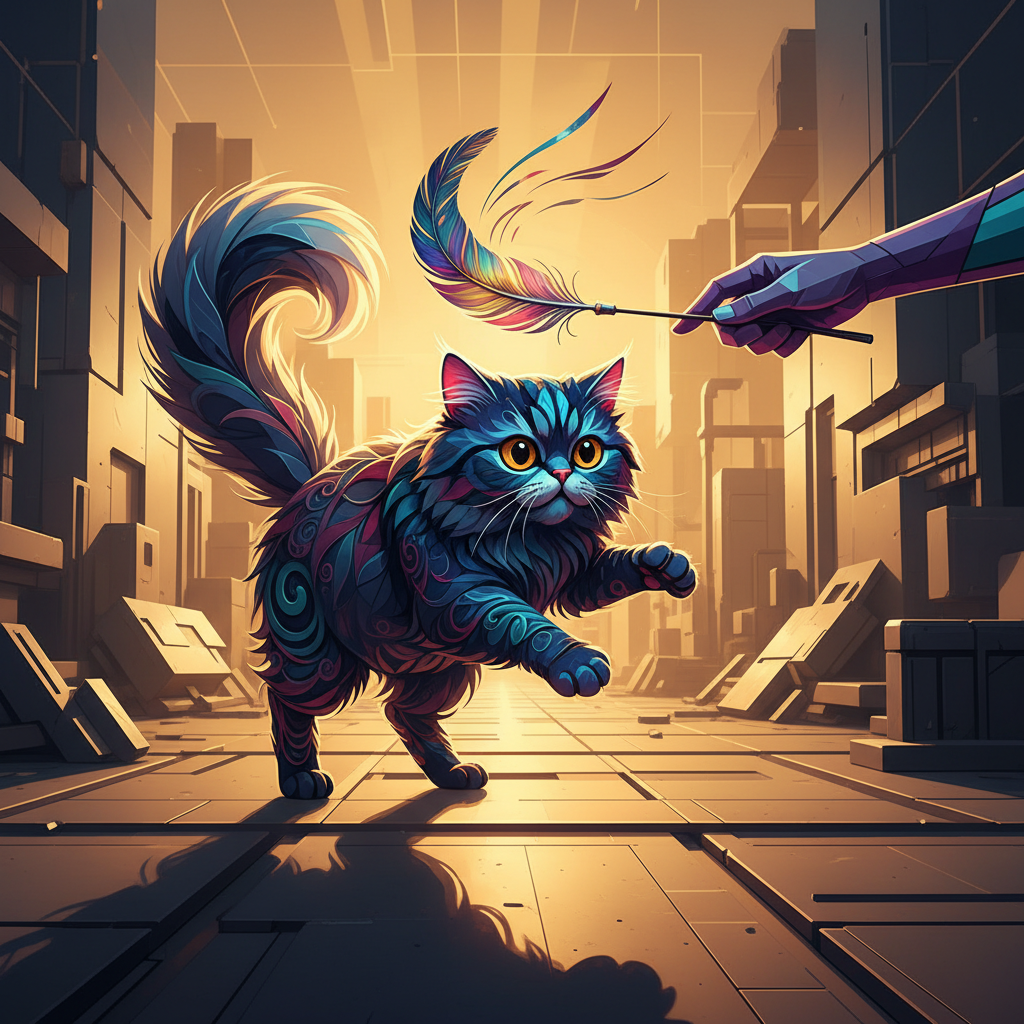
- Feather wands: Mimic the movement of birds, stimulating the chase and capture sequence.
- Puzzle feeders: Require cats to “hunt” for their food, engaging their problem-solving skills and predatory instincts.
- Catnip-filled toys: Catnip triggers a euphoric response that can heighten their playfulness and predatory drive.
Even the type of texture matters. Cats often prefer toys with feathers, fur, or rough surfaces that mimic the feel of prey. Consider the size and weight, too – a toy that’s too large or heavy might be difficult for them to manipulate and “kill.”
The Herder’s Heritage: Channeling Instincts into Play
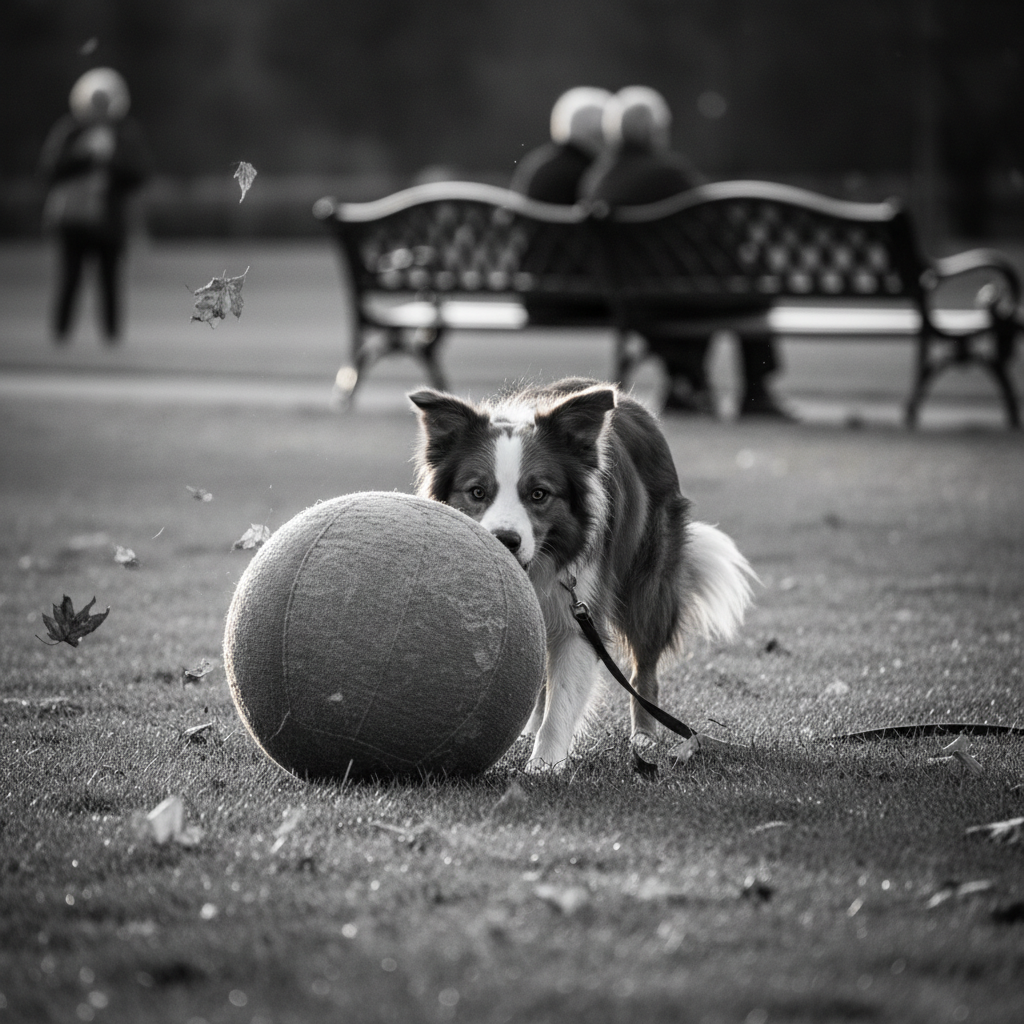
Dogs, with their diverse breeds and lineages, present a more varied set of needs. Herding breeds, for example, thrive on mental stimulation and the challenge of controlling movement. Toys that allow them to exercise these skills can be incredibly rewarding.
Examples:
- Herding balls: Large, durable balls that dogs can push and herd around, mimicking the act of controlling livestock.
- Agility equipment: Provides a physical and mental challenge, allowing them to practice their herding skills in a controlled environment.
- Puzzle toys: Require dogs to solve problems and manipulate objects to access treats, engaging their intelligence and herding instincts.
Retrieving breeds, on the other hand, have a strong desire to fetch and carry objects. Toys that satisfy this instinct, like durable balls and retrieving dummies, can provide hours of entertainment. It’s crucial to choose toys that are the appropriate size and weight for your dog’s breed and size to prevent injury.
The Digger’s Delight: Satisfying the Urge to Unearth
Some dogs, particularly terriers, have a strong instinct to dig. While this behavior can be frustrating for owners who value their gardens, it’s important to recognize that it’s a natural and deeply ingrained drive. Providing appropriate outlets for digging can help prevent destructive behavior.
Examples:
- Digging boxes: Designated areas filled with sand or dirt where dogs can dig to their heart’s content.
- Burrowing toys: Plush toys with hidden compartments where you can hide treats, encouraging dogs to “dig” for their reward.
- Snuffle mats: Mats with fabric strips where you can hide kibble or treats, stimulating their sense of smell and encouraging them to “forage.”
By understanding these primal instincts, we can choose toys that are not only fun but also fulfilling for our pets. It’s about providing opportunities for them to express their natural behaviors in a safe and enriching environment.
Beyond the Store-Bought: Embracing Natural Materials
While there’s a place for commercially produced pet toys, we should also consider incorporating natural materials into their play. These materials can often provide a more stimulating and satisfying experience, tapping into their primal senses and instincts.
The Appeal of Wood: A Connection to Nature
Wood offers a unique texture and scent that can be incredibly appealing to dogs. Chewing on wood can help satisfy their natural urge to gnaw and explore with their mouths. However, it’s crucial to choose wood that is safe and non-toxic. Avoid treated wood or wood that splinters easily.
Examples:
- Natural branches: Untreated branches from dog-safe trees like apple or maple can provide hours of chewing entertainment.
- Wooden chew toys: Durable wooden toys designed specifically for dogs can withstand heavy chewing.
- Driftwood: Smooth, naturally weathered driftwood can be a fascinating object for dogs to explore and chew on.
Always supervise your dog when they’re chewing on wood to ensure they don’t ingest large pieces that could cause digestive problems.
The Fascination with Feathers: A Sensory Delight
Feathers, with their delicate texture and unpredictable movement, can be incredibly captivating for cats. They stimulate their hunting instincts and provide a sensory experience that is both stimulating and satisfying.
Examples:
- Feather wands: As mentioned earlier, feather wands are a classic cat toy that never fails to engage their predatory drive.
- Feather toys: Small, lightweight toys adorned with feathers that cats can bat and chase.
- Bird-watching opportunities: Simply providing a window with a view of birds can be a source of endless entertainment for cats.
Ensure that any feather toys are made with safe, non-toxic materials and that the feathers are securely attached to prevent ingestion.
The Allure of Rope: A Textural Temptation
Rope toys are a popular choice for dogs, offering a satisfying texture for chewing and tugging. The natural fibers can help clean their teeth and massage their gums. Choose rope toys made from natural, undyed fibers like cotton or hemp.
Examples:
- Tug-of-war ropes: Durable rope toys designed for interactive play, allowing you and your dog to engage in a friendly tug-of-war.
- Rope balls: Balls made from tightly woven rope that provide a challenging and satisfying chewing experience.
- Rope knots: Simple knots tied in rope that dogs can chew on and unravel.
Regularly inspect rope toys for fraying and replace them when they become excessively worn to prevent your dog from ingesting loose strands.
The Importance of Variety and Rotation
Even the most engaging toys can lose their appeal over time if they’re constantly available. Just like humans, pets can become bored with the same old routine. To keep them interested and stimulated, it’s essential to provide variety and rotate their toys regularly.
The Magic of Mystery: Keeping Toys Fresh
Think of it like this: a child who receives a mountain of toys on Christmas morning is often overwhelmed and quickly loses interest. But a child who receives a single, carefully chosen toy is more likely to appreciate it and engage with it for a longer period of time. The same principle applies to pets.
By rotating their toys, you create a sense of novelty and excitement. Put away some of their toys and reintroduce them a few weeks later. It will be like they’re discovering them for the first time, and they’ll be much more likely to engage with them enthusiastically.
The Power of Playtime: Interactive Engagement
Toys are just tools. The real magic happens when you engage with your pet during playtime. Interactive play strengthens the bond between you and your pet and provides them with much-needed social interaction. It’s not just about providing them with something to do; it’s about sharing an experience together.
Take the time to play fetch with your dog, chase a feather wand with your cat, or simply sit and cuddle while they chew on their favorite toy. These moments of connection are just as important as the toys themselves.
The Observation Advantage: Tailoring to Preferences
Pay close attention to your pet’s behavior during playtime. What toys do they gravitate towards? How do they interact with them? Do they prefer to chase, pounce, chew, or tug? By observing their preferences, you can tailor their toy selection to their individual needs and desires. One dog might adore a frisbee, while another might prefer a plush toy to cuddle with. Each pet is unique, and their toy preferences should reflect that.

Beyond the Toy Box: Enriching Their Environment
Providing appropriate toys is just one piece of the puzzle. To truly enrich your pet’s life, it’s important to consider their overall environment. A stimulating and engaging environment can help reduce boredom, prevent destructive behavior, and promote overall well-being.
The Scent of Adventure: Sensory Exploration
Scent is a powerful sense for pets, particularly dogs. Providing opportunities for them to explore different scents can be incredibly enriching. Consider taking them on walks in new and interesting environments, allowing them to sniff and explore to their heart’s content. You can also hide treats around the house and encourage them to use their nose to find them.
For cats, providing catnip or other aromatic herbs can create a stimulating and enjoyable experience. You can also create a sensory garden with cat-friendly plants like catmint and lavender.
The Climbing Kingdom: Vertical Stimulation
Cats are natural climbers, and providing them with vertical space can greatly enhance their environment. Cat trees, shelves, and window perches allow them to observe their surroundings from a higher vantage point, satisfying their natural instincts.
Even for dogs, providing a comfortable and elevated resting place can be beneficial. A dog bed placed near a window allows them to keep an eye on their territory and soak up some sunlight.
The Social Butterfly: Interaction and Companionship
Pets are social creatures, and they thrive on interaction and companionship. Make sure to spend quality time with your pet each day, engaging in activities they enjoy. This could include playing games, going for walks, or simply cuddling on the couch.
If you work long hours or are unable to provide your pet with enough social interaction, consider hiring a pet sitter or dog walker to provide them with companionship and exercise. Socialization with other animals can also be beneficial, but it’s important to introduce them gradually and supervise their interactions.

Rethinking Our Approach: A Mindful Playtime
Ultimately, choosing the right toys for our pets is about more than just buying the latest and greatest gadgets. It’s about understanding their individual needs, respecting their natural instincts, and providing them with opportunities to express those instincts in a safe and enriching environment. It requires a shift in perspective, moving away from anthropomorphism and embracing a more holistic understanding of their unique needs and desires.
So, the next time you’re browsing the pet store aisles, take a moment to pause and reflect. Ask yourself: “Is this toy truly aligned with my pet’s innate drives?” “Does it provide them with an opportunity to express their natural behaviors?” “Will it enrich their life in a meaningful way?” By asking these questions, you can make more informed choices and provide your pet with toys that are not only fun but also deeply fulfilling.
Let’s move beyond the superficial and embrace a more mindful approach to playtime. Let’s create a world where our pets are not just entertained, but truly enriched, by the toys we choose for them. It’s a world where their primal instincts are celebrated, their unique needs are met, and their lives are filled with joy, purpose, and a deep sense of connection.

Hi, my name is Robert Max, I live in the United States and I’m the creator of InTechNews. I started this blog with the goal of sharing reliable and practical information about pet care, helping pet owners provide a healthier and happier life for their animals. I’m passionate about animal well-being and believe that good information makes all the difference in responsible pet ownership.