
The Illusion of a Well-Fed Pet: Are You Really Providing Optimal Nutrition?
We all love our pets. They’re family. And like any member of the family, we want to provide them with the best possible care, starting with their diet. Walk down any pet food aisle, and you’re bombarded with options promising optimal health, shiny coats, and boundless energy. But behind the glossy packaging and clever marketing, lies a stark reality: many of our pets are far from optimally nourished. We *think* we’re doing the right thing, scooping kibble into their bowls day after day, but are we truly understanding what our beloved companions need to thrive?
The problem isn’t necessarily malicious intent. It’s often a lack of awareness, coupled with the convenience that processed pet food offers. We’re busy, and grabbing a bag of kibble is undeniably easier than preparing a balanced, home-cooked meal. But is that convenience worth sacrificing the long-term health and well-being of our furry friends? Consider the ingredients list on your pet’s food. Can you pronounce everything? Do you know what each ingredient contributes to your pet’s overall health? The answers to these questions might surprise you.
The Hidden Costs of Convenience: Unmasking the Truth About Processed Pet Food
Processed pet food, while convenient, often falls short in providing the complete and balanced nutrition our pets require. Think about it: these foods are often subjected to high-heat processing, which can destroy vital nutrients and enzymes. The addition of artificial preservatives, colors, and flavors further compromises the nutritional value and can even contribute to health problems down the line. While these additives might make the food more palatable to your pet (and visually appealing to you), they offer little to no nutritional benefit. In fact, they can be downright harmful.
Take, for example, the common ingredient “meat meal.” While it sounds nutritious, it’s often a rendered product made from leftover animal parts, including bones, organs, and tissues that are deemed unfit for human consumption. The quality of the meat meal can vary greatly depending on the source, and it’s often lacking in essential amino acids and other vital nutrients. Similarly, many commercial pet foods rely heavily on grains like corn and wheat as fillers. These grains are inexpensive and provide carbohydrates, but they can be difficult for some pets to digest and can contribute to allergies and sensitivities. Dogs and cats are carnivores, and while they can tolerate some grains, their digestive systems are best suited for a diet rich in protein and healthy fats.
Consider the case of Sarah, a cat owner who diligently fed her feline companion, Whiskers, a popular brand of dry cat food. Whiskers initially seemed healthy, but over time, Sarah noticed that he was becoming increasingly lethargic and his coat was losing its luster. After consulting with a veterinarian, Sarah learned that Whiskers was likely suffering from nutrient deficiencies due to the low-quality ingredients in his food. She switched Whiskers to a homemade diet consisting of lean meat, vegetables, and a small amount of rice, and within weeks, Whiskers was back to his old self, full of energy and sporting a shiny, healthy coat. Sarah’s experience highlights the importance of questioning the ingredients in your pet’s food and understanding the potential impact on their health.

The Routine Trap: How Habits Can Blind You to Your Pet’s Needs
We are creatures of habit. We find a routine that works and stick to it, often without questioning whether it’s truly the best option. This tendency can easily extend to our pet’s diet. We find a brand of food that they seem to enjoy, and we continue to feed it to them day after day, year after year, without considering whether their nutritional needs might be changing. This is where the “routine trap” comes into play. We become so accustomed to our pet’s feeding routine that we fail to notice subtle signs that they might not be getting the nutrition they need.
Think about it: a puppy’s nutritional needs are vastly different from those of a senior dog. A growing puppy requires a diet rich in protein and calcium to support bone and muscle development, while a senior dog might benefit from a diet that’s lower in calories and higher in fiber to maintain a healthy weight and digestive system. Similarly, a highly active dog will require more calories and protein than a sedentary dog. Failing to adjust your pet’s diet to their changing needs can lead to a variety of health problems, including obesity, muscle loss, joint pain, and digestive issues.
Beyond the Bowl: Recognizing the Signs of Nutritional Deficiencies
It’s crucial to be observant and attuned to your pet’s individual needs. Look beyond the empty bowl and pay attention to subtle signs that could indicate nutritional deficiencies. A dull coat, excessive shedding, skin problems, lethargy, digestive issues, and weight changes can all be signs that your pet isn’t getting the nutrition they need. Regular veterinary checkups are also essential for detecting potential health problems early on. Your veterinarian can perform blood tests and other diagnostic procedures to assess your pet’s overall health and identify any nutritional deficiencies.
Consider the example of Mark, who owned a Labrador Retriever named Buddy. Mark had been feeding Buddy the same brand of dry dog food for years, and Buddy seemed to be doing well. However, as Buddy aged, Mark noticed that he was becoming increasingly stiff and reluctant to go for walks. After consulting with a veterinarian, Mark learned that Buddy was suffering from osteoarthritis, a common condition in older dogs. The veterinarian recommended a diet rich in omega-3 fatty acids and glucosamine to support joint health. Mark switched Buddy to a new food that contained these ingredients, and within a few weeks, Buddy’s mobility improved significantly. Mark’s experience highlights the importance of adapting your pet’s diet to their changing needs and seeking veterinary advice when you notice any signs of health problems.
The key takeaway here is to be proactive. Don’t just blindly follow a routine. Continuously evaluate your pet’s health and adjust their diet accordingly. Educate yourself about pet nutrition and learn to recognize the signs of nutritional deficiencies. By being attentive and informed, you can ensure that your pet is getting the optimal nutrition they need to thrive.

Rethinking Pet Food: Exploring Alternatives and Personalized Nutrition
If you’re starting to question the nutritional value of your pet’s current diet, you’re not alone. Many pet owners are seeking alternatives to traditional processed pet food, and for good reason. There are a variety of options available, each with its own set of benefits and drawbacks. The key is to find a solution that aligns with your pet’s individual needs and your lifestyle.
One popular alternative is raw feeding, which involves feeding your pet a diet of raw meat, bones, and organs. Proponents of raw feeding argue that it more closely mimics the natural diet of dogs and cats and provides a higher concentration of essential nutrients. However, raw feeding can also be challenging and requires careful planning to ensure that the diet is balanced and safe. It’s essential to consult with a veterinarian or a certified pet nutritionist before switching to a raw food diet.
Homemade Diets: The Power of Personalized Nutrition
Another option is to prepare homemade meals for your pet. This allows you to control every ingredient and ensure that your pet is getting the specific nutrients they need. However, homemade diets also require careful planning and research to ensure that they are complete and balanced. It’s crucial to work with a veterinarian or a certified pet nutritionist to develop a recipe that meets your pet’s individual needs. A balanced homemade diet can be incredibly beneficial, allowing you to cater specifically to allergies, sensitivities, or other health concerns. For instance, if your dog has a chicken allergy, you can easily create a diet using alternative protein sources like lamb or fish.
Consider the story of Emily, who owned a French Bulldog named Winston. Winston had a history of digestive issues and skin allergies, and Emily had struggled to find a commercial pet food that didn’t trigger his symptoms. After consulting with a veterinary nutritionist, Emily decided to try a homemade diet for Winston. The nutritionist developed a recipe that was specifically tailored to Winston’s needs, using ingredients that were easily digestible and hypoallergenic. Within weeks of switching to the homemade diet, Winston’s digestive issues resolved, and his skin allergies cleared up. Emily’s experience demonstrates the power of personalized nutrition in addressing specific health concerns.
The Rise of Subscription Services and Fresh Food Delivery
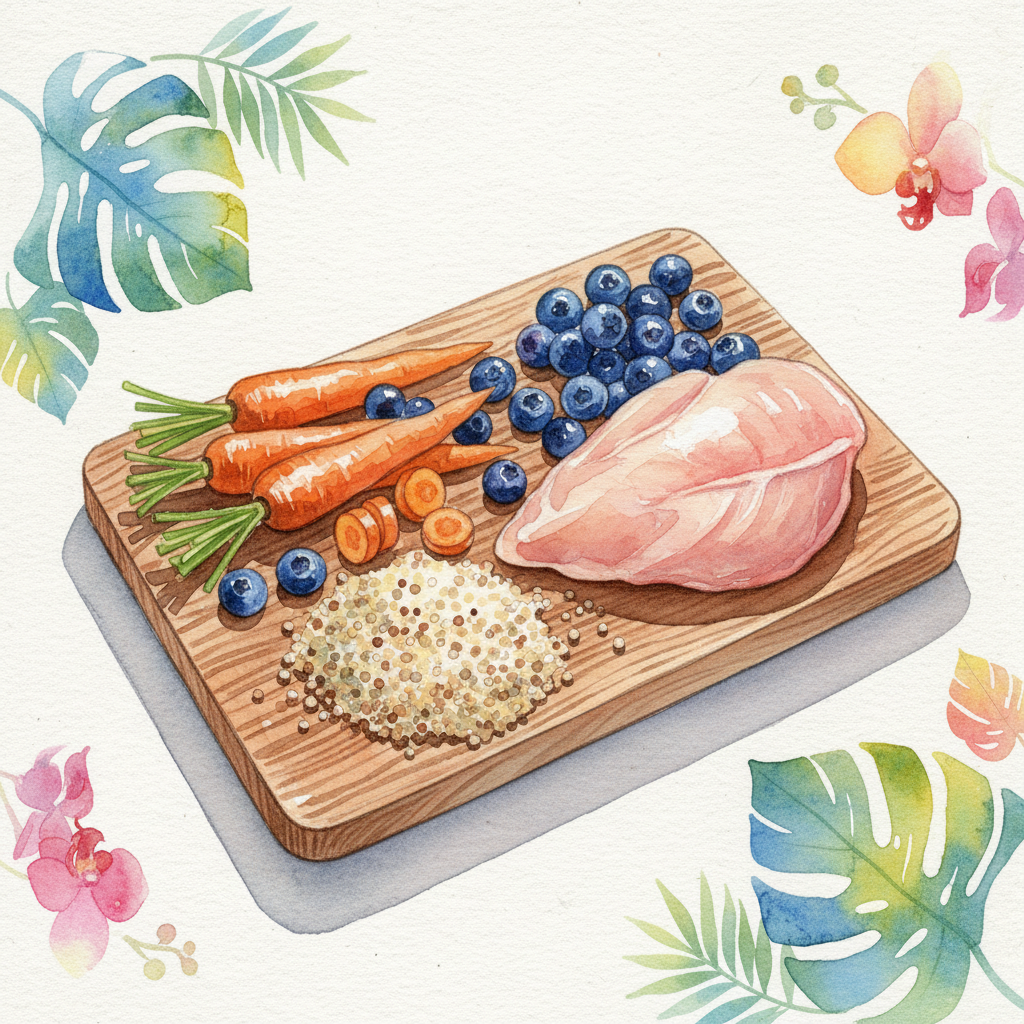
For those who don’t have the time or expertise to prepare raw or homemade meals, there are now several subscription services that deliver fresh, human-grade pet food directly to your door. These services typically offer customized meal plans based on your pet’s age, breed, weight, and activity level. While these options can be more expensive than traditional pet food, they offer the convenience of pre-portioned meals made with high-quality ingredients. They often use fresh, whole ingredients like lean meats, vegetables, and fruits, and avoid artificial preservatives, colors, and flavors. They also often include prebiotics and probiotics to support gut health, an essential component of overall well-being. This convenience is particularly beneficial for busy pet owners who want to provide their pets with the best possible nutrition without spending hours in the kitchen. However, it’s important to research these companies thoroughly, checking for transparency in ingredient sourcing and quality control measures.
Regardless of which alternative you choose, it’s essential to do your research and consult with a veterinarian or a certified pet nutritionist to ensure that your pet is getting the complete and balanced nutrition they need to thrive. Remember, every pet is different, and what works for one pet might not work for another. The key is to be observant, informed, and willing to adapt your pet’s diet to their changing needs.
Empowering Yourself: Becoming a Savvy Pet Food Consumer
The pet food industry can be confusing and overwhelming. With so many brands and products vying for your attention, it’s easy to feel lost. But by arming yourself with knowledge and developing critical thinking skills, you can become a savvy pet food consumer and make informed decisions about what you feed your furry friend. Start by learning how to read pet food labels. Understanding the ingredients list, guaranteed analysis, and feeding guidelines is essential for evaluating the nutritional value of a pet food.
Pay close attention to the order of ingredients listed on the label. Ingredients are listed in descending order by weight, so the first few ingredients make up the bulk of the food. Look for foods that list a high-quality protein source, such as meat, poultry, or fish, as the first ingredient. Avoid foods that list grains like corn and wheat as the primary ingredients, as these are often used as fillers and provide little nutritional value. The guaranteed analysis provides information about the levels of protein, fat, fiber, and moisture in the food. These values can help you assess whether the food meets your pet’s specific nutritional needs. However, it’s important to remember that the guaranteed analysis only provides minimum or maximum values, not the actual amounts of each nutrient. Also, be skeptical of marketing buzzwords like “natural” and “holistic.” These terms are often used loosely and don’t necessarily guarantee that the food is of high quality. Do your research and look for foods that are backed by scientific evidence and made with high-quality ingredients.
Beyond the Label: Asking the Right Questions
Don’t be afraid to ask questions. Contact the pet food manufacturer and inquire about their sourcing practices, quality control measures, and manufacturing processes. A reputable company will be transparent about their ingredients and processes and will be happy to answer your questions. Look for companies that conduct feeding trials to ensure that their foods are nutritionally adequate and safe for pets. Feeding trials involve feeding the food to a group of pets and monitoring their health and well-being over a period of time. This is a more reliable way to assess the nutritional value of a food than simply relying on the guaranteed analysis. Consider the source of the ingredients. Where are the ingredients sourced from? Are they sourced from reputable suppliers? Are they free from contaminants? The quality of the ingredients can have a significant impact on the nutritional value of the food. Be wary of vague or ambiguous ingredient descriptions. For example, “animal by-products” can refer to a wide range of ingredients, some of which may be of low quality. Look for foods that clearly identify the specific ingredients used.
Ultimately, the best way to become a savvy pet food consumer is to educate yourself, ask questions, and trust your instincts. By being informed and proactive, you can make the best possible choices for your pet’s health and well-being. Consider joining online forums and communities dedicated to pet nutrition. These platforms can provide valuable insights and support from other pet owners who are passionate about feeding their pets healthy, nutritious diets. Remember to always consult with your veterinarian or a certified pet nutritionist before making any significant changes to your pet’s diet. They can provide personalized recommendations based on your pet’s individual needs and help you navigate the complex world of pet nutrition.

A Lifelong Commitment: Prioritizing Your Pet’s Nutritional Well-being
Feeding your pet a healthy, nutritious diet is not a one-time event, but a lifelong commitment. As your pet ages and their needs change, you’ll need to adapt their diet accordingly. By prioritizing your pet’s nutritional well-being, you’re investing in their long-term health and happiness. Remember that you are your pet’s advocate. They rely on you to make informed decisions about their diet and care. Take the time to learn about pet nutrition, ask questions, and seek professional advice when needed. By doing so, you can ensure that your pet is getting the optimal nutrition they need to live a long, healthy, and fulfilling life. It’s about more than just filling a bowl; it’s about providing the foundation for a lifetime of health and happiness.

Hi, my name is Robert Max, I live in the United States and I’m the creator of InTechNews. I started this blog with the goal of sharing reliable and practical information about pet care, helping pet owners provide a healthier and happier life for their animals. I’m passionate about animal well-being and believe that good information makes all the difference in responsible pet ownership.