
The Myth of the Adaptable Pet
We often tell ourselves, and are told by others, that pets are adaptable creatures. That they’ll get used to a new home, a new routine, a new diet, or even a new owner. And while there’s a kernel of truth in that – animals can adjust to changes in their environment – it’s a dangerous oversimplification. It implies a level of resilience that isn’t always there, and it subtly shifts the responsibility for their well-being from us, their guardians, to them, the supposedly endlessly adaptable creatures.
The truth is, your pet doesn’t necessarily *adapt* to everything; they *endure* it. They cope. They find ways to survive and navigate the changes we impose on them, often at a cost to their emotional and psychological well-being. Think about it: when we force a change, are we truly considering their perspective, their needs, and their capacity to handle the stress that comes with it? Or are we simply assuming that because they’re “just an animal,” they’ll be fine?
This isn’t about assigning blame. It’s about raising awareness. It’s about challenging the pervasive notion that pets are infinitely flexible and recognizing that their comfort, security, and happiness are inextricably linked to our choices and actions. It’s about understanding the subtle signs of stress and discomfort that our pets often exhibit, and responding with empathy and understanding, rather than dismissing them as “just being dramatic.”
The Subtle Language of Stress
Pets communicate their stress in a variety of ways, often subtly. A cat might start grooming excessively, pulling out fur or developing bald patches. A dog might begin to bark more frequently, become destructive when left alone, or exhibit changes in their eating habits. These aren’t signs of disobedience or bad behavior; they are cries for help, signals that your pet is struggling to cope with something in their environment.
Even seemingly minor changes can trigger stress responses. A new piece of furniture, a change in your work schedule, the addition of a new pet to the household – all of these can disrupt your pet’s sense of security and predictability. And while some pets might adjust quickly, others may take weeks or even months to fully adapt, and some may never truly feel comfortable with the change.
Consider the case of a family who moved from a spacious house with a large backyard to a smaller apartment in the city. Their Labrador, accustomed to running and playing freely, suddenly found himself confined to a small space, with limited opportunities for exercise and exploration. The dog became increasingly anxious, barking incessantly at noises in the hallway and chewing on furniture when left alone. The family, initially attributing the behavior to “adjusting to the new environment,” eventually realized that the dog was deeply unhappy and struggling to cope with the drastic change in his lifestyle. They began taking him on longer walks, enrolling him in doggy daycare, and providing him with more mental stimulation at home, gradually helping him to adapt to his new urban life.
This example highlights a crucial point: adaptation isn’t a passive process. It requires active effort on our part to understand our pet’s needs and provide them with the support and resources they need to navigate change successfully. It’s not enough to simply assume that they’ll get used to it. We need to be proactive in mitigating the stress and anxiety that change can cause.
The Impact of Routine and Predictability
Animals thrive on routine and predictability. It provides them with a sense of security and control over their environment. Knowing when they’ll be fed, when they’ll be walked, and when they’ll have quiet time to rest helps them to feel safe and secure. Disruptions to this routine can be incredibly stressful, leading to anxiety, fear, and behavioral problems.
Think about how you feel when your own routine is disrupted. Perhaps you’re used to waking up at a certain time, having your coffee, and then heading to work. What happens when you’re suddenly forced to wake up earlier, skip your coffee, and rush out the door? You probably feel stressed, anxious, and irritable. Your pet feels the same way when their routine is disrupted.
Even seemingly small changes, such as a shift in your work schedule or a change in the order of your daily activities, can have a significant impact on your pet’s well-being. If you’re suddenly working longer hours, your dog might be left alone for longer periods, leading to separation anxiety. If you start walking your cat at a different time each day, they might become confused and anxious, unsure of when they’ll get their outdoor time.
Minimizing Disruption
The key is to minimize disruption as much as possible and to introduce changes gradually. If you know that a change is coming, such as a move or a new family member, start preparing your pet well in advance. Gradually introduce them to the new environment or the new person, allowing them to adjust at their own pace. Maintain their routine as much as possible, even during times of transition. This will help them to feel more secure and in control, reducing the stress and anxiety that change can cause.
For example, if you’re planning to move to a new house, start by bringing your pet to the new house for short visits. Let them explore the space, sniff around, and get used to the new smells and sounds. Gradually increase the length of these visits, until they feel comfortable spending extended periods of time in the new house. Before the actual move, start packing their belongings and placing them in boxes, so they can get used to the idea of things changing. On moving day, create a safe and comfortable space for them in the new house, with their familiar bedding, toys, and food. This will help them to feel secure and grounded during a potentially stressful time.
Remember, patience is key. It takes time for animals to adjust to change, and some will adapt more quickly than others. Be patient with your pet, and offer them plenty of love, reassurance, and support. If you’re struggling to manage your pet’s stress or anxiety, consult with a veterinarian or a certified animal behaviorist. They can provide you with guidance and support, and help you to develop a plan to address your pet’s specific needs.

The Illusion of Universal Pet Care Advice
Another dangerous assumption is that all pets are the same and that the same advice applies to everyone. We see it all the time online: “Top 10 Tips for a Happy Dog!” or “The Ultimate Guide to Cat Care!” While these articles can be helpful, they often fail to account for the individual needs and personalities of each animal. What works for one dog might not work for another. What makes one cat happy might make another cat miserable.
Each animal is an individual, with their own unique history, experiences, and temperament. Some pets are naturally more adaptable and resilient than others. Some have experienced trauma or abuse that makes them more sensitive to change. Some have underlying medical conditions that can affect their ability to cope with stress. It’s crucial to recognize and respect these individual differences, and to tailor your care accordingly.
Consider the example of two dogs, both of the same breed and age, but with vastly different personalities. One dog is outgoing and confident, easily adapting to new situations and environments. The other dog is shy and anxious, easily overwhelmed by change. If you were to follow the same advice for both dogs, such as taking them to a crowded dog park, the outgoing dog might thrive, while the anxious dog would likely become even more stressed and fearful.
Personalized Care is Paramount
The key is to get to know your pet as an individual and to understand their specific needs and preferences. Pay attention to their body language, their behavior, and their reactions to different situations. What makes them happy? What makes them anxious? What do they enjoy? What do they avoid? The more you understand your pet, the better equipped you’ll be to provide them with the care they need to thrive.
This might involve trying different approaches and observing how your pet responds. If you’re trying to introduce them to a new food, start by mixing a small amount of the new food with their old food, gradually increasing the proportion of new food over time. If you’re trying to socialize them with other animals, start by arranging brief, controlled interactions in a safe and neutral environment. If you’re trying to train them, use positive reinforcement methods and avoid punishment, which can create fear and anxiety.
Remember, there’s no one-size-fits-all approach to pet care. What works for one pet might not work for another. Be patient, be observant, and be willing to adapt your approach based on your pet’s individual needs. And don’t be afraid to seek guidance from a veterinarian or a certified animal behaviorist if you’re struggling to figure out what’s best for your pet.

The Ethical Responsibility of Pet Ownership
Ultimately, recognizing that your pet doesn’t necessarily adapt, but rather endures, brings us to the core of ethical pet ownership. When we bring an animal into our lives, we assume a responsibility for their well-being. This responsibility extends beyond providing them with food, shelter, and medical care. It also includes ensuring their emotional and psychological well-being, protecting them from unnecessary stress and suffering, and providing them with a life that is fulfilling and meaningful.
Treating pets as adaptable machines is a form of subtle exploitation. It allows us to prioritize our own needs and desires over their well-being, justifying changes that might be convenient for us but detrimental to them. It absolves us of the responsibility to consider their perspective and to make choices that are in their best interests. It ignores the simple truth that these are sentient beings with feelings, needs, and the capacity to suffer.
Ethical pet ownership requires us to challenge our assumptions about animal behavior and to adopt a more empathetic and compassionate approach. It requires us to recognize that our pets are not simply objects to be used and discarded, but rather valued members of our families, deserving of our respect, love, and care. It demands that we be mindful of the impact of our actions on their well-being and that we make choices that prioritize their needs over our own convenience.
Commitment to Well-being
This might mean making difficult decisions, such as choosing not to move to a new city if it would be detrimental to your pet’s health or happiness. It might mean investing in specialized training or therapy to address behavioral issues. It might mean adjusting your lifestyle to accommodate your pet’s needs, such as providing them with more exercise or mental stimulation. It might even mean recognizing that you’re not the right person to care for a particular animal and finding them a more suitable home.
The point is, ethical pet ownership is not a passive endeavor. It requires active engagement, ongoing learning, and a willingness to prioritize your pet’s well-being above all else. It’s a commitment to providing them with a life that is not just comfortable, but also enriching, fulfilling, and free from unnecessary stress and suffering. It’s about recognizing that they don’t just adapt; they endure, and it is our responsibility to ensure that what they endure is a life of love, security, and happiness.

The Power of Empathy and Observation
Developing a deeper understanding of our pets requires cultivating empathy and honing our observational skills. Empathy allows us to step into their paws, to imagine the world from their perspective, and to understand their feelings and motivations. Observation allows us to notice the subtle cues that they communicate, the changes in their behavior that might indicate stress or discomfort, and the things that bring them joy and happiness.
Start by spending more time simply observing your pet. Watch their body language, listen to their vocalizations, and pay attention to their reactions to different stimuli. Notice when they seem relaxed and content, and when they seem anxious or fearful. Learn to recognize the subtle signs of stress, such as lip-licking, yawning, panting, or changes in posture. These cues can provide valuable insights into your pet’s emotional state and help you to identify potential stressors in their environment.
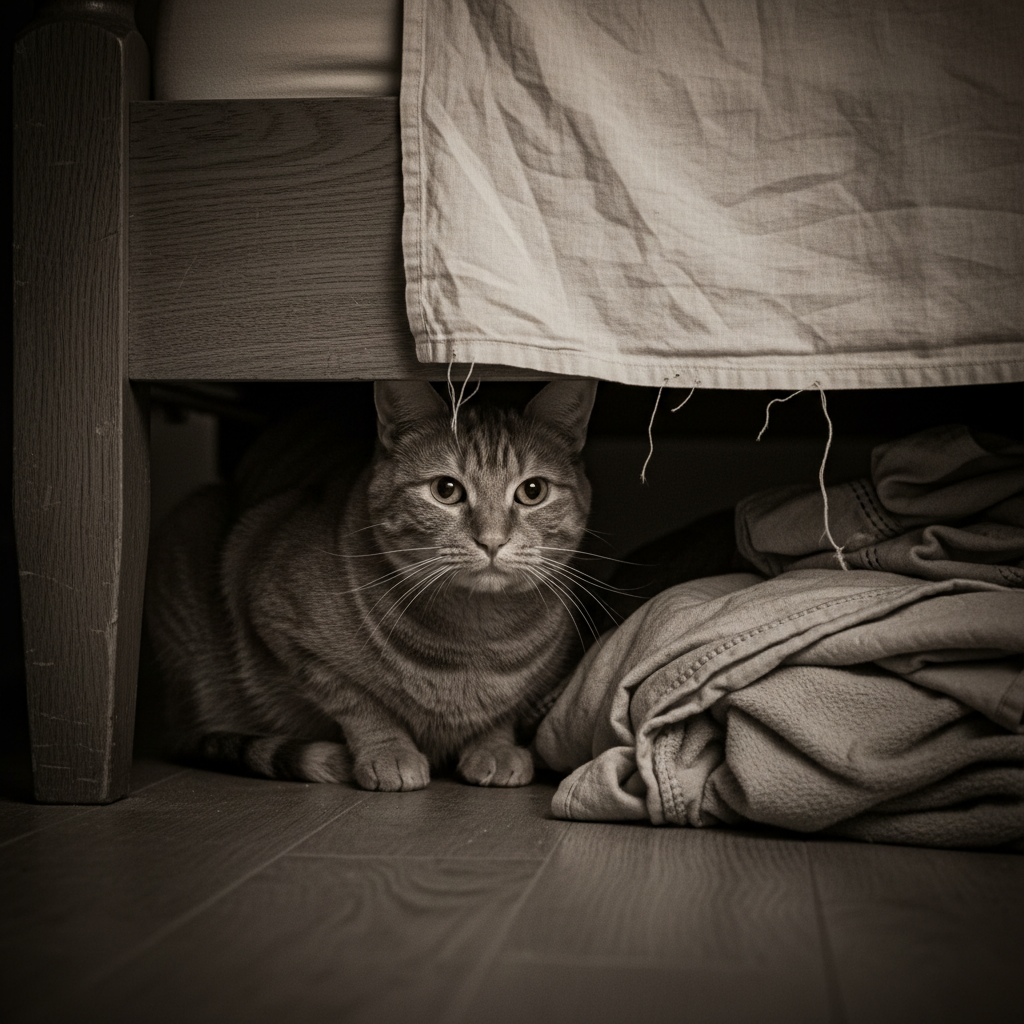
Imagine you have a cat that suddenly starts hiding under the furniture more often than usual. Instead of assuming that they’re just being aloof or lazy, try to understand what might be causing them to feel insecure. Have there been any changes in the household, such as a new pet, a new baby, or a change in your work schedule? Is there a new noise or smell that might be frightening them? By putting yourself in your cat’s paws and considering their perspective, you can begin to identify the root cause of their behavior and take steps to address it.
Creating a Safe and Supportive Environment
Once you’ve developed a better understanding of your pet’s needs and preferences, you can begin to create a safe and supportive environment that minimizes stress and promotes well-being. This might involve making changes to your home, such as providing them with a quiet and secluded space to retreat to when they feel overwhelmed. It might involve adjusting your routine to better accommodate their needs, such as providing them with more exercise or mental stimulation. It might involve seeking professional help from a veterinarian or a certified animal behaviorist to address behavioral issues or underlying medical conditions.
Remember, building a strong and trusting relationship with your pet is an ongoing process. It requires patience, empathy, and a willingness to learn and adapt. By challenging the myth of the infinitely adaptable pet and embracing a more ethical and compassionate approach to pet ownership, you can create a life that is not just comfortable, but also enriching and fulfilling, for both you and your beloved companion.
Ultimately, the goal is to recognize that while our pets may endure, they deserve more than mere survival. They deserve to thrive, to feel safe, loved, and understood. By embracing empathy, observation, and a commitment to ethical pet ownership, we can create a world where our pets don’t just adapt; they flourish.

Hi, my name is Robert Max, I live in the United States and I’m the creator of InTechNews. I started this blog with the goal of sharing reliable and practical information about pet care, helping pet owners provide a healthier and happier life for their animals. I’m passionate about animal well-being and believe that good information makes all the difference in responsible pet ownership.