
The Illusion of Speed: Why Pressure Backfires in Pet Training
We’ve all been there, haven’t we? Frustration mounting as our beloved furry friend just doesn’t seem to “get it.” Whether it’s housebreaking a new puppy, teaching an old dog a new trick, or simply trying to curb unwanted behaviors like excessive barking, the temptation to apply pressure – to raise our voice, to tug a little harder on the leash, to use more forceful commands – can be overwhelming. We tell ourselves it’s for their own good, that they need to understand who’s in charge, that a little tough love will accelerate the learning process. But what if this approach is not only ineffective, but actually detrimental to your pet’s well-being and their ability to learn?
The truth is, while pressure might yield short-term, superficial results – a momentarily subdued bark, a hesitant sit – it ultimately sabotages the deeper, more lasting kind of learning we truly desire. It fosters fear and anxiety, erodes trust, and creates a negative association with training itself. Imagine trying to learn a new language under the constant threat of ridicule. Would you thrive, or would you become paralyzed by the fear of making mistakes? Our pets experience similar anxieties when training becomes a pressure cooker.
The core issue is a fundamental misunderstanding of how animals learn. We often project our own human understanding of motivation onto them, assuming that pressure, like the fear of punishment, will compel them to comply. However, animals, particularly dogs, are motivated primarily by positive reinforcement – by the desire to please, to earn rewards, and to experience positive interactions with their human companions. Building on this foundation of positive reinforcement is the key to effective and ethical training.
The Downside of “Tough Love”
“Tough love” might seem like a viable approach in some areas of human relationships, but it simply doesn’t translate well to the world of pet training. What we perceive as discipline, our pets often interpret as aggression or unpredictable behavior. This can lead to a range of negative consequences, including:
- Increased Anxiety and Stress: Constant pressure creates a state of chronic stress, weakening their immune system and making them more susceptible to illness.
- Fear and Avoidance: Pets learn to associate training sessions with negative experiences, leading them to avoid you or resist your commands.
- Behavioral Problems: Pressure can exacerbate existing behavioral issues or even create new ones, such as aggression, excessive barking, or destructive chewing.
- Eroded Trust: The bond between you and your pet is built on trust. Pressure tactics break down that trust, making it harder to communicate and connect with them.
Consider the case of a rescue dog named Buster, who was adopted after experiencing abuse in his previous home. His new owners, eager to help him overcome his fears, initially tried to force him into situations that made him anxious, believing that exposure therapy would be the quickest route to recovery. They would push him to interact with strangers, scold him for cowering, and generally pressure him to conform to their expectations. The result? Buster became even more withdrawn and fearful, displaying signs of aggression towards anyone who approached him too quickly. It wasn’t until his owners switched to a positive reinforcement-based approach, focusing on building his confidence and rewarding his successes, that Buster began to truly heal and trust again.
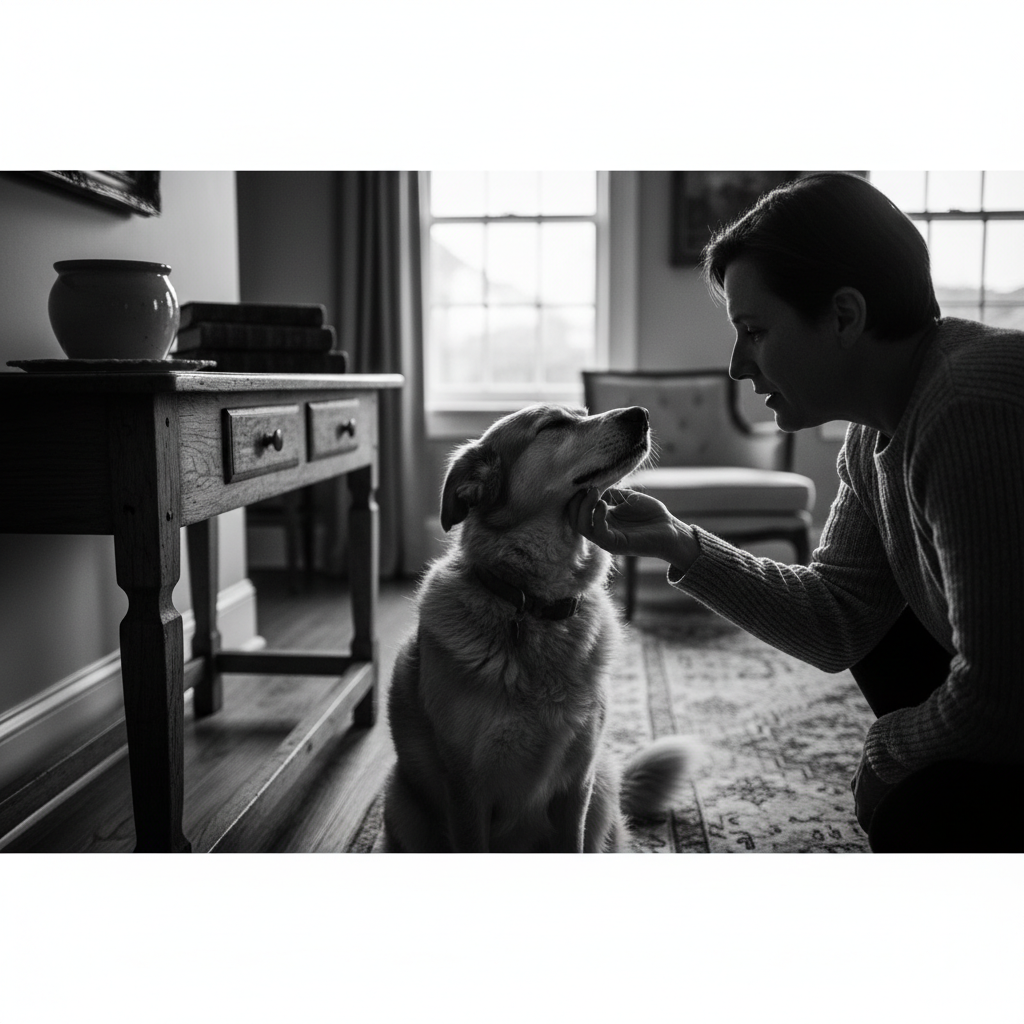
The Power of Clarity: Understanding Your Pet’s Perspective
Instead of relying on pressure, the key to effective pet training lies in clarity – in communicating your expectations in a way that your pet understands and can successfully meet. This requires a shift in perspective, from viewing training as a battle of wills to seeing it as a collaborative process of communication and mutual understanding. It means stepping into your pet’s paws, so to speak, and considering how they perceive the world and interpret your cues.
Think about it: our pets don’t speak our language. They rely on body language, tone of voice, and learned associations to understand what we want from them. When we use unclear commands, inconsistent cues, or overwhelming pressure, we create confusion and frustration, making it impossible for them to succeed. Clarity, on the other hand, empowers them to learn, builds their confidence, and strengthens the bond between you.
Breaking Down the Elements of Clarity
So, how do we cultivate clarity in our training? Here are some key elements to consider:
- Clear and Concise Commands: Use simple, one-word commands that are easy for your pet to understand and remember. Avoid lengthy sentences or complex instructions.
- Consistent Cues: Use the same hand signals and verbal cues every time you give a command. Consistency is crucial for avoiding confusion.
- Positive Reinforcement: Reward desired behaviors with treats, praise, or toys. Focus on what your pet is doing right, rather than what they are doing wrong.
- Breaking Down Tasks: Divide complex behaviors into smaller, more manageable steps. This allows your pet to experience success along the way, building their confidence and motivation.
- Timing is Everything: Deliver rewards and praise immediately after your pet performs the desired behavior. This helps them make the connection between their actions and the positive consequences.
For example, if you’re teaching your dog to sit, don’t just say “Sit!” in a demanding tone. Instead, hold a treat near their nose and slowly move it upwards and backwards, encouraging them to lower their hindquarters. As soon as their bottom touches the ground, say “Yes!” or “Good sit!” and immediately give them the treat. Repeat this process several times, gradually fading out the lure as your dog begins to understand the connection between the cue and the behavior.
The Science of Positive Reinforcement: Why It Works
Positive reinforcement isn’t just a feel-good training philosophy; it’s grounded in solid scientific principles. Operant conditioning, a theory developed by B.F. Skinner, explains how animals learn through the consequences of their actions. Behaviors that are followed by positive consequences (reinforcement) are more likely to be repeated, while behaviors that are followed by negative consequences (punishment) are less likely to be repeated.
The key difference between positive reinforcement and punishment is that reinforcement focuses on building desired behaviors, while punishment focuses on suppressing unwanted behaviors. While punishment can be effective in the short term, it often comes with negative side effects, such as fear, anxiety, and aggression. Positive reinforcement, on the other hand, is a more humane and effective approach that fosters a positive relationship between you and your pet.
Research has consistently shown that positive reinforcement-based training methods are more effective than punishment-based methods in achieving long-term behavioral changes. Studies have also found that dogs trained with positive reinforcement are less likely to exhibit fear, anxiety, and aggression compared to dogs trained with punishment.

Clicker Training: A Powerful Tool for Clarity
Clicker training is a specific type of positive reinforcement that uses a distinct sound – the click of a clicker – to mark the exact moment your pet performs the desired behavior. The clicker acts as a bridge between the behavior and the reward, helping your pet understand precisely what they did right.
The beauty of clicker training lies in its precision. The clicker sound is always associated with positive reinforcement, creating a clear and consistent signal for your pet. It allows you to mark even subtle behaviors, making it easier to shape complex actions. Clicker training is also highly motivating for pets, as they quickly learn that the click means a reward is coming.
Imagine teaching your cat to jump through a hoop. Instead of trying to physically force your cat through the hoop, you can use a clicker to mark each small step towards the desired behavior. First, you might click and reward your cat for simply looking at the hoop. Then, you might click and reward them for taking a step towards the hoop. Gradually, you can shape their behavior until they are confidently jumping through the hoop on command. The clicker provides clear communication and positive reinforcement, making the learning process fun and rewarding for both you and your cat.
Beyond Training: Building a Stronger Bond
The benefits of clarity and positive reinforcement extend far beyond formal training sessions. By applying these principles to your everyday interactions with your pet, you can cultivate a deeper, more meaningful bond based on trust, respect, and mutual understanding. This means communicating clearly with your pet at all times, avoiding harsh punishments, and focusing on rewarding desired behaviors.
For example, instead of scolding your dog for jumping on guests, teach them an alternative behavior, such as sitting or going to their mat, and reward them for doing so. Instead of yelling at your cat for scratching the furniture, provide them with a scratching post and reward them for using it. By proactively addressing unwanted behaviors and providing positive alternatives, you can create a more harmonious environment for both you and your pet.
The Importance of Patience and Consistency
It’s important to remember that learning takes time. Just as it takes practice and patience to master a new skill, your pet needs time to learn and understand your expectations. Don’t get discouraged if they don’t pick things up immediately. Be patient, consistent, and celebrate their successes along the way. Every small step forward is a victory worth acknowledging.
Also, remember that consistency is key. If you allow your dog to jump on the couch one day but scold them for it the next, you’re sending mixed signals and creating confusion. Establish clear rules and boundaries and stick to them consistently. This will help your pet understand what is expected of them and reduce the likelihood of unwanted behaviors.

Case Studies: Real-World Transformations
Let’s look at a few real-world examples of how shifting from pressure to clarity can transform the lives of pets and their owners.
- The Anxious Greyhound: A retired racing greyhound named Shadow was adopted by a loving family, but he suffered from severe anxiety and fear. He would cower at loud noises, refuse to go outside, and generally seemed terrified of the world. His owners initially tried to reassure him by forcing him into situations that made him anxious, but this only made his fear worse. After consulting with a certified dog trainer, they switched to a positive reinforcement-based approach. They started by creating a safe and comfortable environment for Shadow at home, gradually exposing him to new stimuli at his own pace, and rewarding him for any signs of bravery. Over time, Shadow’s anxiety began to subside, and he started to enjoy exploring the world with his family.
- The Destructive Terrier: A young terrier named Max was constantly getting into trouble, chewing furniture, digging in the garden, and generally wreaking havoc around the house. His owners were frustrated and resorted to scolding and punishing him, but this only seemed to make the problem worse. They realized that Max was simply bored and needed more mental and physical stimulation. They started providing him with plenty of exercise, puzzle toys, and training sessions. They also taught him alternative behaviors, such as fetching a toy instead of chewing on furniture. With consistent training and enrichment, Max’s destructive behaviors gradually disappeared, and he became a well-behaved and happy companion.
- The Fearful Cat: A shy rescue cat named Luna was terrified of people and would hide under the bed whenever anyone came near her. Her new owners were patient and understanding, creating a calm and safe environment for her. They started by simply sitting quietly in the room with her, gradually moving closer as she became more comfortable. They would also offer her treats and toys, rewarding her for any signs of approach. Over time, Luna began to trust her new owners and started to come out of her shell. She eventually became a loving and affectionate member of the family.
These are just a few examples of how clarity, patience, and positive reinforcement can transform the lives of pets. By shifting your perspective and focusing on building a positive relationship with your furry friend, you can unlock their full potential and create a bond that will last a lifetime.
Embracing the Journey: A Lifelong Commitment
Training your pet is not a one-time event; it’s a lifelong journey. As your pet grows and changes, their needs and behaviors will also evolve. Be prepared to adapt your training methods and continue to provide them with the clarity, consistency, and positive reinforcement they need to thrive. Embrace the challenges and celebrate the successes along the way. The rewards of a strong, trusting bond with your pet are well worth the effort.
Remember that every pet is an individual, with their own unique personality, learning style, and challenges. What works for one pet may not work for another. Be patient, observant, and willing to experiment to find the training methods that best suit your pet’s needs. Don’t be afraid to seek guidance from a qualified professional, such as a certified dog trainer or veterinary behaviorist, if you’re struggling to address specific behavioral issues.

Ultimately, the goal of pet training is not simply to achieve obedience, but to foster a deeper connection with your furry friend, built on trust, respect, and mutual understanding. By choosing clarity over pressure, you’re not only helping your pet learn, but you’re also strengthening the bond that makes them such a cherished part of your life. So, take a deep breath, embrace the journey, and enjoy the incredible rewards of a positive and fulfilling relationship with your beloved companion. It’s about building a partnership, not a dictatorship, and the rewards are immeasurable.

Hi, my name is Robert Max, I live in the United States and I’m the creator of InTechNews. I started this blog with the goal of sharing reliable and practical information about pet care, helping pet owners provide a healthier and happier life for their animals. I’m passionate about animal well-being and believe that good information makes all the difference in responsible pet ownership.