
The Mirror in Your Living Room: Understanding Pet Behavior
We often anthropomorphize our pets, projecting human emotions and intentions onto their actions. “Oh, he’s doing that to spite me,” we might say when the cat knocks over a glass of water. Or, “She knows she’s not supposed to be on the couch; she’s just being rebellious.” But what if these interpretations are fundamentally flawed? What if, instead of acts of defiance or calculated mischief, these behaviors are simply reflections of our own actions, inconsistencies, and unintentional training?
The truth is, our pets are incredibly astute observers. They are masters of association, learning to connect our behaviors, vocal cues, and body language with specific outcomes. They don’t operate on a complex moral code like humans, but rather on a simple principle of cause and effect. What works gets repeated. What doesn’t, fades away. This is the cornerstone of understanding why your pet “makes mistakes” – because often, they aren’t mistakes at all, but learned responses shaped by your behavior.
The Power of Unintentional Training
Think about it. How many times have you inadvertently rewarded a behavior you now wish your pet wouldn’t do? Maybe you gave in to your dog’s persistent barking for attention, offering a treat or a pat on the head just to quiet them down. Or perhaps you laughed when your cat playfully swatted at your dangling keys, reinforcing the behavior with positive attention. These seemingly harmless interactions can have a profound impact on your pet’s future behavior.
Consider the dog who barks incessantly at visitors. Often, this behavior starts as a simple alert bark. The dog hears someone approaching the house and barks to let you know. You, in turn, might acknowledge the bark, perhaps even saying, “Okay, I hear them,” or going to the door to investigate. In the dog’s mind, the barking has successfully alerted you to the presence of someone, fulfilling its purpose. However, if the barking continues even after you’ve acknowledged the visitor, and you then yell at the dog to be quiet, you’ve unintentionally created a confusing scenario. The dog initially barked to please you, and now you’re seemingly punishing them for it. This inconsistency can lead to anxiety and further barking, as the dog tries to decipher what you actually want.
Similarly, a cat who scratches furniture might have initially been drawn to it because it provided a good scratching surface. However, if you consistently chase the cat away from the furniture without providing a suitable alternative, you’re simply suppressing the scratching behavior, not eliminating the underlying need. The cat will likely continue to scratch when you’re not around, or redirect the behavior to another surface. The “mistake” isn’t the scratching itself, but the lack of clear communication and consistent redirection from your end.

Decoding Your Pet’s Actions: Beyond “Bad” Behavior
Before labeling a behavior as “bad” or “wrong,” take a step back and analyze the situation from your pet’s perspective. What might be motivating the behavior? What have you unintentionally taught them in the past? Are there any environmental factors that could be contributing to the problem? Understanding the root cause of the behavior is crucial for developing an effective solution.
For example, a dog who suddenly starts having accidents in the house might not be doing so out of spite. There could be a medical reason, such as a urinary tract infection or bladder stones. Or, the dog might be experiencing anxiety due to a change in routine or a new pet in the household. Punishing the dog for the accidents will only exacerbate the problem, creating fear and further anxiety. Instead, a trip to the vet and a thorough assessment of the dog’s environment and routine are necessary to identify and address the underlying cause.
The Case of the Resource Guarding Dog
Resource guarding is a common behavior in dogs, where they become possessive of food, toys, or even their owner. While it can seem aggressive and concerning, resource guarding is often rooted in insecurity and a perceived threat of losing something valuable. A dog who has experienced food scarcity in the past, or who has had their toys taken away frequently, might be more likely to develop resource guarding behaviors.
Let’s imagine a scenario: You have a new puppy who loves his toys. You often pick up his toys throughout the day to tidy up the house. Unbeknownst to you, the puppy is starting to feel anxious every time you approach his toys. He begins to growl or snap when you reach for them. You might interpret this as the puppy being “mean” or “dominant.” However, from the puppy’s perspective, he’s simply trying to protect something he values. He has learned that your approach often means the removal of his toys, leading to a feeling of insecurity.
The solution isn’t to punish the puppy for growling, which will only reinforce his anxiety and potentially escalate the behavior. Instead, you need to change the association he has with your approach. Start by approaching his toys and dropping a high-value treat nearby. This teaches him that your presence near his toys is a positive thing. Gradually, you can work on picking up the toys while simultaneously offering a treat, creating a positive association with the act of taking away his belongings. This process requires patience and consistency, but it can effectively address the root cause of the resource guarding behavior and build trust between you and your dog.
Consistency is Key: Building Clear Communication
One of the biggest challenges in pet training is maintaining consistency. It’s easy to slip up and allow a behavior one day, only to reprimand it the next. This inconsistency can be incredibly confusing for your pet, making it difficult for them to understand what you expect of them. Imagine trying to learn a new language where the rules constantly change. You would quickly become frustrated and discouraged.
For example, if you sometimes allow your dog to jump on you when you come home, but other times scold them for it, you’re sending mixed signals. The dog doesn’t understand why jumping is acceptable in some situations but not in others. This inconsistency can lead to frustration and anxiety, and may even exacerbate the jumping behavior as the dog tries harder to elicit a positive response. It’s crucial to establish clear rules and stick to them consistently. If you don’t want your dog to jump on you, never allow it, even when you’re feeling playful or lenient. Consistently redirect the behavior to a more acceptable alternative, such as sitting or offering a paw.
The Importance of Positive Reinforcement
While punishment might seem like a quick and easy way to stop an unwanted behavior, it can often have unintended consequences. Punishment can create fear, anxiety, and aggression, and can damage the bond between you and your pet. Positive reinforcement, on the other hand, focuses on rewarding desired behaviors, making them more likely to be repeated in the future. This approach is not only more effective but also creates a more positive and enjoyable training experience for both you and your pet.
Consider a cat who is constantly scratching at the door. Instead of yelling at the cat or spraying them with water, try providing them with a scratching post near the door. When you see the cat using the scratching post, reward them with praise, a treat, or a gentle scratch. This teaches the cat that using the scratching post is a rewarding behavior, making them more likely to choose it over the door in the future. Positive reinforcement is about creating a positive association with the desired behavior, making it the preferred choice for your pet.

Environmental Enrichment: Setting Your Pet Up for Success
A bored or under-stimulated pet is more likely to engage in unwanted behaviors. Providing adequate mental and physical stimulation is crucial for preventing problem behaviors and promoting overall well-being. This means ensuring your pet has access to plenty of exercise, interactive toys, and opportunities to engage in natural behaviors.
For dogs, this might involve daily walks, playtime in the park, puzzle toys, or even training sessions. For cats, it could include climbing structures, scratching posts, interactive toys, and opportunities to hunt and play. Consider a cat that is constantly knocking things off shelves. This behavior might be driven by boredom and a lack of stimulation. Providing the cat with a tall cat tree, interactive toys that mimic hunting, and regular play sessions can help to redirect this energy into more acceptable outlets.
Addressing Separation Anxiety
Separation anxiety is a common problem in dogs, characterized by excessive barking, destructive behavior, and accidents when left alone. While it can be distressing for both the dog and the owner, separation anxiety is often a result of a learned association between the owner’s departure and feelings of fear and anxiety.
Imagine a dog who has been consistently left alone for long periods of time without any preparation or enrichment. The dog might start to associate the owner’s departure cues, such as picking up keys or putting on a coat, with feelings of panic. This can lead to a cascade of anxiety-related behaviors when the owner leaves. The solution isn’t to punish the dog for these behaviors, but to gradually desensitize them to the departure cues and teach them to be comfortable alone. This might involve practicing short departures, providing the dog with a safe and comfortable space, and using calming aids such as pheromone diffusers.
For example, you could start by simply picking up your keys and putting them down without leaving the house. Repeat this several times a day until the dog no longer reacts to the cue. Gradually, you can start opening the door and stepping outside for a few seconds, then returning. Slowly increase the duration of your departures, always ensuring the dog remains calm and relaxed. Providing the dog with a special treat or toy that they only get when you leave can also help to create a positive association with your departure.
The Long Game: Patience, Persistence, and Positive Reinforcement
Changing ingrained behaviors takes time, patience, and consistency. There will be setbacks along the way, and it’s important not to get discouraged. Remember that your pet is not intentionally trying to frustrate you. They are simply responding to the environment and the cues you have provided them. By focusing on positive reinforcement, clear communication, and environmental enrichment, you can help your pet to learn new behaviors and develop a stronger bond with you.
Consider a dog who is struggling with leash reactivity, barking and lunging at other dogs on walks. This behavior can be embarrassing and frustrating for the owner, but it’s often rooted in fear or anxiety. The dog might have had a negative experience with another dog in the past, or they might simply be feeling overwhelmed by the presence of other dogs. Addressing leash reactivity requires a long-term commitment to training and management. This might involve working with a professional trainer, using positive reinforcement techniques to change the dog’s association with other dogs, and managing the environment to avoid triggering situations. It’s important to be patient and persistent, celebrating small successes along the way. With time and effort, you can help your dog to overcome their leash reactivity and enjoy walks again.

Beyond Training: Recognizing Individual Needs
Every pet is an individual, with their own unique personality, experiences, and needs. What works for one pet might not work for another. It’s important to take the time to get to know your pet and understand their individual needs. This might involve observing their behavior, consulting with a veterinarian or behaviorist, and tailoring your training approach to their specific personality and temperament.
For example, a shy and timid dog might require a more gentle and patient approach to training than a confident and outgoing dog. A senior pet might have physical limitations that require adjustments to their exercise routine. A pet with a history of trauma might need extra time and patience to build trust. By recognizing and addressing the individual needs of your pet, you can create a more positive and fulfilling relationship for both of you.
The Power of Observation
One of the most valuable tools you have as a pet owner is your ability to observe. Pay attention to your pet’s body language, vocalizations, and behavior patterns. What makes them happy? What makes them anxious? What are their triggers? By becoming a keen observer, you can gain valuable insights into your pet’s inner world and better understand their needs.
For instance, if you notice that your cat always hides under the bed when visitors come over, you can create a safe and comfortable space for them in another room. Or, if you notice that your dog becomes anxious during thunderstorms, you can provide them with a calming vest or create a safe haven where they feel protected. Observing your pet’s behavior allows you to proactively address their needs and prevent problem behaviors from developing.
Reflecting on Our Own Behavior: The Key to a Harmonious Relationship
Ultimately, understanding your pet’s behavior requires a willingness to reflect on your own actions and inconsistencies. Are you providing clear and consistent communication? Are you unintentionally rewarding unwanted behaviors? Are you meeting your pet’s physical and mental needs? By taking responsibility for your role in shaping your pet’s behavior, you can create a more harmonious and fulfilling relationship based on mutual understanding and respect. Your pet isn’t “making mistakes” – they are simply learning from you. The key to changing their behavior lies in changing your own.
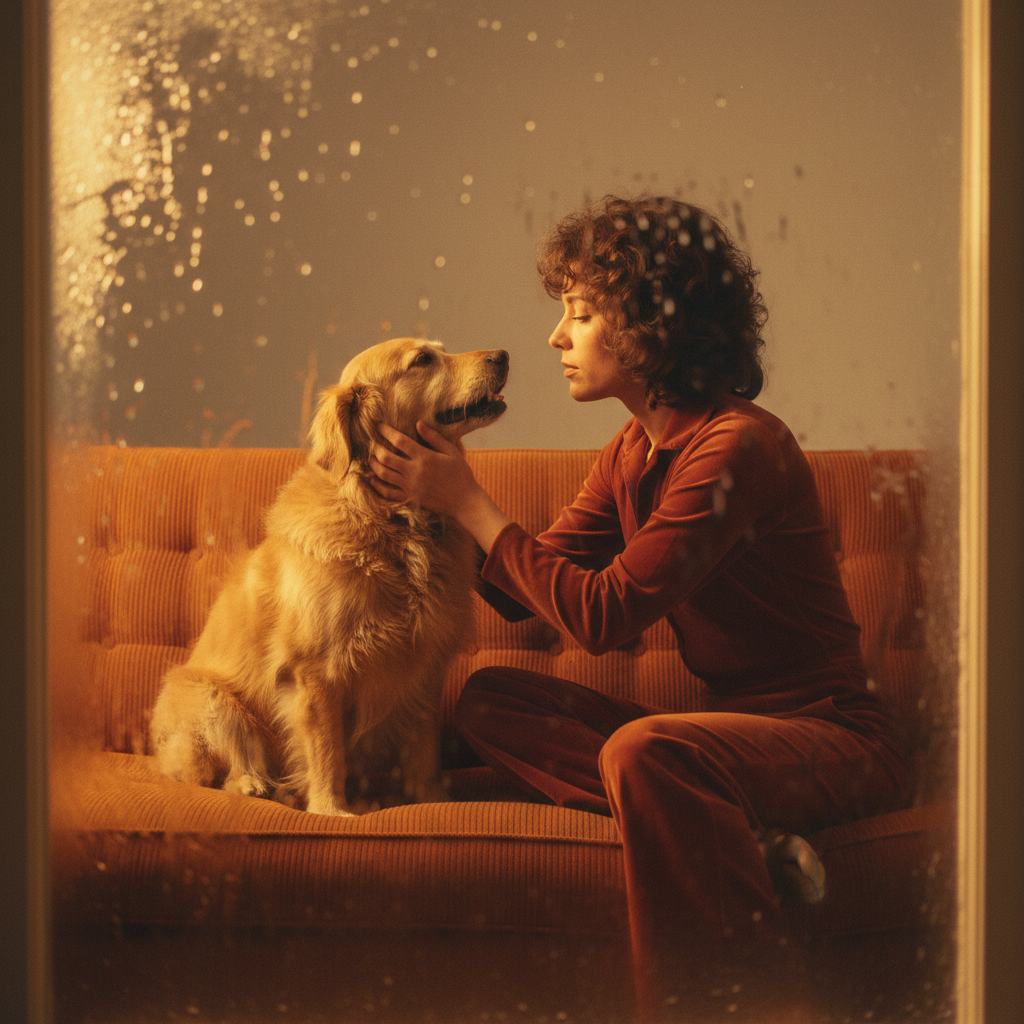
The journey of pet ownership is a continuous learning process, a dance of communication and understanding. It’s about recognizing that our pets aren’t just furry companions, but mirrors reflecting our actions, inconsistencies, and love. By embracing this perspective, we can move beyond simply correcting “mistakes” and towards building a deeper, more meaningful connection with our animal companions. A connection built on trust, respect, and the unwavering understanding that they are, in essence, repeating what they learn from us.

Hi, my name is Robert Max, I live in the United States and I’m the creator of InTechNews. I started this blog with the goal of sharing reliable and practical information about pet care, helping pet owners provide a healthier and happier life for their animals. I’m passionate about animal well-being and believe that good information makes all the difference in responsible pet ownership.