
The Unspoken Truth About Pet Apparel
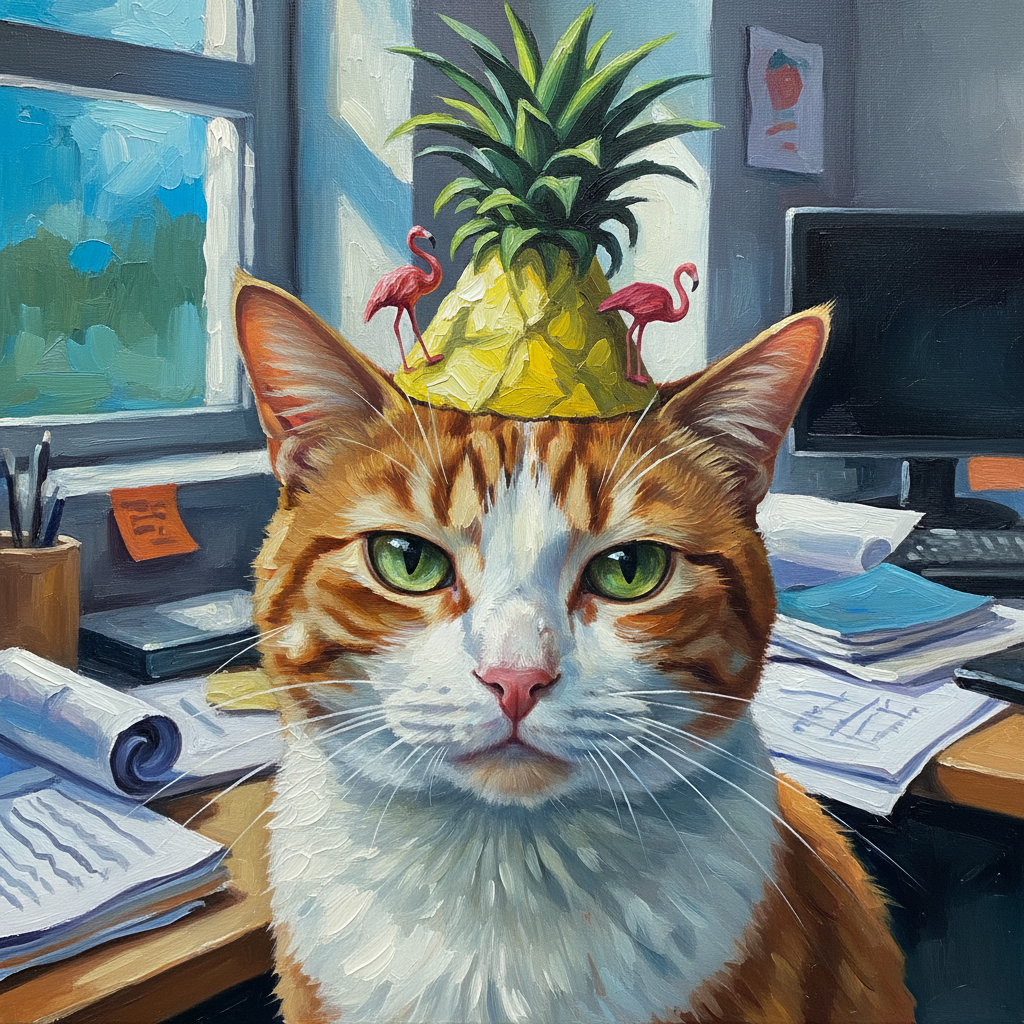
We’ve all seen them: the perfectly coiffed poodles in designer dresses, the bulldogs sporting tiny leather jackets, the cats reluctantly squeezed into miniature superhero costumes. The pet apparel industry is booming, fueled by our desire to express affection for our furry companions, and perhaps, to project a certain image ourselves. But have we ever stopped to consider whether our pets truly benefit from these sartorial choices? Or are we, in our well-intentioned anthropomorphism, simply imposing our own human desires onto creatures with far simpler needs?
The uncomfortable truth is that much of what we consider “fashionable” for our pets is, at best, frivolous and, at worst, actively harmful. The tiny shoes that restrict natural paw movement, the elaborate costumes that overheat and irritate sensitive skin, the bejeweled collars that pose a choking hazard – these are not expressions of love, but rather, potential sources of discomfort, anxiety, and even physical danger. Is a fleeting moment of Instagram fame worth risking your pet’s well-being?
Beyond the Cute Factor: Function vs. Fashion
It’s tempting to dismiss concerns about pet apparel as the domain of overly sensitive animal rights activists. After all, a cute sweater on a chilly day seems harmless enough, right? The key distinction lies in understanding the difference between function and fashion. A well-fitting, weather-appropriate coat can certainly provide warmth and protection for a short-haired dog during a harsh winter. Booties can shield paws from abrasive salt and ice on sidewalks. But these items should be chosen for their practical benefits, not for their aesthetic appeal.
Consider the purpose of the garment. Does it truly serve a need, or is it purely decorative? Does it allow your pet to move freely and comfortably? Is it made from breathable, non-toxic materials? Can you easily remove it if your pet becomes distressed? These are the questions we should be asking ourselves before reaching for that sequined doggy dress or that miniature top hat.
There’s also the question of individual temperament. Some pets are naturally more tolerant of clothing than others. A calm, confident dog might happily prance around in a festive sweater, while a shy, anxious cat might become completely withdrawn and stressed by even the simplest harness. Knowing your pet’s personality and respecting their boundaries is paramount.

The Psychological Impact of Unnecessary Apparel
Beyond the potential physical harm, there’s a deeper, more subtle concern about the psychological impact of unnecessary pet apparel. Animals rely on a complex system of non-verbal communication, using body language, scent, and vocalizations to interact with their environment and with each other. Restricting their natural movements or covering their bodies in unfamiliar materials can disrupt this communication and lead to confusion, anxiety, and even behavioral problems.
Imagine being forced to wear a bulky, uncomfortable costume that prevents you from moving freely or expressing yourself naturally. How would you feel? Anxious? Frustrated? Claustrophobic? Our pets experience similar emotions when they’re subjected to clothing that interferes with their ability to communicate and interact with the world around them. A tail that can’t wag, ears that are pinned down by a hat, a body that feels restricted by a tight-fitting garment – these can all contribute to a sense of unease and insecurity.
The Case of the Anxious Chihuahua in the Rhinestone Collar
Consider the case of a small Chihuahua named Princess, whose owner insisted on dressing her in elaborate outfits and adorning her with a heavy rhinestone collar. While Princess looked “cute” in her owner’s eyes, she was clearly exhibiting signs of distress. She would cower when her owner approached with a new outfit, tremble when she was forced to wear the collar, and frequently hide under furniture to escape the unwanted attention. The owner, blinded by her desire to showcase her “fashionable” pet, failed to recognize the underlying anxiety that her actions were causing.
This is not an isolated incident. Countless pets are forced to endure clothing and accessories that make them feel uncomfortable, insecure, and even frightened. It’s crucial to remember that our pets are not dolls to be dressed up and paraded around for our amusement. They are sentient beings with their own needs, desires, and emotional sensitivities. Prioritizing their well-being over our own vanity is the hallmark of responsible pet ownership.
When Apparel is Actually Necessary
While much of the pet apparel industry caters to frivolous fashion trends, there are situations where clothing can genuinely benefit our animal companions. As mentioned earlier, weather-appropriate coats and booties can provide protection from the elements for certain breeds, particularly those with short hair or sensitive paws. Similarly, recovery suits can prevent pets from licking or scratching surgical incisions, and anxiety vests can provide a sense of security for pets who suffer from stress or fear.
The key is to choose items that are specifically designed for a particular purpose and that fit properly without restricting movement or causing discomfort. Look for materials that are breathable, non-toxic, and easy to clean. Avoid garments with small parts or embellishments that could pose a choking hazard. And always supervise your pet while they’re wearing clothing to ensure that they’re not experiencing any distress.
The Importance of Proper Fit and Material
A well-fitting garment is essential for both comfort and safety. Clothing that is too tight can restrict circulation, cause chafing, and even lead to skin irritation. Clothing that is too loose can get tangled and pose a tripping hazard. Take the time to measure your pet accurately and consult sizing charts before purchasing any apparel. Look for adjustable straps and closures that allow you to customize the fit.
The choice of material is also crucial. Avoid synthetic fabrics that can trap heat and moisture, leading to overheating and skin problems. Opt for natural, breathable materials like cotton, wool, or fleece. Make sure that the fabric is non-toxic and free of dyes or chemicals that could irritate your pet’s skin. And always wash new clothing before putting it on your pet to remove any residual chemicals or manufacturing residues.

The Ethical Considerations of Pet Ownership
Ultimately, the decision of whether or not to dress your pet comes down to a matter of ethics. Are you prioritizing your pet’s well-being over your own desire to express yourself or to project a certain image? Are you respecting their individuality and their natural needs? Are you truly acting in their best interests?
Responsible pet ownership is about providing our animals with a safe, comfortable, and stimulating environment in which they can thrive. It’s about understanding their unique needs and respecting their boundaries. It’s about prioritizing their physical and emotional well-being above all else. And sometimes, that means resisting the urge to dress them up in the latest fashion trends.
Beyond the Clothes: Focusing on What Matters
Instead of obsessing over your pet’s wardrobe, why not focus on providing them with the things that truly matter: plenty of exercise, a nutritious diet, lots of love and attention, and opportunities to engage in natural behaviors? A long walk in the park, a stimulating play session, a cozy cuddle on the couch – these are the things that will truly enrich your pet’s life and strengthen your bond.
Consider investing in high-quality food, durable toys, and comfortable bedding instead of spending money on frivolous clothing. Take the time to learn about your pet’s breed and their specific needs. Provide them with plenty of mental stimulation and opportunities to socialize with other animals. And most importantly, shower them with love and affection every day.
Alternatives to Dressing Up Your Pet
If you enjoy expressing your creativity and style, there are plenty of ways to do so without subjecting your pet to uncomfortable or unnecessary clothing. Consider investing in a stylish and functional leash and collar. Choose a high-quality pet carrier that reflects your personal taste. Decorate your home with pet-friendly furniture and accessories that complement your décor. Or, if you’re feeling crafty, try making your own toys or bedding.
Another option is to participate in activities that allow you to showcase your pet’s natural talents and abilities. Enter them in agility competitions, obedience trials, or even just a local pet talent show. These events provide a fun and rewarding way to bond with your pet and to celebrate their unique personality.
Celebrating Your Pet’s Individuality
Ultimately, the most important thing is to celebrate your pet’s individuality and to appreciate them for who they are, not for what they’re wearing. Embrace their quirks, their imperfections, and their unique personality. Let them be themselves, and you’ll discover that they’re far more beautiful and endearing than any designer outfit could ever make them.
Do you think your furry friend really cares about matching colors or the latest trends? Probably not. Their joy comes from simple things: a belly rub, a game of fetch, or just spending quality time with their favorite human. Let’s focus on providing them with those simple pleasures and leave the fashion shows to the humans.
The Future of Pet Apparel: A Call for Responsibility
As the pet industry continues to grow, it’s crucial that we, as consumers and pet owners, demand greater responsibility from manufacturers and retailers. We need to support companies that prioritize the health and well-being of animals over profit. We need to advocate for stricter regulations on the production and sale of pet apparel. And we need to educate ourselves and others about the potential risks of unnecessary clothing and accessories.
By making informed choices and demanding greater accountability, we can help to create a future where pet apparel is used responsibly and ethically, and where the well-being of animals is always the top priority. Let’s remember that our pets are not fashion accessories. They are living, breathing beings who deserve our respect, our compassion, and our unwavering commitment to their health and happiness.
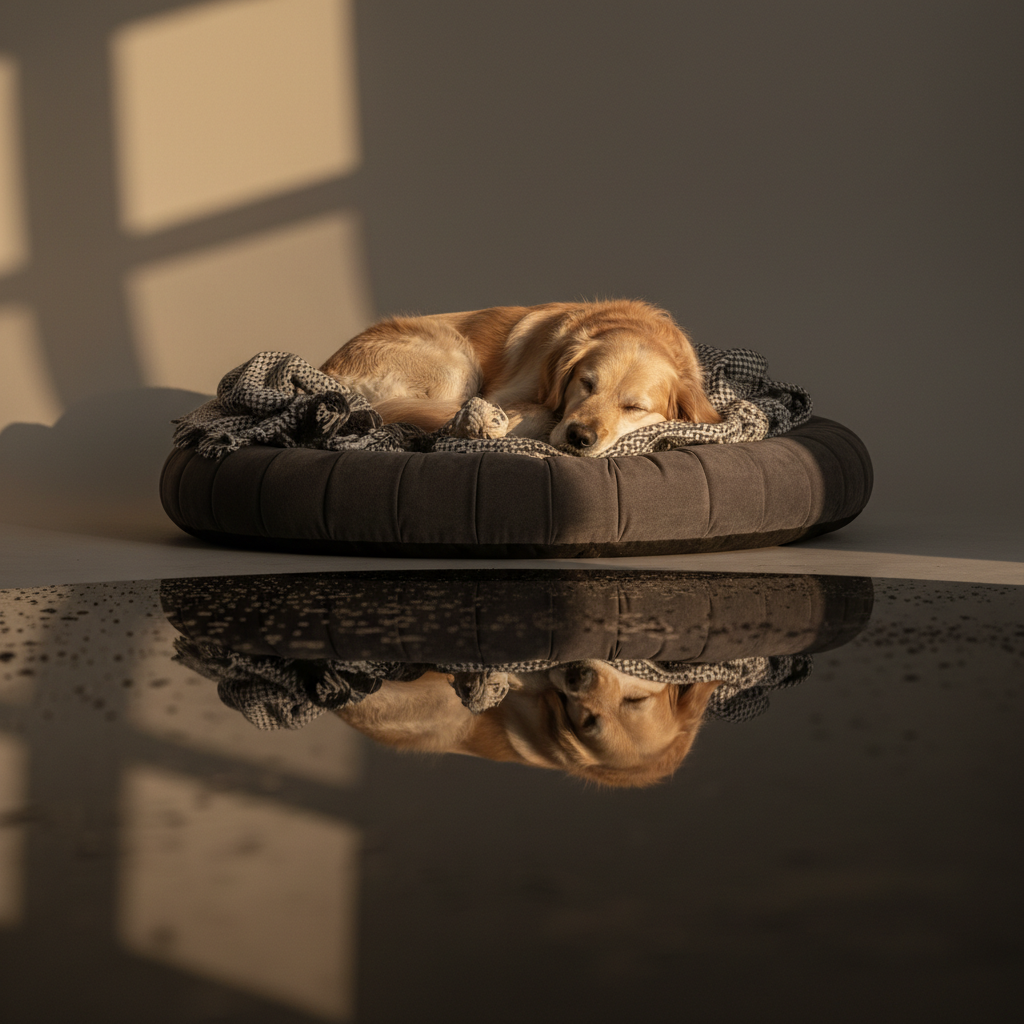
In the end, the most fashionable thing your pet can wear is a happy, healthy glow. A wagging tail, bright eyes, and a confident demeanor speak volumes more than any designer outfit ever could. So, let’s ditch the unnecessary frills and focus on what truly matters: providing our furry friends with a life filled with love, joy, and well-being. Because a truly loved pet is always in style.

Hi, my name is Robert Max, I live in the United States and I’m the creator of InTechNews. I started this blog with the goal of sharing reliable and practical information about pet care, helping pet owners provide a healthier and happier life for their animals. I’m passionate about animal well-being and believe that good information makes all the difference in responsible pet ownership.