
Beyond the Bowl: Are You Really Nourishing Your Pet?
We fill their bowls every day, sometimes even twice. We buy the “best” food, the one with the appealing packaging and the promises of shiny coats and boundless energy. But are we truly nourishing our pets, or are we just feeding them? There’s a vast difference, a chasm that separates mere sustenance from genuine, holistic nourishment.
Consider this: you can eat fast food every day and technically be “fed.” You’ll survive, but will you thrive? Will your body be operating at its peak? Will you be resistant to illness and full of vitality? The answer, of course, is a resounding no. The same principle applies to our beloved animal companions. They deserve more than just empty calories and cleverly marketed ingredients.
The Illusion of Complete and Balanced
The pet food industry is a multi-billion dollar behemoth, and like any industry, it’s driven by profit. The words “complete and balanced” are stamped on many bags, a reassuring phrase designed to instill confidence. But what does it really mean? It simply signifies that the food meets the minimum nutritional requirements established by organizations like AAFCO (Association of American Feed Control Officials). Minimum. That’s the key word.
Imagine a human diet designed to meet only the minimum daily requirements of vitamins and minerals. It would be devoid of the diverse array of phytonutrients, antioxidants, and essential fatty acids that contribute to optimal health. Our pets’ nutritional needs are just as complex, yet often overlooked in the pursuit of convenience and affordability.
So, what’s the problem with “complete and balanced” kibble? The ingredients. Many commercial pet foods are packed with processed grains, fillers, and artificial additives. These ingredients may provide calories, but they offer little in the way of true nourishment. They can also contribute to inflammation, allergies, and a host of other health problems.
Think about the natural diet of a dog. Before domestication, they were opportunistic scavengers, consuming a varied diet of meat, bones, organs, and plant matter. This ancestral diet provided a rich source of nutrients in their most bioavailable form. Kibble, on the other hand, is a far cry from this natural way of eating.
Decoding the Ingredient Label: What Are You Really Feeding?
The ingredient label is your weapon in the fight for your pet’s health. Learn to decipher it, and you’ll be empowered to make informed choices. Don’t be swayed by clever marketing; focus on the actual ingredients.
The Protein Puzzle
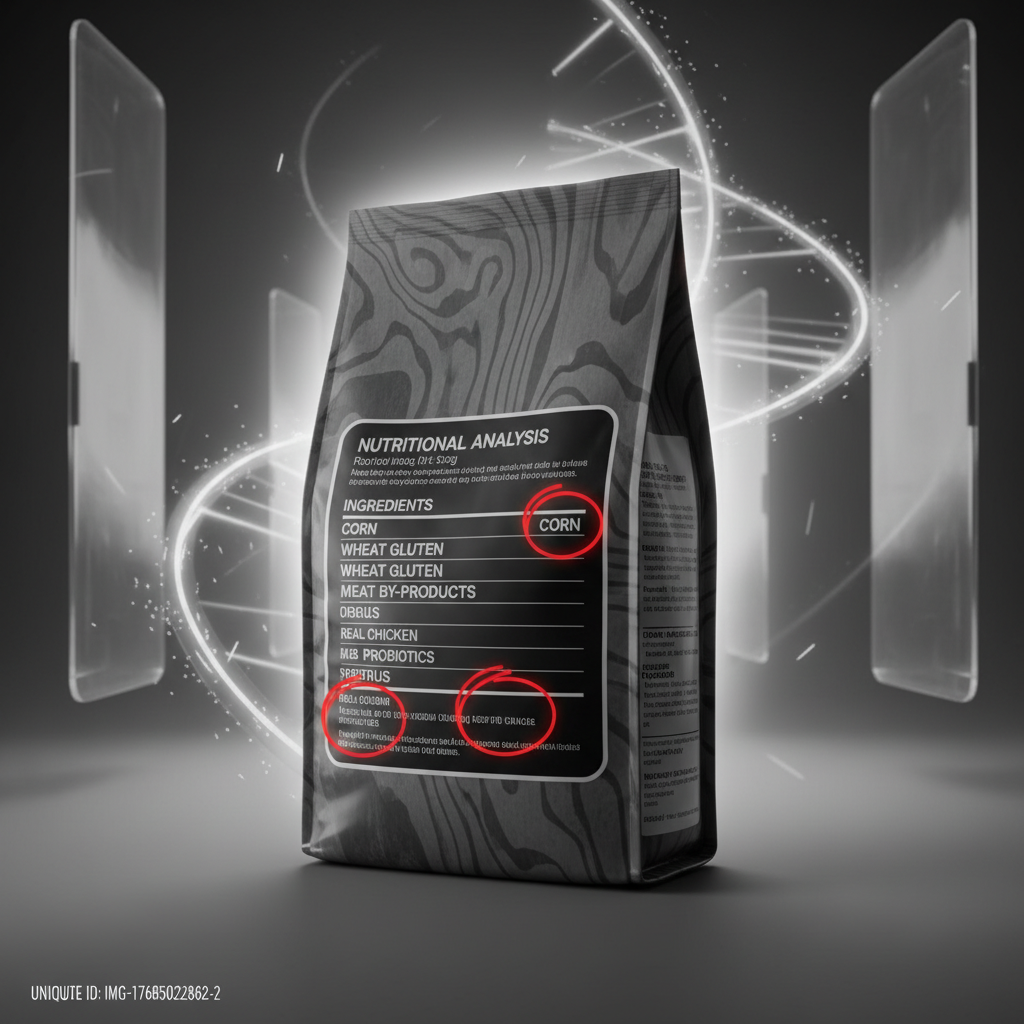
Protein is essential for building and repairing tissues, supporting the immune system, and providing energy. But not all protein is created equal. Look for named protein sources like “chicken,” “beef,” or “salmon.” Avoid vague terms like “meat by-products” or “poultry meal,” as these can be derived from questionable sources.
The order of ingredients is also crucial. The ingredients are listed in descending order by weight. So, the first few ingredients make up the bulk of the food. If the first ingredient is corn or wheat, it’s a red flag. Your pet is primarily eating a grain-based diet, which is not ideal.
Carbohydrates: The Filler Factor
Carbohydrates provide energy, but many commercial pet foods rely heavily on grains like corn, wheat, and soy as cheap fillers. These ingredients are often difficult for pets to digest and can contribute to allergies and sensitivities. Look for healthier carbohydrate sources like sweet potatoes, brown rice, or quinoa.
Consider the glycemic index of carbohydrates. High glycemic index foods cause a rapid spike in blood sugar, which can lead to insulin resistance and weight gain. Sweet potatoes and quinoa have a lower glycemic index than corn or white rice, making them a better choice for your pet.
Fats: The Good, the Bad, and the Rancid
Fats are essential for healthy skin and coat, hormone production, and brain function. Look for named fat sources like “chicken fat,” “fish oil,” or “sunflower oil.” Avoid generic terms like “animal fat,” as the source may be unknown. Fish oil is particularly beneficial due to its high omega-3 fatty acid content, which has anti-inflammatory properties.
However, fats can go rancid over time, especially in dry kibble. Rancid fats not only taste bad but can also damage cells and contribute to disease. Look for pet foods that contain natural preservatives like vitamin E (tocopherols) and avoid those with artificial preservatives like BHA, BHT, and ethoxyquin.
The Power of Real Food: Exploring Alternative Diets
If you’re concerned about the quality of commercial pet food, there are several alternative diets to consider. These diets prioritize whole, unprocessed ingredients and offer a more natural approach to feeding.
Raw Feeding (BARF)
Raw feeding, also known as the BARF (Biologically Appropriate Raw Food) diet, involves feeding your pet raw meat, bones, organs, and vegetables. Proponents of raw feeding believe that it more closely mimics the ancestral diet of dogs and cats and offers numerous health benefits, including improved digestion, a stronger immune system, and a healthier coat.
However, raw feeding also carries risks. Raw meat can contain bacteria like Salmonella and E. coli, which can make your pet (and you) sick. It’s crucial to follow strict hygiene protocols when handling raw food and to consult with a veterinarian or veterinary nutritionist to ensure that your pet is receiving a balanced diet.
One common misconception about raw feeding is that pets will get sick from the bacteria in raw meat. While it’s true that raw meat can contain bacteria, healthy pets have a highly acidic stomach environment that kills most harmful bacteria. However, pets with compromised immune systems or digestive issues may be more susceptible to illness.
Home-Cooked Meals
Preparing home-cooked meals for your pet allows you to control every ingredient that goes into their food. You can use high-quality meats, vegetables, and grains to create a nutritious and balanced diet. However, it’s essential to consult with a veterinarian or veterinary nutritionist to ensure that your pet is receiving all the necessary nutrients.
A common mistake people make when preparing home-cooked meals is failing to balance the diet properly. Pets have specific nutritional requirements that differ from humans. For example, dogs require a higher proportion of protein than humans. A veterinarian or veterinary nutritionist can help you create a recipe that meets your pet’s individual needs.
Limited Ingredient Diets (LID)
Limited ingredient diets are formulated with a minimal number of ingredients to reduce the risk of allergies and sensitivities. These diets are often recommended for pets with food allergies or intolerances. Look for LID foods that contain a single source of protein and a single source of carbohydrate.
It’s important to note that LID diets are not necessarily superior to other types of pet food. They are simply designed to minimize the risk of allergic reactions. If your pet does not have food allergies, there’s no need to switch to an LID diet.
The Importance of Supplements: Filling the Nutritional Gaps
Even with the best diet, your pet may still benefit from certain supplements. Supplements can help fill nutritional gaps and support overall health and well-being.
Omega-3 Fatty Acids
Omega-3 fatty acids, particularly EPA and DHA, are essential for healthy skin and coat, brain function, and joint health. Fish oil is an excellent source of omega-3 fatty acids. Supplementing with fish oil can help reduce inflammation and improve your pet’s overall health.
When choosing a fish oil supplement, look for one that is purified to remove heavy metals and other contaminants. Also, be sure to store the fish oil in a cool, dark place to prevent it from going rancid.
Probiotics
Probiotics are beneficial bacteria that support a healthy gut microbiome. A healthy gut microbiome is essential for digestion, immune function, and overall health. Supplementing with probiotics can help improve your pet’s digestion, boost their immune system, and reduce the risk of allergies.
Not all probiotics are created equal. Look for a probiotic supplement that contains a variety of different strains of beneficial bacteria. Also, be sure to choose a probiotic that is specifically formulated for pets.
Joint Supplements
Joint supplements, such as glucosamine and chondroitin, can help support healthy joints and reduce the risk of arthritis. These supplements are particularly beneficial for older pets and those with joint problems.
Glucosamine and chondroitin are naturally occurring substances that help maintain the cartilage in joints. Supplementing with these nutrients can help reduce pain and inflammation and improve joint function.

Hydration: The Forgotten Nutrient
Water is essential for all life, yet it’s often overlooked when it comes to pet nutrition. Dehydration can lead to a variety of health problems, including kidney disease, constipation, and decreased energy levels. Make sure your pet always has access to fresh, clean water.
Dry kibble contains very little moisture, so it’s important to encourage your pet to drink plenty of water. You can add water to their food, offer wet food in addition to kibble, or provide a pet water fountain to make drinking more appealing.
Consider the environment. In hot weather, pets need even more water to stay hydrated. Make sure they have access to shade and plenty of water when they’re outdoors.
The Individual Needs of Your Pet: Age, Breed, and Activity Level
Every pet is an individual, and their nutritional needs will vary depending on their age, breed, activity level, and health status. A young, active dog will have different nutritional requirements than an older, sedentary cat. Consult with your veterinarian to determine the best diet for your pet’s individual needs.
Puppies and Kittens
Puppies and kittens require a diet that is rich in protein, fat, and calcium to support their rapid growth and development. Choose a food that is specifically formulated for puppies or kittens. These foods are typically higher in calories and nutrients than adult pet foods.
Overfeeding puppies can lead to rapid growth, which can increase the risk of joint problems later in life. Follow the feeding guidelines on the food label and adjust the amount as needed to maintain a healthy weight.
Senior Pets
Senior pets often have different nutritional needs than younger pets. They may require a diet that is lower in calories to prevent weight gain and higher in fiber to promote digestive health. Senior pets may also benefit from supplements like glucosamine and chondroitin to support joint health.
It’s important to monitor your senior pet’s weight and body condition. If they are losing weight, it could be a sign of an underlying health problem. Consult with your veterinarian to determine the cause of the weight loss and to develop a plan to address it.
Active Pets
Active pets require a diet that is higher in calories and protein to fuel their activity. Choose a food that is specifically formulated for active dogs or cats. These foods are typically higher in fat and carbohydrates than regular pet foods.
Be sure to provide your active pet with plenty of water, especially during and after exercise. Dehydration can lead to fatigue, muscle cramps, and other health problems.
The Gut-Brain Connection: How Nutrition Affects Behavior
The gut microbiome plays a crucial role in overall health, including mental and emotional well-being. The gut and brain are connected via the gut-brain axis, a complex communication network that influences everything from mood to behavior. A healthy gut microbiome can promote a calm and balanced demeanor, while an unhealthy gut microbiome can contribute to anxiety, hyperactivity, and other behavioral issues.
Feeding your pet a diet that supports a healthy gut microbiome can have a positive impact on their behavior. This includes feeding them a diet that is rich in fiber, prebiotics, and probiotics. Fiber provides food for beneficial bacteria, prebiotics are non-digestible carbohydrates that promote the growth of beneficial bacteria, and probiotics are live bacteria that can help restore balance to the gut microbiome.
Consider the link between food sensitivities and behavior. Some pets may exhibit behavioral changes, such as aggression or anxiety, in response to certain food ingredients. Identifying and eliminating these trigger ingredients can often lead to significant improvements in behavior.

The Long-Term Investment: Preventative Nutrition
Think of nutrition as an investment in your pet’s future health and well-being. By providing them with a nutritious diet, you’re not just feeding them today; you’re laying the foundation for a longer, healthier, and happier life. Preventative nutrition focuses on providing the nutrients needed to support optimal health and prevent disease before it starts.
This proactive approach can save you money in the long run by reducing the risk of costly veterinary bills. It can also improve your pet’s quality of life, allowing them to enjoy more years of activity and companionship.
Regular check-ups with your veterinarian are an essential part of preventative nutrition. Your veterinarian can assess your pet’s overall health, identify any potential nutritional deficiencies, and recommend a diet and supplement plan that is tailored to their individual needs.
Beyond the Food: The Holistic Approach
Nourishing your pet is about more than just the food you put in their bowl. It’s about creating a holistic environment that supports their physical, mental, and emotional well-being. This includes providing them with plenty of exercise, mental stimulation, and love and affection.
A bored and under-stimulated pet is more likely to develop behavioral problems and health issues. Make sure your pet has plenty of opportunities to exercise, play, and interact with you and other animals.
Love and affection are just as important as food and water. Spend quality time with your pet every day, cuddling, playing, and talking to them. This will strengthen your bond and improve their overall well-being.
Making the Change: A Gradual Transition
If you’re planning to switch your pet’s diet, it’s important to do so gradually to avoid digestive upset. Start by mixing a small amount of the new food with their old food and gradually increase the proportion of new food over a period of several days or weeks.
Monitor your pet closely for any signs of digestive upset, such as diarrhea or vomiting. If they experience any problems, slow down the transition or consult with your veterinarian.
Patience is key. It may take some time for your pet to adjust to the new diet. Don’t be discouraged if they don’t immediately take to it. Keep offering the new food and eventually, they will likely come around.

Ultimately, nourishing your pet is an act of love. It’s about recognizing their unique needs and providing them with the best possible foundation for a long, healthy, and happy life. It’s about going beyond simply filling the bowl and delving into the world of ingredients, understanding their purpose, and making informed choices that truly benefit your animal companion. It’s a journey that requires research, dedication, and a willingness to challenge conventional wisdom. But the rewards – a vibrant, healthy, and happy pet – are well worth the effort. Are you ready to take that step?

Hi, my name is Robert Max, I live in the United States and I’m the creator of InTechNews. I started this blog with the goal of sharing reliable and practical information about pet care, helping pet owners provide a healthier and happier life for their animals. I’m passionate about animal well-being and believe that good information makes all the difference in responsible pet ownership.