
Beyond “Bad”: Understanding Your Pet’s Behavior
How often have you heard someone say, “My dog is just being bad!” or “The cat is doing it on purpose”? It’s a common refrain, a quick and easy way to label unwanted behaviors in our beloved pets. But what if I told you that your furry friend isn’t acting out of spite or malice? What if their “bad” behavior is actually a cry for help, a signal that something in their environment is amiss?
The truth is, animals, much like humans, are deeply influenced by their surroundings. They react to stimuli, both internal and external, and their behavior is a direct reflection of those reactions. To truly understand and address unwanted behaviors, we need to shift our perspective from “bad pet” to “pet responding to their environment.”
This shift isn’t just semantics; it’s a fundamental change in how we approach pet ownership and training. Instead of focusing on punishment and suppression, we begin to look for the root causes of the behavior and create a supportive environment that encourages positive change. It’s about becoming detectives, observing our pets closely, and deciphering the messages they’re sending us.
The Environmental Influence: A Case Study
Let’s consider a common scenario: a dog who barks excessively when left alone. The owner might label this as “bad” or “disobedient” behavior, assuming the dog is simply trying to annoy them. However, a closer look at the dog’s environment might reveal a different story. Perhaps the dog is experiencing separation anxiety, triggered by the owner’s absence. This anxiety could manifest as excessive barking, destructive chewing, or even house soiling.
In this case, the barking isn’t “bad” behavior; it’s a symptom of a deeper problem: the dog’s distress at being alone. Addressing the separation anxiety through training, enrichment, and potentially medication (under veterinary guidance) would be a far more effective solution than simply scolding the dog for barking. The environment – the feeling of isolation, the lack of stimulation – is the key driver of the behavior.
This example highlights the importance of considering the environmental factors that contribute to our pets’ behavior. We must move beyond simple labels and delve into the underlying causes. Only then can we create a positive and supportive environment that allows our pets to thrive.
Decoding Your Pet’s Signals
Understanding your pet’s behavior requires keen observation and a willingness to learn their unique language. They communicate through body language, vocalizations, and even their actions. Recognizing these signals is crucial to understanding their needs and addressing any underlying issues.
Body Language: A Window into Their World
Body language is a powerful tool for communication, and our pets are masters of it. A dog’s tail wag, the position of their ears, and even the way they hold their body can all provide valuable clues about their emotional state. Similarly, a cat’s posture, the dilation of their pupils, and the twitch of their tail can reveal their level of comfort or stress.
For example, a dog who is constantly licking their lips or yawning (when not tired) might be experiencing anxiety. A cat who is hiding under the furniture or flattening their ears against their head is likely feeling threatened or scared. Learning to recognize these subtle signs can help you identify potential stressors in their environment and take steps to alleviate them.
It’s essential to remember that body language is context-dependent. A tail wag doesn’t always mean happiness; it can also indicate excitement or even agitation. Pay attention to the entire picture – the body posture, facial expressions, and surrounding environment – to get an accurate read on your pet’s emotions.
Vocalizations: More Than Just “Woof” and “Meow”
While barks and meows are the most obvious vocalizations, our pets use a wide range of sounds to communicate. Dogs might whine, growl, or howl, while cats might purr, hiss, or yowl. Each vocalization carries a different meaning, and understanding these nuances can help you better understand your pet’s needs.
For instance, a dog who whines incessantly might be trying to tell you they need to go outside or that they’re feeling lonely. A cat who yowls at night might be experiencing cognitive dysfunction or seeking attention. By paying attention to the context of the vocalization and any accompanying body language, you can decipher the message your pet is trying to convey.
It’s also important to be aware of any changes in your pet’s vocalizations. A sudden increase in barking or meowing could be a sign of a medical problem or a change in their environment. Consult with your veterinarian if you notice any unusual vocalizations.

Common Environmental Triggers and Solutions
Once you’ve learned to decode your pet’s signals, you can start identifying potential environmental triggers that might be contributing to unwanted behaviors. These triggers can range from loud noises and unfamiliar people to changes in routine and even the presence of other animals.
Noise Sensitivity: Calming the Chaos
Many pets are sensitive to loud noises, such as thunderstorms, fireworks, or construction. These noises can trigger anxiety, fear, and even panic, leading to destructive behavior or attempts to escape. Creating a safe and quiet space for your pet during these events can help alleviate their distress.
This safe space could be a crate, a closet, or even a corner of a room. Make sure the space is comfortable and inviting, with soft bedding, familiar toys, and a source of white noise to help drown out the offending sounds. You can also try using calming aids, such as pheromone diffusers or anxiety wraps, to help your pet relax.
Desensitization and counter-conditioning can also be effective in reducing noise sensitivity. This involves gradually exposing your pet to the sounds in a controlled environment, pairing the sounds with positive reinforcement, such as treats or praise. This process can help your pet learn to associate the sounds with positive experiences, reducing their anxiety over time.
Social Stress: Navigating Interactions
Social interactions, whether with other animals or humans, can be a significant source of stress for some pets. Introducing a new pet into the household, forcing interactions with unfamiliar people, or even simply having too many visitors can overwhelm a sensitive animal.
When introducing a new pet, do so slowly and gradually, allowing them to acclimate to each other’s scent and presence before allowing direct interaction. Supervise their interactions closely, and separate them if they show signs of stress. Never force interactions between your pet and other animals or people. Allow them to approach each other at their own pace.
Providing your pet with a safe haven where they can retreat from social interactions can also be helpful. This could be a quiet room, a crate, or even a high perch for a cat. Ensure that they have access to food, water, and a litter box in their safe haven, so they don’t have to venture out if they’re feeling overwhelmed.
Routine Changes: Maintaining Stability
Animals are creatures of habit, and changes in their routine can be disruptive and stressful. Changes in feeding schedules, walking times, or even the absence of a familiar person can trigger anxiety and unwanted behaviors. Maintaining a consistent routine can help your pet feel secure and reduce their stress levels.
If you know that your routine is going to change, try to prepare your pet in advance. Gradually adjust their feeding schedule or walking times, and provide them with extra attention and reassurance during the transition. If you’re going to be away from home for an extended period, consider hiring a pet sitter or boarding your pet in a familiar environment.
Even small changes in the environment can be unsettling for some pets. Rearranging furniture, introducing new decorations, or even changing the type of litter can all trigger anxiety. Try to minimize these changes as much as possible, and introduce them gradually if necessary.

Enrichment: A Key to Happiness and Well-Being
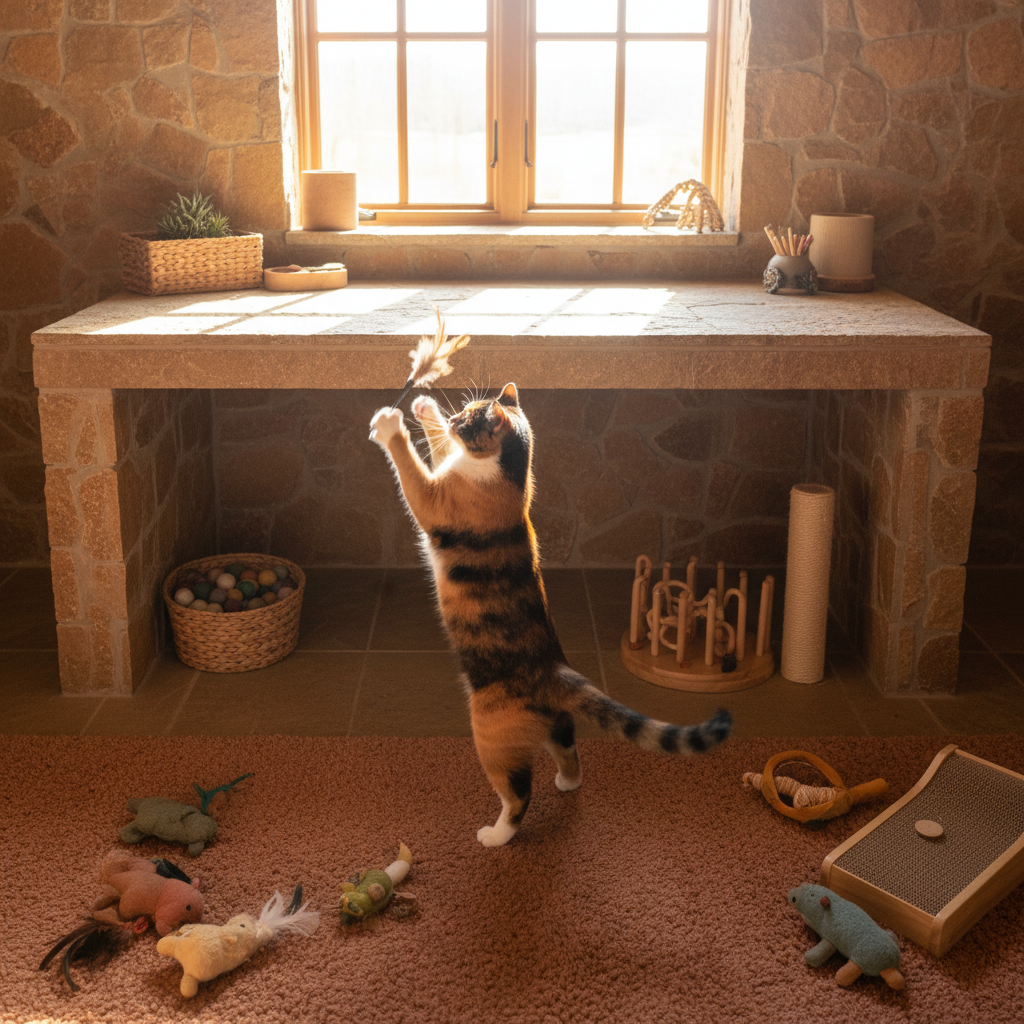
Enrichment is a crucial aspect of creating a positive and supportive environment for your pet. It involves providing them with opportunities to engage in natural behaviors, such as foraging, exploring, and playing. Enrichment can help reduce boredom, alleviate stress, and prevent unwanted behaviors.
Mental Stimulation: Challenging Their Minds
Mental stimulation is just as important as physical exercise for your pet’s well-being. Puzzle toys, interactive feeders, and training sessions can all provide mental stimulation and help keep your pet’s mind sharp. These activities can also help reduce boredom and prevent destructive behaviors.
Puzzle toys require your pet to solve a problem to access a reward, such as food or a toy. These toys can range from simple treat-dispensing balls to more complex puzzles that require your pet to use their problem-solving skills. Interactive feeders encourage your pet to eat more slowly and work for their food, mimicking their natural foraging behavior.
Training sessions are another great way to provide mental stimulation. Teaching your pet new tricks, practicing obedience commands, or even just playing games can help keep their mind engaged and strengthen the bond between you and your pet.
Physical Exercise: Burning Energy and Reducing Stress
Regular physical exercise is essential for your pet’s health and well-being. Exercise helps burn energy, reduce stress, and prevent unwanted behaviors. The amount of exercise your pet needs will depend on their breed, age, and health status. Dogs typically need daily walks or runs, while cats can benefit from interactive play sessions and climbing opportunities.
Provide your dog with opportunities to run, play fetch, or swim. Consider enrolling them in agility classes or dog sports to provide them with a challenging and rewarding form of exercise. For cats, provide them with climbing structures, scratching posts, and interactive toys to encourage them to be active.
Even indoor activities, such as playing hide-and-seek or chasing a laser pointer, can provide your pet with a good workout. The key is to find activities that your pet enjoys and that challenge them both physically and mentally.
Sensory Enrichment: Engaging Their Senses
Sensory enrichment involves providing your pet with opportunities to engage their senses. This could include providing them with access to different textures, smells, sounds, and even tastes. Sensory enrichment can help stimulate their brain, reduce boredom, and improve their overall well-being.
Provide your pet with a variety of toys with different textures, such as plush toys, rubber toys, and rope toys. Allow them to explore different environments, such as a grassy field, a sandy beach, or a wooded trail. Introduce them to new smells, such as catnip, lavender, or even a small amount of peanut butter.
You can also create a sensory garden for your pet, with different plants that have interesting textures and smells. Be sure to choose plants that are safe for your pet to ingest, and supervise them closely to prevent them from eating anything that could be harmful.
The Importance of Professional Guidance
While many behavioral issues can be addressed through environmental modifications and enrichment, some cases require professional guidance. A veterinarian, certified dog trainer, or veterinary behaviorist can help you identify the underlying causes of your pet’s behavior and develop a tailored treatment plan.
Veterinary Consultation: Ruling Out Medical Causes
It’s essential to rule out any underlying medical conditions that might be contributing to your pet’s behavior. Pain, discomfort, or illness can often manifest as behavioral changes. A veterinarian can perform a physical exam, run diagnostic tests, and prescribe medication if necessary to address any medical issues.
For example, a dog who suddenly becomes aggressive might be experiencing pain from arthritis or a dental problem. A cat who starts urinating outside the litter box might have a urinary tract infection or kidney disease. Addressing these medical issues can often resolve the behavioral problems.
It’s also important to discuss any behavioral concerns with your veterinarian during routine checkups. They can provide valuable advice and recommend appropriate interventions.
Certified Dog Trainers: Building Skills and Confidence
A certified dog trainer can help you teach your dog basic obedience commands, address specific behavioral issues, and build their confidence. They can also provide guidance on how to create a positive and supportive environment for your dog.
Look for a trainer who uses positive reinforcement methods, which focus on rewarding desired behaviors rather than punishing unwanted behaviors. Positive reinforcement is more effective and less likely to cause anxiety or fear in your dog.
A good trainer will also work with you to develop a training plan that is tailored to your dog’s individual needs and personality. They will provide you with the tools and knowledge you need to continue the training at home.
Veterinary Behaviorists: Addressing Complex Cases
A veterinary behaviorist is a veterinarian who has specialized in the diagnosis and treatment of behavioral problems in animals. They have extensive training in animal behavior, psychopharmacology, and behavior modification techniques.
Veterinary behaviorists are qualified to treat complex behavioral issues, such as aggression, anxiety disorders, and obsessive-compulsive disorders. They can develop a comprehensive treatment plan that may include medication, behavior modification, and environmental management.
If you’ve tried other interventions without success, or if your pet’s behavior is severe or dangerous, a veterinary behaviorist can provide you with the expertise and support you need.

Creating a Harmonious Home
Ultimately, understanding that your pet’s behavior is a response to their environment empowers you to create a more harmonious and fulfilling life together. By becoming a keen observer, addressing environmental triggers, providing enrichment, and seeking professional guidance when needed, you can transform unwanted behaviors into positive interactions and strengthen the bond you share with your beloved companion. It’s not about blaming your pet for “being bad,” but about taking responsibility for creating an environment where they can thrive and be their best selves. It’s a journey of understanding, empathy, and commitment, and the rewards are immeasurable.

Hi, my name is Robert Max, I live in the United States and I’m the creator of InTechNews. I started this blog with the goal of sharing reliable and practical information about pet care, helping pet owners provide a healthier and happier life for their animals. I’m passionate about animal well-being and believe that good information makes all the difference in responsible pet ownership.