
Beyond the Fetch: Decoding Your Pet’s Toy Preferences
We’ve all been there. You excitedly present your furry companion with the latest, greatest, squeakiest, most technologically advanced pet toy on the market. You envisioned hours of playful romps, adorable photo opportunities, and a mutually satisfying bonding experience. Instead, your pet gives it a cursory sniff, perhaps a tentative paw, and then promptly wanders off to chew on your favorite pair of shoes. What went wrong?
The common assumption is often that your pet is simply being stubborn, picky, or perhaps even ungrateful. “He’s refusing to play!” you might lament. But the reality is often far more nuanced. The toy itself might be the problem, but not in the way you think. It’s not just about personal preference; it’s about understanding your pet’s specific needs, instincts, and cognitive abilities, and matching them with a toy that genuinely stimulates and engages them.
The Mismatch: When Toys Fail to Connect
Think about it this way: Imagine someone giving you a beautifully crafted, intricately designed puzzle that requires advanced knowledge of calculus to solve. Unless you’re a mathematician, you’re likely to find the puzzle frustrating and uninteresting, no matter how aesthetically pleasing it may be. The same principle applies to our pets. A toy that doesn’t align with their natural behaviors, physical capabilities, or cognitive level is destined for the toy bin, untouched and unloved.
For example, a high-energy Border Collie, bred for herding sheep, might quickly become bored with a plush toy designed for gentle cuddling. Conversely, a senior cat with arthritis might struggle to engage with a complex puzzle feeder requiring agility and dexterity. Understanding your pet’s breed, age, energy level, and individual personality is crucial in selecting toys that will genuinely enrich their lives.
Are you truly considering your pet’s unique perspective? Or are you projecting your own ideas of fun and entertainment onto them? This is a critical question to ask yourself when evaluating your pet’s toy collection.
The Science of Play: Understanding Your Pet’s Instincts
Play isn’t just frivolous fun for our pets; it’s an essential component of their physical and mental well-being. It allows them to practice crucial survival skills, release pent-up energy, and engage their cognitive abilities. By understanding the underlying instincts that drive your pet’s play behavior, you can choose toys that tap into these natural drives and provide a more fulfilling and stimulating experience.
Harnessing the Hunting Instinct
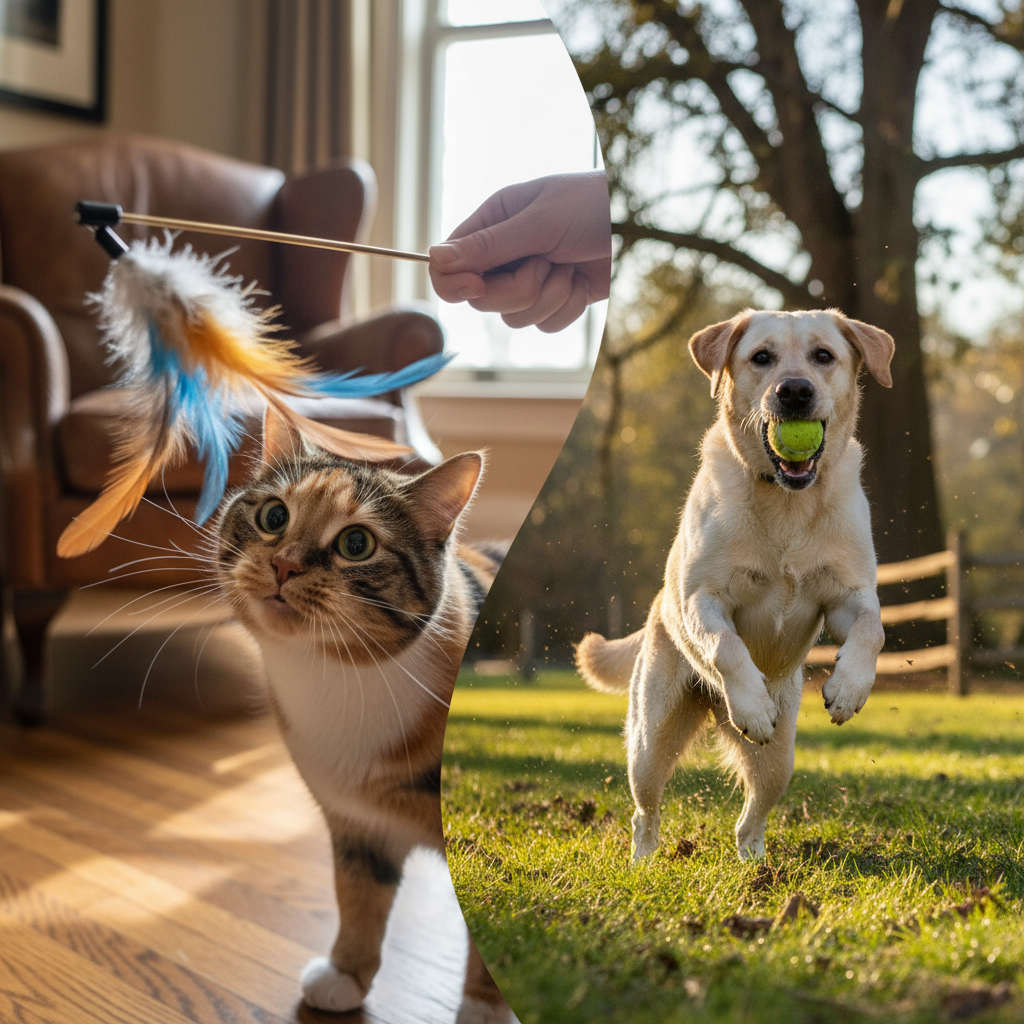
For cats, the hunting instinct is paramount. Toys that mimic the movement and texture of prey are often irresistible. Think feathered wands, laser pointers (used sparingly and responsibly), and small, lightweight toys that can be batted, chased, and pounced upon. The key is to provide opportunities for your cat to stalk, chase, and “capture” their prey, satisfying their innate hunting drive. A simple crumpled piece of paper can be surprisingly effective, provided it’s presented in a way that mimics the erratic movements of a small animal.
Dogs, too, possess a strong hunting instinct, albeit manifested in different ways depending on their breed. Retrievers, for example, are driven by the desire to fetch and carry objects, while terriers are often motivated by digging and chasing small creatures. Toys that cater to these specific instincts, such as durable chew toys, puzzle feeders, and flirt poles, can provide hours of engaging entertainment.
The Power of Sensory Stimulation
Beyond mimicking hunting behaviors, toys can also stimulate your pet’s senses, providing a rich and engaging experience. Consider toys with varied textures, sounds, and smells. Crinkly toys, squeaky toys, and toys infused with catnip can all provide unique sensory stimulation that captures your pet’s attention.
However, it’s important to be mindful of your pet’s individual sensitivities. Some pets may be easily overwhelmed by loud noises or strong smells. Observe your pet’s reaction to different sensory stimuli and adjust your toy selection accordingly. What might be stimulating for one pet could be stressful or frightening for another.
Case Study: The Case of the Disinterested Dachshund
Consider the case of a client with a dachshund named Winston. Winston’s owner complained that he showed little interest in toys, preferring to spend his days napping and following her around the house. After observing Winston’s behavior and learning about the dachshund breed’s history as badger hunters, I recommended introducing toys that appealed to his digging and scent-tracking instincts.
We started with a snuffle mat, a fabric mat with hidden pockets where treats can be buried. Winston immediately took to the snuffle mat, enthusiastically rooting around for hidden treasures. We then introduced a puzzle toy that required him to manipulate different compartments to access treats. Over time, Winston became increasingly engaged in playtime, demonstrating a newfound enthusiasm for toys that tapped into his natural instincts.
The Toy Box Audit: Evaluating Your Pet’s Play Preferences
If your pet is showing little interest in their toys, it’s time to conduct a thorough audit of their toy box. Ask yourself the following questions:
- Is the toy age-appropriate? Puppies and kittens require softer, smaller toys than adult pets. Senior pets may benefit from toys that are easier to grip and manipulate.
- Is the toy safe? Avoid toys with small parts that can be easily swallowed or chewed off. Check toys regularly for signs of wear and tear and discard them immediately if they become damaged.
- Does the toy match my pet’s energy level? High-energy pets need toys that can withstand vigorous play, while calmer pets may prefer toys that are more relaxing and soothing.
- Does the toy stimulate my pet’s mind? Puzzle toys, interactive feeders, and training toys can help keep your pet mentally engaged and prevent boredom.
- Am I actively involved in playtime? Many pets are more likely to engage with toys if their owners are actively involved in the play session. Try playing fetch, tug-of-war, or simply tossing a toy around to encourage your pet to participate.
The Rotation Rule: Keeping Things Fresh
Just like us, pets can become bored with the same old toys. To keep things interesting, try rotating your pet’s toys on a regular basis. Put away some of their toys and introduce new ones, or re-introduce old toys that they haven’t seen in a while. This can help keep their play sessions fresh and exciting.
Think of it as curating a museum exhibit. You wouldn’t display the same artifacts in the same arrangement indefinitely. You would rotate them to keep the exhibit engaging and to highlight different aspects of the collection. The same principle applies to your pet’s toy box.

The Importance of Variety
Variety is the spice of life, and the same holds true for your pet’s toy selection. Offer a range of toys that cater to different instincts and preferences. Some days your pet may be in the mood for a vigorous game of fetch, while other days they may prefer a quiet cuddle with a plush toy. By providing a variety of options, you can ensure that your pet always has something to keep them entertained and engaged.
Beyond Toys: Enriching Your Pet’s Environment
While toys are an important part of your pet’s enrichment, they’re not the only factor to consider. A stimulating and engaging environment can also play a significant role in their overall well-being. Consider the following:
Creating a Stimulating Indoor Space
For indoor pets, it’s important to create a space that is both comfortable and stimulating. Provide plenty of opportunities for climbing, scratching, and exploring. Cat trees, window perches, and tunnels can all help create a more engaging indoor environment. For dogs, provide a comfortable bed, a variety of chew toys, and opportunities for interactive play.
The Benefits of Outdoor Exploration
If possible, provide your pet with opportunities for outdoor exploration. Even a short walk around the block can provide valuable sensory stimulation and opportunities for exercise. For cats, consider building a catio, an enclosed outdoor space that allows them to enjoy the fresh air and sunshine without the risk of escaping.
The Power of Social Interaction
Social interaction is crucial for your pet’s mental and emotional well-being. Spend quality time playing with your pet, talking to them, and providing them with affection. If you have multiple pets, ensure that they have opportunities to interact with each other in a safe and positive manner. Consider dog parks or playdates for social dogs.
The Ethical Considerations of Toy Selection
In our quest to provide our pets with the best possible toys, it’s important to consider the ethical implications of our choices. Where do our toys come from? Are they made from sustainable materials? Are they manufactured in a way that is fair to workers and the environment?
Sustainable and Ethical Toy Options
Look for toys made from sustainable materials, such as recycled plastic, organic cotton, or natural rubber. Support companies that are committed to ethical manufacturing practices and fair labor standards. Avoid toys that are made from toxic materials or that pose a risk to the environment.
By making conscious and informed choices about the toys we buy, we can help ensure that our pets are not only happy and entertained, but also that their toys are contributing to a more sustainable and ethical world.
Beyond Materialism: The Value of Connection
Ultimately, the most important thing you can give your pet is your time and attention. No matter how fancy or expensive a toy may be, it can never replace the value of a genuine connection with you. Spend quality time playing with your pet, cuddling with them, and simply being present in their lives. These moments of connection are what truly matter, and they will strengthen the bond between you and your furry companion.
Troubleshooting Toy Troubles: When to Seek Professional Help
If you’ve tried everything and your pet still shows little interest in toys, it may be time to seek professional help. A veterinarian, certified dog trainer, or animal behaviorist can help you identify any underlying medical or behavioral issues that may be contributing to your pet’s disinterest in play.
Ruling Out Medical Issues
Sometimes, a pet’s lack of interest in toys can be a sign of an underlying medical condition. Arthritis, dental pain, or other health problems can make it difficult or painful for your pet to engage in play. A veterinarian can perform a thorough examination to rule out any medical issues and recommend appropriate treatment.
Addressing Behavioral Concerns
In other cases, a pet’s disinterest in toys may be a sign of a behavioral issue, such as anxiety, fear, or depression. A certified dog trainer or animal behaviorist can help you identify the underlying cause of these behaviors and develop a plan to address them. This may involve desensitization techniques, counter-conditioning, or other behavioral modification strategies.
The Importance of Patience and Understanding
Remember that every pet is an individual, and what works for one pet may not work for another. Be patient and understanding with your pet, and don’t give up on finding toys and activities that they enjoy. With a little effort and creativity, you can help your pet lead a happy, healthy, and fulfilling life.

The key takeaway is this: your pet isn’t necessarily “refusing” to play. The toy simply isn’t working *for them*. By understanding their individual needs, instincts, and preferences, and by being willing to experiment and adapt, you can unlock a world of playful possibilities and strengthen the bond between you and your beloved companion. It’s about seeing the world from their perspective, not forcing them into yours.

Hi, my name is Robert Max, I live in the United States and I’m the creator of InTechNews. I started this blog with the goal of sharing reliable and practical information about pet care, helping pet owners provide a healthier and happier life for their animals. I’m passionate about animal well-being and believe that good information makes all the difference in responsible pet ownership.