
Understanding Your Pet’s Needs: Beyond Simple Commands
We often think of pet ownership in terms of training and obedience. We want our dogs to sit, stay, and come when called. We teach our cats to use the litter box and maybe even perform a trick or two. But is that really the extent of our responsibility as pet owners? Is it enough to simply correct unwanted behaviors and reward the desired ones? The truth is, our pets need so much more than just a series of commands. They need guidance, understanding, and a safe space to learn and grow, not just constant corrections.
Consider this: a child learning to ride a bike. Do we simply yell “wrong!” every time they wobble or fall? Of course not. We offer encouragement, support, and gentle guidance. We run alongside them, helping them find their balance and build their confidence. Our pets deserve the same level of patience and understanding. They are not robots to be programmed, but sentient beings with their own unique personalities, fears, and motivations.
The Pitfalls of Correction-Based Training
While correction-based training methods might seem effective in the short term, they can have detrimental long-term effects on your pet’s well-being. Constant corrections can create anxiety, fear, and even aggression. Imagine living in a world where every mistake is met with punishment. Would you feel safe, secure, and motivated to learn? Probably not. Your pet is no different.
Moreover, excessive correction can damage the bond between you and your pet. Trust is the foundation of any healthy relationship, and constant criticism erodes that trust. Your pet might start to see you as a source of fear and anxiety, rather than a source of love and support. This can lead to a breakdown in communication and a decrease in overall happiness for both of you.
Take the example of a dog who is constantly scolded for barking. While the owner might be trying to silence the dog, they are not addressing the underlying cause of the barking. Is the dog bored, anxious, or simply trying to protect its territory? By focusing solely on the correction, the owner is missing an opportunity to understand the dog’s needs and address the problem in a more constructive way.
The Power of Positive Reinforcement and Guidance
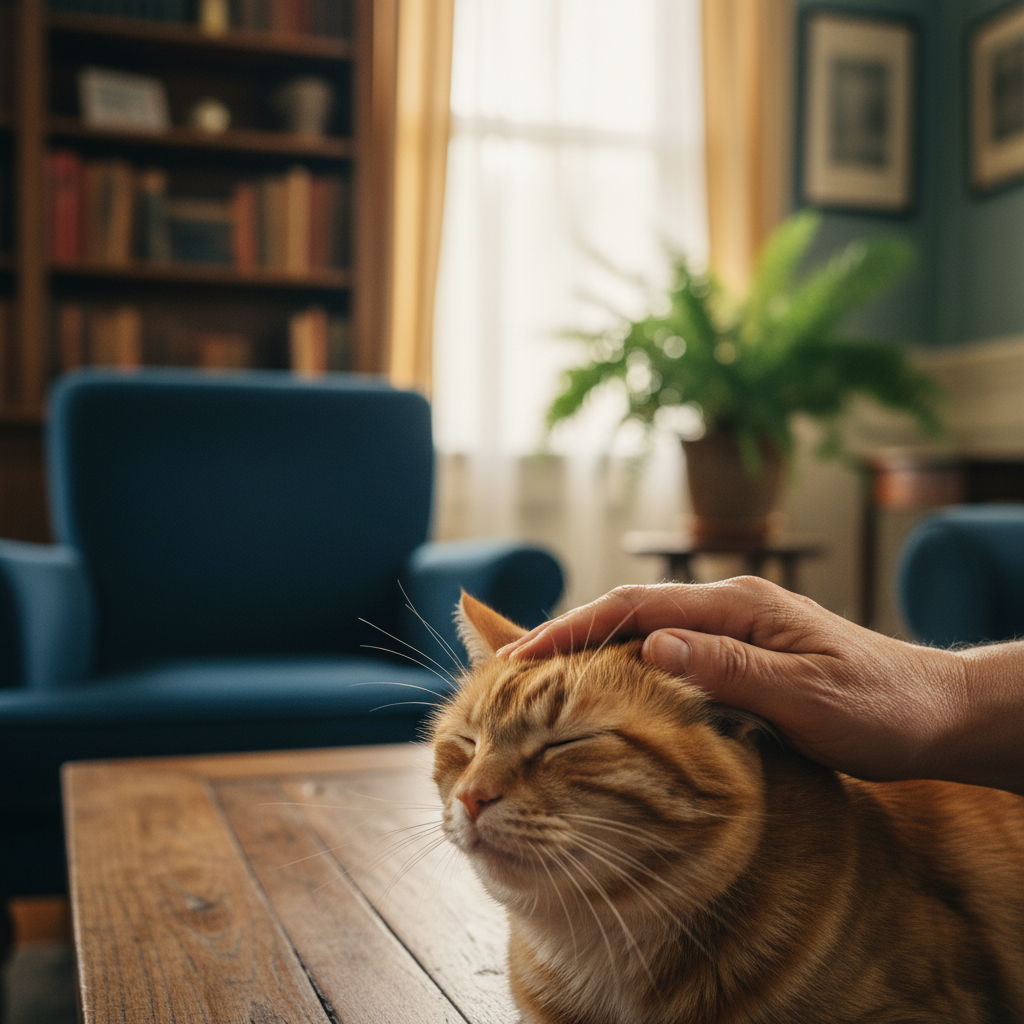
Instead of focusing on what your pet is doing wrong, try shifting your focus to what they are doing right. Positive reinforcement involves rewarding desired behaviors, making them more likely to occur in the future. This can be done with treats, praise, toys, or even just a gentle pat on the head.
Guidance, on the other hand, involves creating a safe and supportive environment where your pet can learn and explore without fear of punishment. This might involve providing them with plenty of exercise, mental stimulation, and opportunities to socialize with other animals and people. It also means understanding their natural instincts and providing them with appropriate outlets for those instincts.
For instance, a cat who is scratching the furniture might be doing so because they need to sharpen their claws. Instead of scolding the cat, provide them with a scratching post and reward them when they use it. This not only protects your furniture but also fulfills the cat’s natural need to scratch.
Building a Stronger Bond Through Understanding
When you approach pet ownership with a focus on guidance and positive reinforcement, you create a stronger, more meaningful bond with your animal companion. They will feel safe, loved, and understood, which will lead to a happier and more well-adjusted pet. You will also find that training becomes easier and more enjoyable, as your pet will be more motivated to please you and less likely to act out of fear or anxiety.
Think about a dog learning a new trick. Instead of forcing the dog into the desired position, use positive reinforcement to guide them. Break the trick down into smaller steps and reward the dog for each step they master. With patience and encouragement, the dog will eventually learn the entire trick and feel a sense of accomplishment. This positive experience will strengthen the bond between you and your dog and make them more eager to learn new things in the future.
Addressing the Root Cause of Problem Behaviors
Often, problem behaviors are not simply acts of defiance but rather symptoms of underlying issues. It’s crucial to look beyond the surface and understand what might be causing your pet to act out. Are they bored? Anxious? Scared? Lonely? By addressing the root cause of the problem, you can create a lasting solution that benefits both you and your pet.
Consider a dog who is constantly chewing on furniture. Instead of simply punishing the dog, try to understand why they are chewing. Are they teething? Do they lack mental stimulation? Are they suffering from separation anxiety? Providing appropriate chew toys, increasing exercise, and addressing any underlying anxiety issues can help to eliminate the destructive chewing behavior.
This approach requires patience, empathy, and a willingness to learn about your pet’s unique needs. It’s not always easy, but the rewards are well worth the effort. A well-adjusted and happy pet makes for a happier and more fulfilling life for you as well.

Case Study: From Anxious Dog to Confident Companion
Let’s look at a real-life example. Sarah adopted a rescue dog named Max who was extremely anxious and fearful. Max would bark at strangers, cower at loud noises, and generally seemed terrified of the world. Sarah’s initial instinct was to try to correct Max’s behavior by scolding him and pulling him away from triggering situations. However, she quickly realized that this approach was only making things worse.
Instead, Sarah decided to focus on creating a safe and supportive environment for Max. She started by providing him with a quiet and comfortable space where he could retreat when he felt overwhelmed. She also began taking him on short walks in quiet areas, gradually exposing him to new sights and sounds. Most importantly, she used positive reinforcement to reward Max for any signs of bravery or calmness.
Slowly but surely, Max began to come out of his shell. He started to trust Sarah and feel more comfortable in his surroundings. With patience and consistent training, Max eventually overcame his anxiety and became a confident and loving companion. Sarah’s success was not due to constant corrections but rather to her understanding of Max’s needs and her commitment to providing him with the support he needed to heal.
The Importance of Understanding Your Pet’s Body Language
Effective communication is essential for any successful relationship, and that includes the relationship you have with your pet. Learning to understand your pet’s body language can help you to anticipate their needs, prevent problem behaviors, and strengthen your bond. Animals communicate primarily through body language, so learning to read these signals is crucial for effective guidance.
For example, a dog who is yawning, licking their lips, or turning their head away might be feeling stressed or uncomfortable. A cat who is flicking their tail or flattening their ears might be feeling threatened or aggressive. By recognizing these subtle cues, you can intervene before the situation escalates and prevent your pet from feeling overwhelmed or anxious.
Understanding your pet’s body language also allows you to respond more appropriately to their needs. If your dog is panting heavily, they might be too hot and need water or shade. If your cat is rubbing against your legs, they might be seeking attention or affection. By paying attention to these signals, you can provide your pet with the care and support they need to thrive.
Beyond the Basics: Deepening Your Connection
This goes beyond simply recognizing basic signals. It’s about developing a deep understanding of your individual pet’s personality and quirks. What makes them happy? What makes them anxious? What are their favorite ways to play? The more you know about your pet, the better equipped you will be to provide them with the guidance and support they need to live a happy and fulfilling life.
Consider a dog who loves to fetch. Instead of just throwing the ball repeatedly, try varying the game by hiding the ball or making the dog work for it. This will not only provide them with physical exercise but also mental stimulation, which can help to prevent boredom and problem behaviors. By understanding your dog’s love of fetching, you can create a game that is both fun and enriching for them.

The Role of Environment in Shaping Behavior
The environment in which your pet lives plays a significant role in shaping their behavior. A stimulating and enriching environment can help to prevent boredom, reduce stress, and promote overall well-being. Conversely, a boring or stressful environment can lead to problem behaviors and negatively impact your pet’s mental and physical health.
For dogs, this might mean providing them with plenty of opportunities to exercise, explore, and socialize. Regular walks, trips to the park, and playdates with other dogs can help to keep them physically and mentally stimulated. It’s also important to provide them with a variety of toys and activities to keep them entertained when you are not around.
For cats, creating a stimulating environment might involve providing them with climbing structures, scratching posts, and interactive toys. Cats are natural hunters, so providing them with opportunities to stalk, pounce, and chase can help to satisfy their instincts and prevent them from becoming bored or destructive.
Creating a Safe and Supportive Home
Beyond physical enrichment, it’s also important to create a safe and supportive emotional environment for your pet. This means providing them with a consistent routine, a comfortable place to sleep, and plenty of love and attention. It also means avoiding situations that might be stressful or frightening for them.
If your dog is afraid of thunderstorms, create a safe space for them where they can retreat during storms. If your cat is nervous around strangers, provide them with a quiet room where they can hide when guests are visiting. By understanding your pet’s fears and anxieties, you can create a home that is a sanctuary for them.
Embrace Imperfection: Learning and Growing Together
It’s important to remember that pet ownership is a journey, not a destination. There will be times when you make mistakes, and your pet will undoubtedly have their fair share of missteps as well. The key is to approach these challenges with patience, understanding, and a willingness to learn and grow together.
Don’t be afraid to seek help from a professional trainer or veterinarian if you are struggling with a particular behavior issue. They can provide you with valuable insights and guidance to help you and your pet overcome these challenges. Remember, you are not alone, and there are plenty of resources available to support you on your pet ownership journey.
Most importantly, remember to enjoy the time you spend with your pet. They are a source of unconditional love, companionship, and joy. Cherish every moment and focus on building a strong and lasting bond based on trust, respect, and understanding. It’s about constant guidance and nurturing, not constant corrections.

Ultimately, the goal is to create a harmonious relationship where both you and your pet can thrive. This requires a shift in mindset from focusing on corrections to providing constant guidance, understanding, and a safe space for learning and growth. By embracing this approach, you can unlock the full potential of your relationship with your animal companion and create a bond that is truly unbreakable. It’s not about perfection, it’s about progress, patience, and unwavering love.

Hi, my name is Robert Max, I live in the United States and I’m the creator of InTechNews. I started this blog with the goal of sharing reliable and practical information about pet care, helping pet owners provide a healthier and happier life for their animals. I’m passionate about animal well-being and believe that good information makes all the difference in responsible pet ownership.