
The Unseen Architect: Environment’s Role in Shaping Pet Behavior
We often look at our pets and marvel, or sometimes despair, at their quirky behaviors. We might attribute Fido’s constant barking to a “nervous” personality, or Fluffy’s aloofness to being “independent.” But what if I told you that your pet’s behavior isn’t solely a product of their inherent personality, but rather, a carefully constructed response to the environment you’ve created for them?
This isn’t about blaming pet owners. It’s about shifting the perspective from inherent traits to the powerful influence of environment. Imagine a plant struggling to grow in poor soil. We wouldn’t immediately label it as a “bad” plant. Instead, we’d examine the soil, the sunlight, the water – the environment – and make adjustments to foster its growth. The same principle applies to our pets.
So, how does the environment truly shape your pet’s behavior? Let’s dive into the details.
Understanding the Environmental Influence
The environment encompasses everything that surrounds your pet, from the physical space they inhabit to the social interactions they experience. This includes:
- Physical Space: The size of their living area, access to outdoor spaces, the presence of stimulating objects like toys and scratching posts.
- Social Interactions: The frequency and quality of interactions with humans and other animals in the household.
- Routine and Consistency: Predictable feeding schedules, walks, playtime, and bedtime routines.
- Sensory Input: Exposure to various sounds, smells, sights, and textures.
- Training and Enrichment: Opportunities for learning new skills, problem-solving, and mental stimulation.
Each of these elements plays a crucial role in shaping your pet’s behavior. Let’s consider a few scenarios to illustrate this point.
Case Study 1: The Anxious Apartment Dog
Meet Bella, a small terrier mix living in a small apartment. Her owners work long hours and Bella is often left alone with limited access to the outdoors. Her primary outlet for pent-up energy is barking incessantly whenever she hears noises outside. Her owners, frustrated and believing Bella is simply “naturally anxious,” have tried various calming aids with limited success.
The problem isn’t necessarily Bella’s inherent anxiety. The environment is contributing significantly to her behavior. A small living space, lack of exercise, and social isolation create a breeding ground for anxiety. The noises outside become amplified triggers in her confined environment, leading to excessive barking.
The solution? Addressing the environmental factors. This could involve:
- Providing more exercise through daily walks or dog park visits.
- Enriching Bella’s environment with puzzle toys and interactive games to combat boredom.
- Hiring a dog walker or pet sitter to provide social interaction during the day.
- Using white noise or calming music to mask external sounds.
By modifying Bella’s environment, her owners can significantly reduce her anxiety and barking, ultimately improving her quality of life and theirs.
Case Study 2: The Destructive Kitten
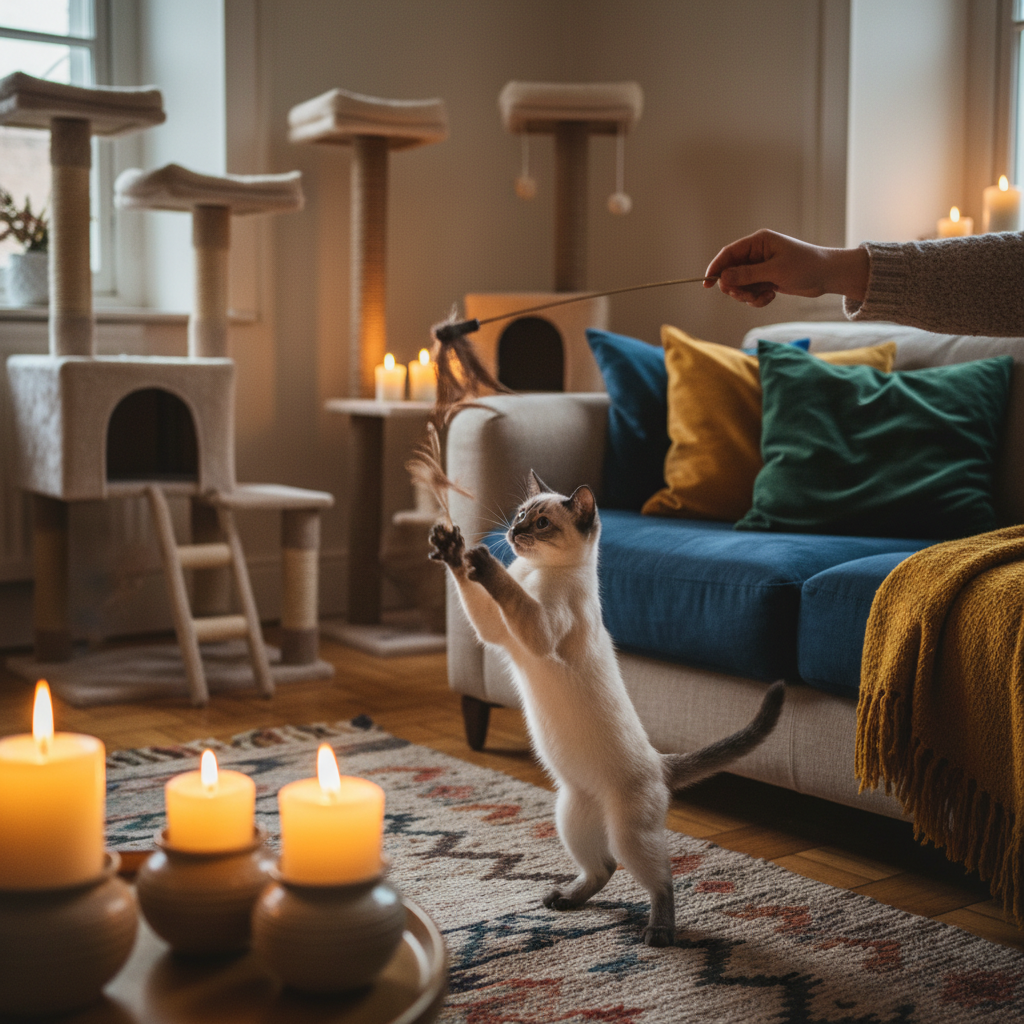
Leo, a young Siamese kitten, is tearing up the furniture. His owners are at their wit’s end, scolding him constantly and even considering declawing him. They believe Leo is simply a “bad” cat who enjoys being destructive.
Again, let’s look at the environment. Does Leo have enough scratching posts? Are they appealing to him (e.g., different textures, vertical and horizontal options)? Does he have enough opportunities to play and engage in his natural hunting instincts?
The answer, in this case, was no. Leo was bored and lacked appropriate outlets for his energy. The furniture was simply a convenient target. Providing him with multiple scratching posts in various locations, along with daily interactive play sessions involving chasing, pouncing, and batting toys, drastically reduced his destructive behavior. The owners also started using a deterrent spray on the furniture to further discourage scratching.
The Importance of Consistency and Routine
Pets thrive on predictability. A consistent routine provides them with a sense of security and reduces anxiety. Imagine a child who never knows when their next meal will be or when they’ll have to go to bed. They’d likely be anxious and insecure. The same holds true for our pets.
Establishing a consistent schedule for feeding, walks, playtime, and bedtime can significantly improve your pet’s overall well-being and reduce behavioral problems. A predictable routine helps them anticipate what’s coming next, reducing uncertainty and anxiety.
For example, if your dog knows they will be taken for a walk every morning at 7 am, they are less likely to exhibit anxious behaviors like pacing or whining in anticipation. Similarly, if your cat knows they will be fed every evening at 6 pm, they are less likely to engage in attention-seeking behaviors like meowing incessantly.
The Power of Positive Reinforcement and Training
Training isn’t just about teaching your pet tricks. It’s about creating a positive and enriching environment where they can learn, grow, and build a strong bond with you. Positive reinforcement, using rewards like treats and praise, is far more effective than punishment in shaping desired behaviors.
Punishment can create fear and anxiety, leading to more behavioral problems in the long run. Imagine being constantly criticized and reprimanded at work. Would you feel motivated and engaged? Or would you become withdrawn and resentful?
Instead, focus on rewarding your pet for good behavior. For example, if your dog stays quiet when the doorbell rings, reward them with a treat and praise. If your cat uses the scratching post instead of the furniture, reward them with a treat and affection. This will reinforce the desired behavior and make them more likely to repeat it in the future.
Example: Teaching a Dog to “Settle”
Many dogs struggle with settling down and relaxing, especially in new or stimulating environments. Teaching your dog a “settle” command can be a valuable tool for managing this behavior. Here’s how:
- Find a comfortable spot: Designate a specific spot, like a dog bed or mat, as your dog’s “settle” spot.
- Lure them to the spot: Use a treat to lure your dog to the spot. As soon as they step onto the spot, say “settle” and give them the treat.
- Reward them for staying: Gradually increase the amount of time your dog stays on the spot before giving them a treat. Start with a few seconds and gradually work up to several minutes.
- Add distractions: Once your dog can stay on the spot for a few minutes, start adding distractions, like walking around the room or talking to someone. Reward them for staying on the spot despite the distractions.
- Practice in different environments: Once your dog has mastered the “settle” command at home, start practicing it in different environments, like the park or a friend’s house.
By consistently practicing the “settle” command, you can create a calm and relaxing environment for your dog, helping them to manage their anxiety and settle down in any situation.
The Role of Sensory Enrichment
Our pets experience the world through their senses, just like we do. Providing them with a variety of sensory experiences can be incredibly enriching and help to prevent boredom and behavioral problems. This is particularly important for indoor pets who may have limited exposure to the outside world.
Here are some ways to provide sensory enrichment for your pet:
- Smell: Offer puzzle toys filled with different scents, like herbs or essential oils (ensure they are pet-safe). Take your dog on walks in areas with diverse smells.
- Sound: Play calming music or nature sounds. Provide toys that make interesting noises.
- Sight: Offer a window perch for your cat to watch birds and other wildlife. Provide different colored toys for your dog to play with.
- Touch: Provide different textures for your pet to explore, like soft blankets, rough scratching posts, and smooth toys.
- Taste: Offer a variety of healthy treats and chews. Consider food puzzles that require your pet to work for their food.
Example: Creating a Sensory Garden for Your Cat
Even if you don’t have a large backyard, you can create a small sensory garden for your cat on a balcony or patio. Plant cat-friendly herbs like catnip, cat thyme, and valerian. Add different textures like rocks, gravel, and mulch. Provide a small water feature for your cat to drink from and play in. This will create a stimulating and enriching environment for your cat, helping to prevent boredom and behavioral problems.

Addressing Problem Behaviors Through Environmental Modification
If your pet is already exhibiting problem behaviors, modifying their environment can be a powerful tool for addressing these issues. The key is to identify the environmental triggers that are contributing to the behavior and then make changes to minimize or eliminate these triggers.
Example: Addressing Resource Guarding in Dogs
Resource guarding is a common behavioral problem in dogs where they become possessive of food, toys, or other objects and may growl, snap, or bite if someone approaches. This behavior is often rooted in anxiety and insecurity.
Here’s how you can modify the environment to address resource guarding:
- Feed your dog in a quiet, secluded area: This will reduce their anxiety about someone approaching their food.
- Avoid approaching your dog while they are eating or playing with a toy: This will help them to feel more secure and less likely to guard their resources.
- Practice “trading”: Offer your dog a higher-value treat in exchange for the item they are guarding. This will teach them that giving up the item can be rewarding.
- Desensitize your dog to your presence: Gradually approach your dog while they are eating or playing with a toy, but don’t try to take the item away. Simply stand nearby and talk to them in a calm and reassuring voice. Reward them for staying calm and relaxed.
By modifying the environment and using positive reinforcement techniques, you can help your dog to overcome their resource guarding behavior and feel more secure about their possessions.
The Importance of Observation and Adaptability
Every pet is an individual, and what works for one may not work for another. It’s crucial to observe your pet’s behavior closely and be willing to adapt your approach as needed. Pay attention to their body language, their reactions to different stimuli, and their overall well-being.
If you notice that your pet is exhibiting signs of stress or anxiety, try to identify the environmental triggers and make changes to minimize or eliminate these triggers. Don’t be afraid to experiment with different enrichment activities and training techniques to find what works best for your pet.
Example: Adjusting to a New Baby in the Household
Bringing a new baby into the household can be a major adjustment for pets. The change in routine, the new smells and sounds, and the reduced attention can all contribute to stress and anxiety.
Here’s how you can modify the environment to help your pet adjust to the new baby:
- Gradually introduce your pet to the baby’s scent: Bring home a blanket or piece of clothing that the baby has worn and let your pet sniff it.
- Create a safe space for your pet: Provide a quiet and comfortable space where your pet can retreat when they need a break from the baby.
- Maintain your pet’s routine as much as possible: Try to stick to your pet’s regular feeding, walking, and playtime schedule.
- Supervise interactions between your pet and the baby: Never leave your pet and the baby unsupervised.
- Give your pet plenty of attention: Make sure your pet still feels loved and valued despite the new addition to the family.
By carefully managing the environment and providing your pet with plenty of support, you can help them to adjust to the new baby and prevent behavioral problems from developing.

Beyond the Home: The Extended Environment
While the home environment is crucial, it’s important to remember that your pet’s environment extends beyond the four walls of your house. The neighborhood, the dog park, even the car ride to the vet can all impact their behavior. Consider these external factors when assessing your pet’s overall well-being.
For example, a dog who is reactive to other dogs may become anxious and stressed every time they go for a walk in a busy neighborhood. Modifying their environment could involve walking them in less crowded areas or at less popular times. Similarly, a cat who is afraid of car rides may become stressed before even entering the car. Desensitization techniques, such as gradually acclimating them to the car, can help to reduce their anxiety.
The Importance of Socialization
Socialization is a critical aspect of environmental enrichment, especially for puppies and kittens. Exposing them to a variety of people, animals, and environments early in life can help them to develop into well-adjusted and confident adults.
However, it’s important to approach socialization carefully and ensure that your pet has positive experiences. Avoid overwhelming them with too much stimulation at once, and always supervise interactions to ensure their safety and well-being. A fearful or negative experience during socialization can have lasting consequences.
Example: Socializing a Puppy
When socializing a puppy, start by exposing them to a variety of sights, sounds, and smells in a controlled and positive environment. Take them to different locations, like the park, the pet store, and a friend’s house. Introduce them to different people, including children, seniors, and people wearing hats or sunglasses. Expose them to different animals, like other dogs, cats, and even farm animals (if possible).
Always supervise interactions and ensure that your puppy is having a positive experience. If they seem overwhelmed or fearful, remove them from the situation and try again later at a slower pace. Reward them for calm and confident behavior with treats and praise.
The Long-Term Benefits of Environmental Enrichment
Investing in your pet’s environment isn’t just about addressing problem behaviors. It’s about creating a happy, healthy, and fulfilling life for them. A rich and stimulating environment can help to prevent boredom, reduce stress, improve cognitive function, and strengthen the bond between you and your pet.
Think of it as preventative healthcare. By providing your pet with the right environment, you can help to prevent behavioral problems from developing in the first place. This can save you time, money, and heartache in the long run. More importantly, you’ll be giving your pet the best possible life.
Consider the difference between a dog confined to a small backyard with nothing to do and a dog who enjoys daily walks, puzzle toys, and social interaction. Which dog is likely to be happier and healthier? Which dog is likely to exhibit fewer behavioral problems?
The answer is clear. By creating a rich and stimulating environment for your pet, you are investing in their overall well-being and ensuring that they live a long and fulfilling life.
Ultimately, understanding that your pet’s behavior is deeply intertwined with their environment empowers you to be a more proactive and effective pet owner. It’s about moving beyond simplistic labels and recognizing the profound impact you have on shaping their lives. By creating a stimulating, predictable, and loving environment, you are not just training a pet; you are nurturing a companion.

Hi, my name is Robert Max, I live in the United States and I’m the creator of InTechNews. I started this blog with the goal of sharing reliable and practical information about pet care, helping pet owners provide a healthier and happier life for their animals. I’m passionate about animal well-being and believe that good information makes all the difference in responsible pet ownership.