
Beyond the Bowl: Holistic Wellness for Your Furry Friend
We often equate our pets’ health with the food we put in their bowls. While nutrition is undoubtedly a cornerstone of well-being, it’s just one piece of a much larger, more intricate puzzle. To truly nurture our companions, we need to adopt a holistic approach, recognizing that their physical, mental, and emotional states are deeply intertwined. Ignoring any one aspect can have cascading effects, impacting their overall vitality and happiness.
Think of it like a finely tuned instrument. You can provide the best materials and craftsmanship, but if the strings are out of tune or the bridge is misaligned, the sound will be discordant. Similarly, even the most premium pet food won’t fully compensate for a lack of exercise, mental stimulation, or loving companionship. So, how do we create a harmonious balance that allows our pets to thrive?
The Interconnected Web of Pet Health
The traditional view of pet health often focuses on addressing specific symptoms or ailments in isolation. A holistic perspective, however, seeks to understand the root causes of imbalance and treat the whole animal, not just the presenting problem. This involves considering a wide range of factors, including diet, exercise, environment, social interactions, stress levels, and even the human-animal bond.
For example, a dog exhibiting skin allergies might be treated with medication to alleviate the itching and inflammation. But a holistic veterinarian would also explore potential food sensitivities, environmental allergens, underlying gut health issues, and even stress as contributing factors. By addressing these underlying imbalances, they aim to achieve long-term relief and prevent recurrence.
Consider a cat constantly grooming to the point of hair loss. The conventional approach might be to prescribe medication for anxiety or skin irritation. A holistic approach would consider dietary sensitivities, boredom, lack of environmental enrichment, and even the cat’s relationship with other pets in the household. The goal is to identify and address the root cause of the overgrooming, not just mask the symptom.

The Pillars of Holistic Pet Wellness
To cultivate a truly holistic lifestyle for our pets, we need to focus on several key areas:
Nutritional Harmony
While we’ve established that nutrition isn’t everything, it remains a fundamental building block of health. Choosing the right food for your pet’s individual needs is crucial. This means considering their species, breed, age, activity level, and any specific health conditions they may have.
Reading ingredient labels carefully is essential. Look for high-quality protein sources, whole grains (if appropriate), healthy fats, and a variety of fruits and vegetables. Avoid foods that are loaded with fillers, artificial colors, flavors, and preservatives. Many pet owners are now exploring raw food diets or home-cooked meals under the guidance of a veterinary nutritionist to ensure optimal nutrient intake.
However, it’s not just about what you feed, but also how you feed. Consider incorporating puzzle feeders or snuffle mats to make mealtime more mentally stimulating. Rotate food types to expose your pet to a wider range of nutrients and prevent the development of sensitivities. And always provide fresh, clean water.
Movement and Mental Stimulation
Just like humans, pets need regular exercise to maintain their physical and mental well-being. The amount and type of exercise will vary depending on the species, breed, and age of your pet. Dogs typically require daily walks, playtime, and opportunities to explore their environment. Cats benefit from interactive play sessions, climbing structures, and puzzle toys. Even smaller animals like rabbits and guinea pigs need daily opportunities to stretch their legs and engage in enriching activities.
Mental stimulation is equally important. Boredom can lead to destructive behaviors, anxiety, and even depression. Provide your pet with a variety of toys, rotate them regularly to keep things interesting, and engage in activities that challenge their minds. Training sessions, puzzle toys, and even simple games like hide-and-seek can provide valuable mental enrichment.
Consider a Border Collie, a breed renowned for its intelligence and herding instincts. If confined to a small apartment with minimal exercise and mental stimulation, this dog is likely to develop behavioral problems. Providing ample opportunities for physical activity, training, and engaging in activities that mimic herding, such as playing fetch or chasing a frisbee, is crucial for their well-being.
The Power of the Human-Animal Bond
The relationship we have with our pets is a powerful force that can significantly impact their health and happiness. A strong, loving bond provides a sense of security, reduces stress, and promotes overall well-being.
Spend quality time with your pet each day, engaging in activities they enjoy. This could be anything from cuddling on the couch to going for a walk in the park. Pay attention to their body language and learn to understand their needs. Respond to their signals with patience and compassion. Regular grooming sessions can also be a wonderful way to bond with your pet and check for any potential health issues.
Studies have shown that interacting with pets can lower blood pressure, reduce stress hormones, and increase levels of oxytocin, the “love hormone.” This is beneficial for both humans and animals. The mutual affection and companionship we share with our pets is a powerful source of healing and well-being.

Environmental Enrichment
The environment in which our pets live plays a significant role in their health and happiness. Creating a stimulating and comfortable environment can help reduce stress, promote natural behaviors, and improve overall well-being.
For cats, this means providing plenty of vertical space, such as climbing trees or shelves. Scratching posts are essential for maintaining healthy claws and providing a way to mark their territory. Provide multiple litter boxes in different locations, and keep them clean. Offer a variety of toys and rotate them regularly to keep things interesting. Window perches allow cats to observe the outside world and satisfy their natural curiosity.
For dogs, this means providing a comfortable and safe space where they can relax and sleep. Offer a variety of toys and rotate them regularly to prevent boredom. Provide opportunities to explore their environment through walks and playtime. Ensure that their living space is clean and free of hazards.
Even small animals like rabbits and guinea pigs need environmental enrichment. Provide them with a spacious cage or hutch, plenty of toys, and opportunities to explore outside of their enclosure. Chew toys are essential for maintaining healthy teeth. Provide hiding places where they can feel safe and secure.
Minimizing Stress
Stress can have a profound impact on a pet’s health, weakening their immune system, disrupting their digestive system, and contributing to behavioral problems. Identifying and minimizing sources of stress is crucial for their well-being.
Common stressors for pets include loud noises, changes in routine, separation anxiety, conflict with other animals, and unfamiliar environments. Try to create a predictable and consistent routine for your pet. Provide them with a safe and comfortable space where they can retreat when they feel overwhelmed. Use calming aids, such as pheromone diffusers or calming treats, to help reduce anxiety. And always consult with your veterinarian or a qualified behaviorist if you are concerned about your pet’s stress levels.
Imagine a dog who suffers from separation anxiety. When left alone, they may bark excessively, chew furniture, or urinate in the house. These behaviors are not signs of spitefulness; they are expressions of distress. Addressing the underlying anxiety through training, environmental enrichment, and, in some cases, medication, is crucial for improving the dog’s quality of life.
The Role of Holistic Veterinary Care
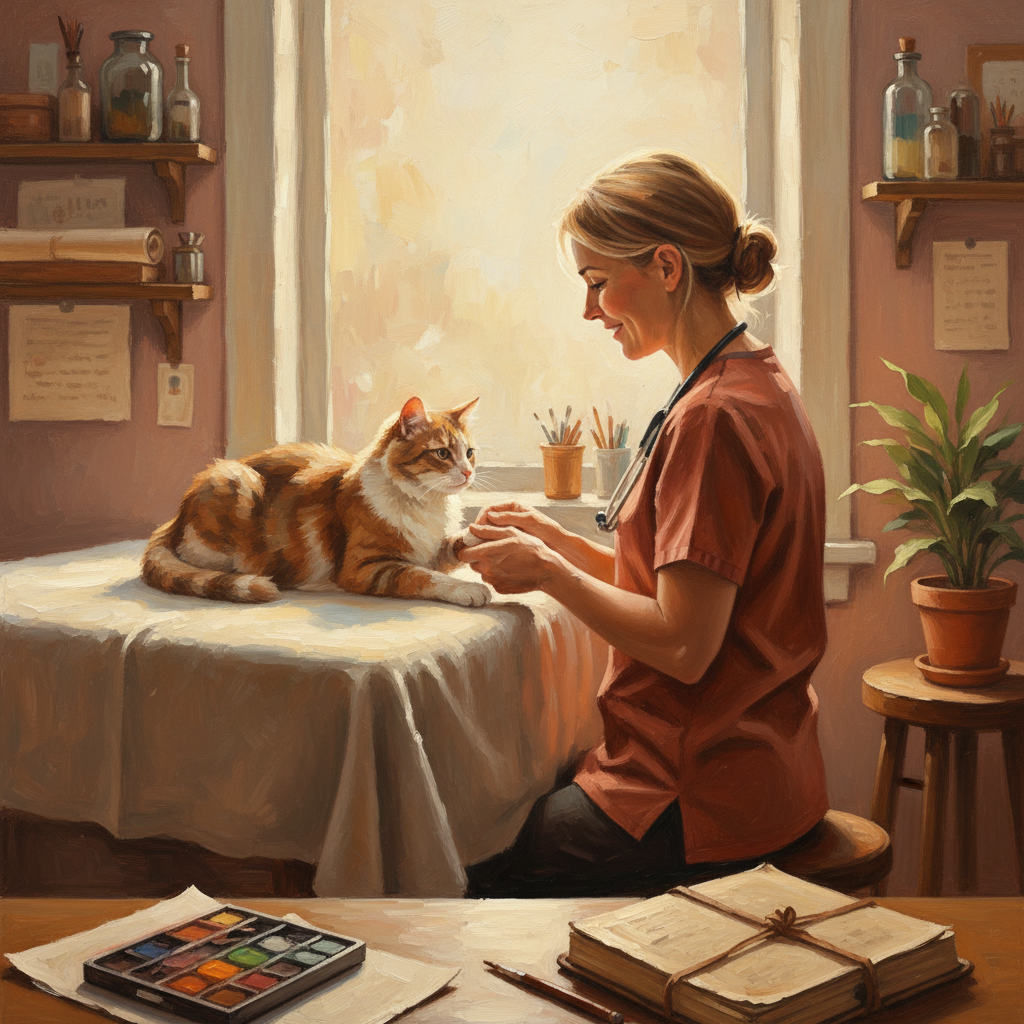
Finding a veterinarian who embraces a holistic approach is essential for providing comprehensive care for your pet. Holistic veterinarians consider all aspects of your pet’s life when diagnosing and treating illness. They may use a variety of modalities, including acupuncture, herbal medicine, chiropractic, and nutritional therapy, in addition to conventional medicine.
Holistic veterinarians often spend more time with their patients, taking a thorough history and performing a comprehensive physical exam. They are interested in understanding the root causes of illness and working with you to develop a personalized treatment plan that addresses your pet’s individual needs. They also emphasize preventative care, focusing on maintaining optimal health and preventing disease.
Choosing a holistic veterinarian is not about rejecting conventional medicine; it’s about integrating the best of both worlds to provide the most comprehensive and effective care for your pet. It’s about empowering you to be an active participant in your pet’s health journey and working together to create a healthier, happier life for your furry friend.
Small Changes, Big Impact
Adopting a holistic approach to pet care doesn’t require drastic changes or a complete overhaul of your lifestyle. Even small, incremental changes can have a significant impact on your pet’s health and happiness. Start by focusing on one or two areas that you feel could be improved. Perhaps you could commit to taking your dog for longer walks, providing your cat with more interactive playtime, or switching to a higher-quality pet food. As you see the positive results, you’ll be motivated to make further changes.
Practical Steps You Can Take Today
- Evaluate your pet’s diet: Are you feeding a high-quality food that meets their individual needs? Read ingredient labels carefully and consider consulting with your veterinarian or a veterinary nutritionist for guidance.
- Increase exercise and mental stimulation: Provide your pet with ample opportunities for physical activity and mental enrichment. This could include walks, playtime, training sessions, puzzle toys, and environmental enrichment.
- Strengthen the human-animal bond: Spend quality time with your pet each day, engaging in activities they enjoy. Pay attention to their body language and respond to their needs with patience and compassion.
- Create a comfortable and stimulating environment: Ensure that your pet’s living space is clean, safe, and stimulating. Provide them with a comfortable place to rest and retreat, as well as opportunities to explore and engage in natural behaviors.
- Minimize stress: Identify and minimize sources of stress in your pet’s life. Create a predictable routine, provide a safe space, and use calming aids when necessary.
- Find a holistic veterinarian: Seek out a veterinarian who embraces a holistic approach to pet care and is willing to work with you to develop a personalized treatment plan for your pet.
Consider introducing a new enrichment activity each week. One week, you might introduce a new puzzle toy. The next week, you might take your dog to a new park or hiking trail. The following week, you might try teaching your cat a new trick. By consistently adding new experiences and challenges, you can keep your pet mentally stimulated and prevent boredom.

A Lifelong Journey of Wellness
Holistic pet care is not a destination; it’s a lifelong journey. It requires ongoing observation, adaptation, and a willingness to learn and grow. As your pet ages and their needs change, you will need to adjust their diet, exercise routine, and environment accordingly. By embracing a holistic approach, you can help your pet live a longer, healthier, and happier life.
The key is to be mindful, observant, and responsive to your pet’s individual needs. Pay attention to their body language, appetite, energy levels, and overall demeanor. If you notice any changes, consult with your veterinarian. Remember that you are your pet’s advocate, and you play a crucial role in their health and well-being.
Ultimately, holistic pet care is about nurturing the whole animal – body, mind, and spirit. It’s about creating a harmonious balance that allows your pet to thrive and experience the fullness of life. It’s about recognizing that your pet is not just a pet; they are a beloved member of your family, deserving of the best possible care.

Hi, my name is Robert Max, I live in the United States and I’m the creator of InTechNews. I started this blog with the goal of sharing reliable and practical information about pet care, helping pet owners provide a healthier and happier life for their animals. I’m passionate about animal well-being and believe that good information makes all the difference in responsible pet ownership.