
Beyond the Bowl: A Holistic Approach to Pet Wellness
We often equate a trip to the veterinarian with the pinnacle of pet health. While regular check-ups are undeniably crucial, viewing them as the only key to your furry friend’s well-being is a surprisingly common, and potentially detrimental, oversight. True health for our companions is a multifaceted tapestry woven from daily choices, mindful habits, and a deep understanding of their individual needs. Are we truly giving our pets the best chance at a long, vibrant life, or are we simply reacting to problems as they arise?
This article delves into the profound impact of lifestyle choices on your pet’s overall health, demonstrating how proactive care, focused on nutrition, exercise, mental stimulation, and a safe environment, can dramatically improve their quality of life and potentially extend it. We’ll explore practical strategies you can implement today to foster a healthier, happier future for your beloved companion.
The Foundation: Nutrition as Medicine
Think of your pet’s food as medicine. Every bite either contributes to their vitality or detracts from it. While the pet food industry offers a dizzying array of options, understanding the fundamental principles of canine and feline nutrition is paramount. Are you simply grabbing the cheapest bag off the shelf, swayed by clever marketing, or are you scrutinizing the ingredients and understanding their impact?
Decoding the Ingredients Label
The ingredients list isn’t just a formality; it’s a window into the quality of your pet’s food. Look for whole, recognizable ingredients like named meat sources (chicken, beef, salmon) rather than generic “meat by-products.” Pay close attention to the order of ingredients, as they are listed by weight. A food with “chicken” as the first ingredient is likely to be a more protein-rich and nutritionally sound choice than one where it appears further down the list. Grain-free isn’t always better, either. Some pets thrive on grains, while others have sensitivities. Consider your pet’s breed, age, and activity level when choosing a food. Avoid foods loaded with fillers like corn, wheat, and soy, as these offer minimal nutritional value and can contribute to allergies and digestive issues. And be wary of excessive artificial colors, flavors, and preservatives.
Consider the case of a golden retriever named Buddy. His owner, Sarah, had been feeding him a popular, budget-friendly kibble for years. Buddy, however, was perpetually itchy, had recurring ear infections, and his coat was dull. After consulting with a veterinary nutritionist, Sarah switched Buddy to a high-quality, limited-ingredient diet with salmon as the primary protein source and without common allergens like corn and soy. Within weeks, Buddy’s itching subsided, his ear infections cleared up, and his coat regained its luster. This simple change in diet dramatically improved Buddy’s quality of life, highlighting the power of nutrition.
Beyond the Kibble: Fresh Food Options
While high-quality kibble can be a convenient and nutritious option, exploring fresh food diets can unlock even greater health benefits. Preparing your pet’s meals from scratch allows you to control every ingredient and tailor the diet to their specific needs. Raw food diets, often consisting of muscle meat, organ meat, bones, and vegetables, are another option that some pet owners find beneficial, believing it more closely mimics their pets’ ancestral diets.
However, transitioning to a fresh or raw food diet requires careful planning and research. It’s crucial to consult with a veterinarian or veterinary nutritionist to ensure the diet is balanced and complete, providing all the necessary vitamins and minerals. Improperly balanced raw diets can lead to serious health problems. Safe handling practices are also essential to prevent bacterial contamination. Are you willing to dedicate the time and effort to prepare balanced meals or find a reputable source of pre-made fresh food?

The Importance of Hydration
Water is the elixir of life, and it’s often overlooked when it comes to pet health. Dehydration can lead to a host of problems, from constipation and urinary tract infections to more serious kidney issues. Ensure your pet always has access to fresh, clean water. Encourage water intake by providing multiple water bowls throughout the house or using a pet water fountain. For pets who are reluctant to drink, consider adding water to their food or offering flavored ice cubes (chicken or beef broth, for example). Do you know how much water your pet should be drinking daily? A simple calculation based on their weight and activity level can make a significant difference.
Exercise: More Than Just a Walk in the Park
Exercise is essential for maintaining a healthy weight, preventing obesity-related diseases like diabetes and arthritis, and promoting mental well-being. But exercise isn’t just about physical exertion; it’s also about mental stimulation and social interaction. Are you providing your pet with enough opportunities to run, play, and explore?
Tailoring Exercise to Your Pet’s Needs
The type and amount of exercise your pet needs will vary depending on their breed, age, and health status. A young, energetic Labrador Retriever will require significantly more exercise than a senior Chihuahua. Consider your pet’s physical limitations and adjust the intensity and duration of activities accordingly. Short, frequent walks may be more beneficial for an older dog with arthritis than one long hike.
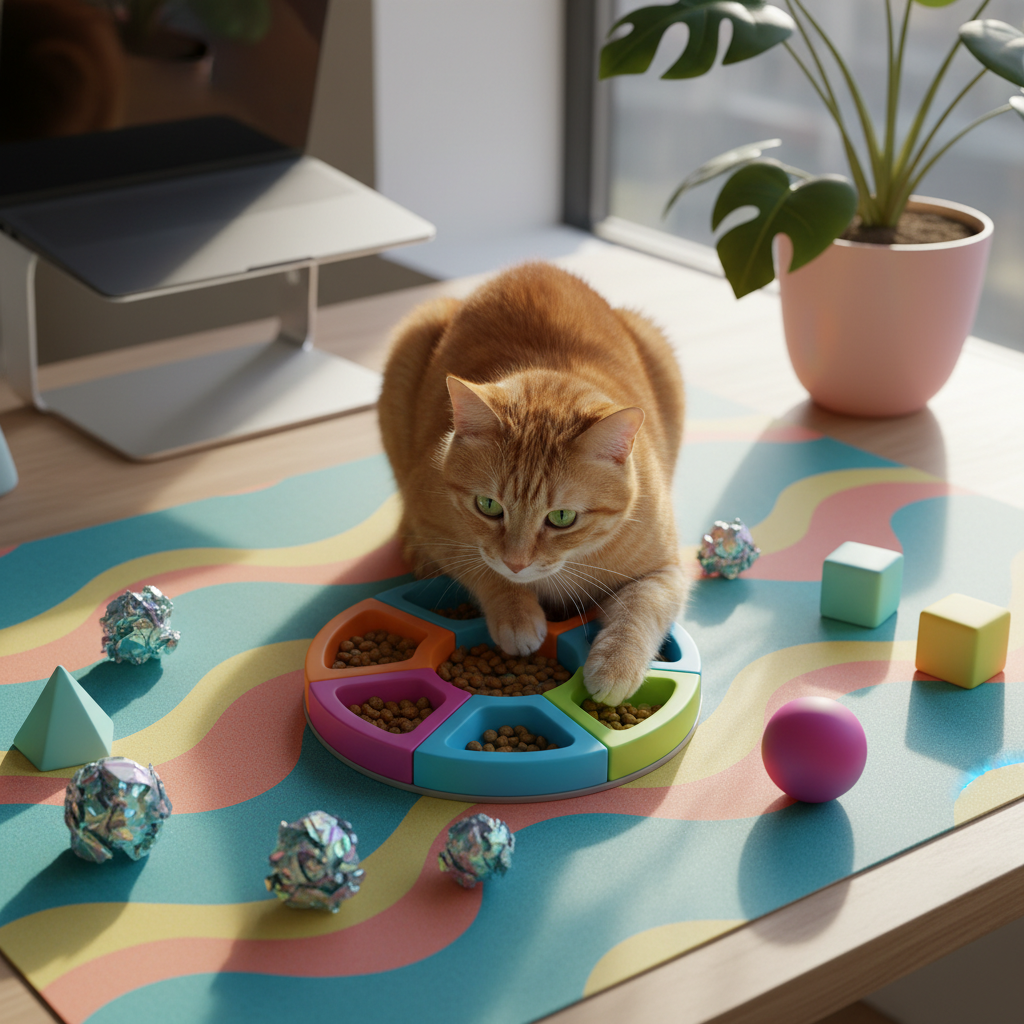
Mental stimulation is just as important as physical exercise. Puzzle toys, training sessions, and interactive games can help keep your pet’s mind sharp and prevent boredom-related behaviors like destructive chewing or excessive barking. Even a simple game of fetch or hide-and-seek can provide valuable mental enrichment. Are you challenging your pet mentally as well as physically?
The Social Animal: Importance of Play and Interaction
Many pets, especially dogs, are social creatures who thrive on interaction with other animals and humans. Regular playdates with other dogs or trips to the dog park can provide valuable social enrichment. Supervise interactions carefully to ensure they are safe and positive. Even if your pet is not particularly social, regular interaction with you is crucial for their emotional well-being. Spending time cuddling, playing, or simply talking to your pet can strengthen your bond and improve their overall mood. Remember, you are their family, and they need your love and attention.

The Safe Haven: Creating a Stress-Free Environment
A safe and comfortable environment is crucial for your pet’s physical and mental health. Stress can weaken the immune system, leading to increased susceptibility to illness and behavioral problems. Are you aware of the potential stressors in your pet’s environment and taking steps to minimize them?
Identifying and Eliminating Stressors
Common stressors for pets include loud noises (fireworks, thunderstorms), changes in routine, unfamiliar people or animals, and confinement. Creating a safe and predictable environment can help reduce stress levels. Provide a quiet, comfortable space where your pet can retreat when feeling overwhelmed. Use calming aids like pheromone diffusers or calming treats to help them cope with anxiety-provoking situations. Gradual desensitization and counter-conditioning techniques can also be used to help pets overcome specific fears. For example, if your dog is afraid of thunderstorms, you can gradually expose them to recordings of thunder at low volume while providing positive reinforcement like treats and praise.
The Importance of Routine
Pets thrive on routine. Consistent feeding times, walks, and playtime can provide a sense of security and predictability. Changes in routine, such as a new work schedule or a move to a new home, can be stressful for pets. Whenever possible, try to maintain a consistent routine and provide extra attention and reassurance during times of change. Imagine how disoriented you would feel if your daily schedule was constantly changing without warning. Your pet feels the same way.
Preventative Measures: Protecting Your Pet from Harm
A safe environment also means protecting your pet from potential hazards. Keep toxic substances like cleaning supplies, medications, and antifreeze out of reach. Secure electrical cords and sharp objects to prevent accidents. Regularly check your yard for poisonous plants or other dangers. Ensure your pet has proper identification, such as a microchip and collar with ID tags, in case they get lost. These simple preventative measures can save your pet’s life.
Mental and Emotional Well-being: The Often-Overlooked Aspect
We often focus on the physical aspects of pet health, neglecting the critical importance of mental and emotional well-being. A happy and mentally stimulated pet is a healthier pet. Are you providing your pet with enough opportunities for play, exploration, and social interaction?
Enrichment Activities: Keeping Minds Sharp
Enrichment activities are essential for preventing boredom and promoting mental stimulation. Puzzle toys, foraging games, and training sessions can help keep your pet’s mind engaged and prevent behavioral problems. Rotate toys regularly to keep things interesting. Introduce new smells and textures to stimulate their senses. Even a simple walk in a new location can provide valuable mental enrichment. Think of enrichment as providing your pet with a job or a purpose. It gives them something to focus on and prevents them from becoming bored and destructive.
The Power of Positive Reinforcement
Positive reinforcement training is a powerful tool for building a strong bond with your pet and improving their behavior. Use treats, praise, and toys to reward desired behaviors. Avoid punishment, as it can create fear and anxiety. Focus on teaching your pet what you want them to do, rather than what you don’t want them to do. Positive reinforcement training is not only effective but also fun and rewarding for both you and your pet. It strengthens your bond and creates a positive learning environment.
Recognizing and Addressing Behavioral Issues
Behavioral issues can be a sign of underlying stress, anxiety, or medical problems. If your pet is exhibiting unusual behaviors like excessive barking, destructive chewing, or aggression, it’s important to consult with a veterinarian or certified professional dog trainer. They can help identify the underlying cause of the behavior and develop a treatment plan. Don’t ignore behavioral issues, as they can escalate over time and negatively impact your pet’s quality of life. Early intervention is key.
The Proactive Approach: Preventative Care at Home
While veterinary check-ups are essential, you can play an active role in your pet’s health by performing regular preventative care at home. This includes checking their teeth, ears, skin, and coat for any signs of problems. Early detection can often prevent minor issues from becoming major health problems. Are you actively monitoring your pet’s health and taking steps to prevent problems before they arise?
Dental Care: A Crucial Component of Overall Health
Dental disease is one of the most common health problems in pets. Untreated dental disease can lead to pain, infection, and even organ damage. Brush your pet’s teeth regularly with a pet-specific toothpaste. Provide dental chews or toys to help remove plaque and tartar. Schedule regular professional dental cleanings with your veterinarian. Dental care is not just about preventing bad breath; it’s about protecting your pet’s overall health.
Grooming: More Than Just Aesthetics
Regular grooming is essential for maintaining a healthy coat and skin. Brush your pet regularly to remove loose hair and prevent mats. Trim their nails to prevent overgrowth and discomfort. Check their ears for signs of infection and clean them as needed. Grooming provides an opportunity to bond with your pet and identify any potential problems early on. A healthy coat and skin are signs of a healthy pet.

Early Detection: Recognizing Subtle Changes
Pay close attention to your pet’s behavior and appearance. Be aware of any changes in their appetite, energy level, or bathroom habits. Check for lumps, bumps, or skin lesions. If you notice anything unusual, consult with your veterinarian promptly. Early detection is often the key to successful treatment. Remember, you know your pet best. Trust your instincts and don’t hesitate to seek professional help if you are concerned about their health.
A Lifelong Commitment: Investing in Your Pet’s Future
Providing optimal health for your pet is a lifelong commitment. It requires dedication, attention, and a willingness to adapt to their changing needs. But the rewards are immeasurable. A healthy, happy pet brings joy, companionship, and unconditional love to your life. By embracing a holistic approach to pet wellness, focusing on nutrition, exercise, environment, and mental stimulation, you can help your furry friend live a longer, healthier, and more fulfilling life. Isn’t that the greatest gift we can give them in return for their unwavering loyalty and affection?

Hi, my name is Robert Max, I live in the United States and I’m the creator of InTechNews. I started this blog with the goal of sharing reliable and practical information about pet care, helping pet owners provide a healthier and happier life for their animals. I’m passionate about animal well-being and believe that good information makes all the difference in responsible pet ownership.