
Beyond the Squeak and the Shape: The Real Factor in Pet Toy Choice
We’ve all been there, haven’t we? Standing in the pet store aisle, overwhelmed by a kaleidoscope of colors, textures, and sounds. Squeaky toys, plush toys, rope toys, interactive puzzles – the options seem endless. We carefully examine each one, considering its durability, its size, perhaps even its aesthetic appeal. We think we’re doing our due diligence, ensuring we choose the perfect plaything for our beloved companion. But what if I told you that you’re probably missing the most crucial element in this decision-making process? It’s not about the price tag, the brand name, or even the cuteness factor. It’s something far more fundamental, something that taps into the very essence of your pet’s being.
What is this elusive factor? It’s understanding your pet’s individual play style. Not just breed tendencies or general canine/feline behavior, but the specific, unique preferences and motivations that drive your pet’s engagement with toys. Failing to recognize and cater to this individual play style is like buying a musical instrument for someone without considering their musical aptitude or interest. You might get them a beautiful violin, but if they’re tone-deaf and prefer percussion, the instrument will likely gather dust in a corner.
Why Individual Play Style Matters
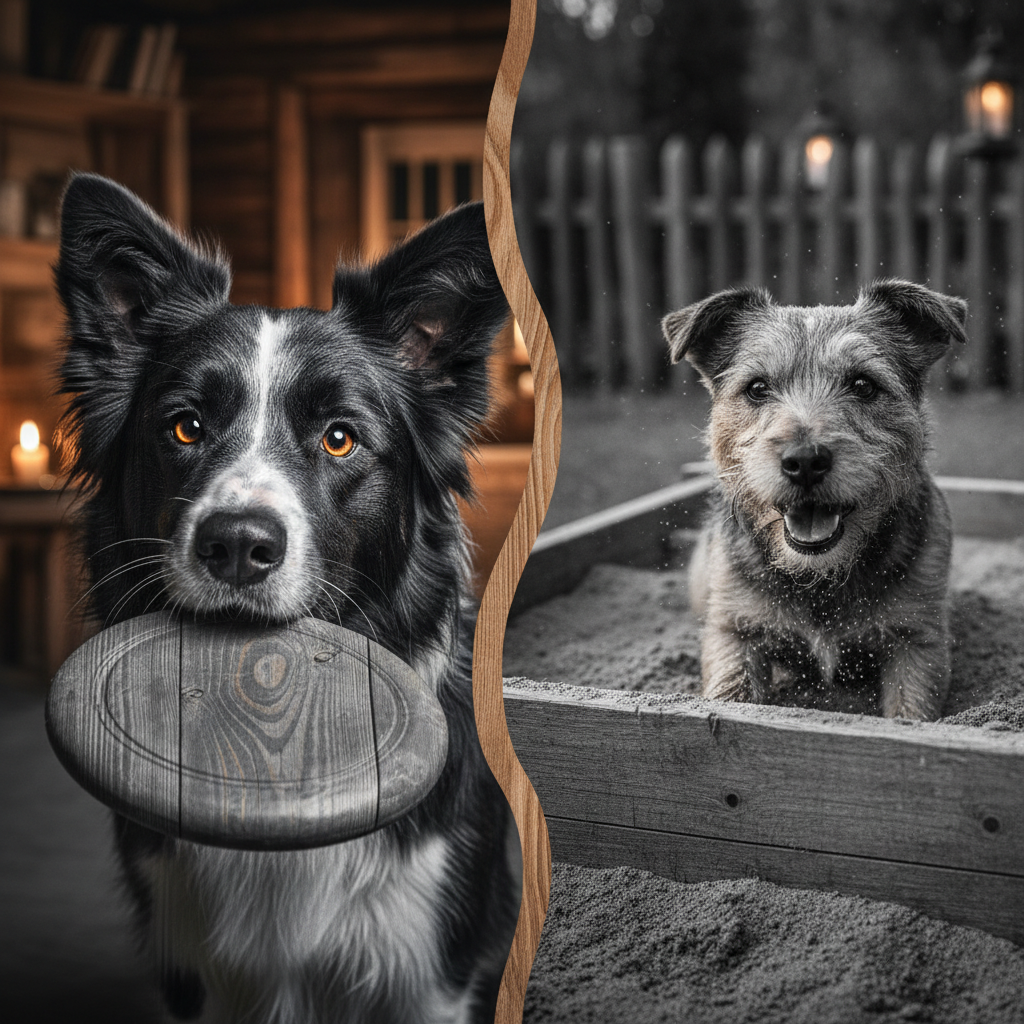
Think about it: every pet is an individual, shaped by genetics, environment, and experiences. Just as humans have distinct personalities and preferences, so too do our animal companions. Some dogs are driven by intense prey drive, relishing the thrill of the chase and the satisfaction of a “kill” (even if it’s just a plush squirrel). Others are motivated by social interaction, preferring games of fetch and tug-of-war that involve close contact with their human companions. And still others are primarily stimulated by mental challenges, thriving on puzzle toys that require problem-solving skills.
Ignoring these individual preferences can lead to a variety of negative consequences. A high-energy dog given only passive toys may become bored and destructive, channeling their pent-up energy into unwanted behaviors like chewing furniture or excessive barking. A shy or anxious cat may be overwhelmed by loud, stimulating toys, leading to fear and withdrawal. Even seemingly innocuous mismatches can result in decreased engagement and a general lack of interest in playtime, depriving your pet of valuable physical and mental stimulation.
Unveiling Your Pet’s Play Personality
So, how do you uncover your pet’s unique play style? It requires careful observation, experimentation, and a willingness to step outside the box of conventional pet toy wisdom. Here are some key areas to explore:
Observational Techniques: The Power of Passive Watching
The first step is simply to observe your pet’s natural behaviors. Pay attention to how they interact with their environment, both inside and outside the home. Do they stalk birds in the garden? Are they fascinated by rustling noises? Do they enjoy chasing squirrels? These behaviors can offer valuable clues about their underlying instincts and motivations.
For example, a dog that consistently stalks and chases smaller animals likely has a strong prey drive. This dog might enjoy toys that mimic the movement and texture of prey, such as flirt poles, squeaky toys, or even laser pointers (used responsibly, of course). A cat that spends hours batting at dust bunnies under the furniture may be drawn to interactive toys that encourage hunting and pouncing, like wand toys with feathers or small plush mice.
Beyond prey drive, consider your pet’s social preferences. Do they enjoy wrestling with other animals? Do they seek out physical contact with you? Do they seem to crave attention and interaction? These social cues can indicate a preference for interactive play, such as fetch, tug-of-war, or even gentle grooming sessions.
Toy Trials: Experimentation is Key
Once you’ve gathered some initial observations, it’s time to experiment with different types of toys. Don’t be afraid to try things that you wouldn’t normally consider. The goal is to expose your pet to a wide range of stimuli and see what sparks their interest.
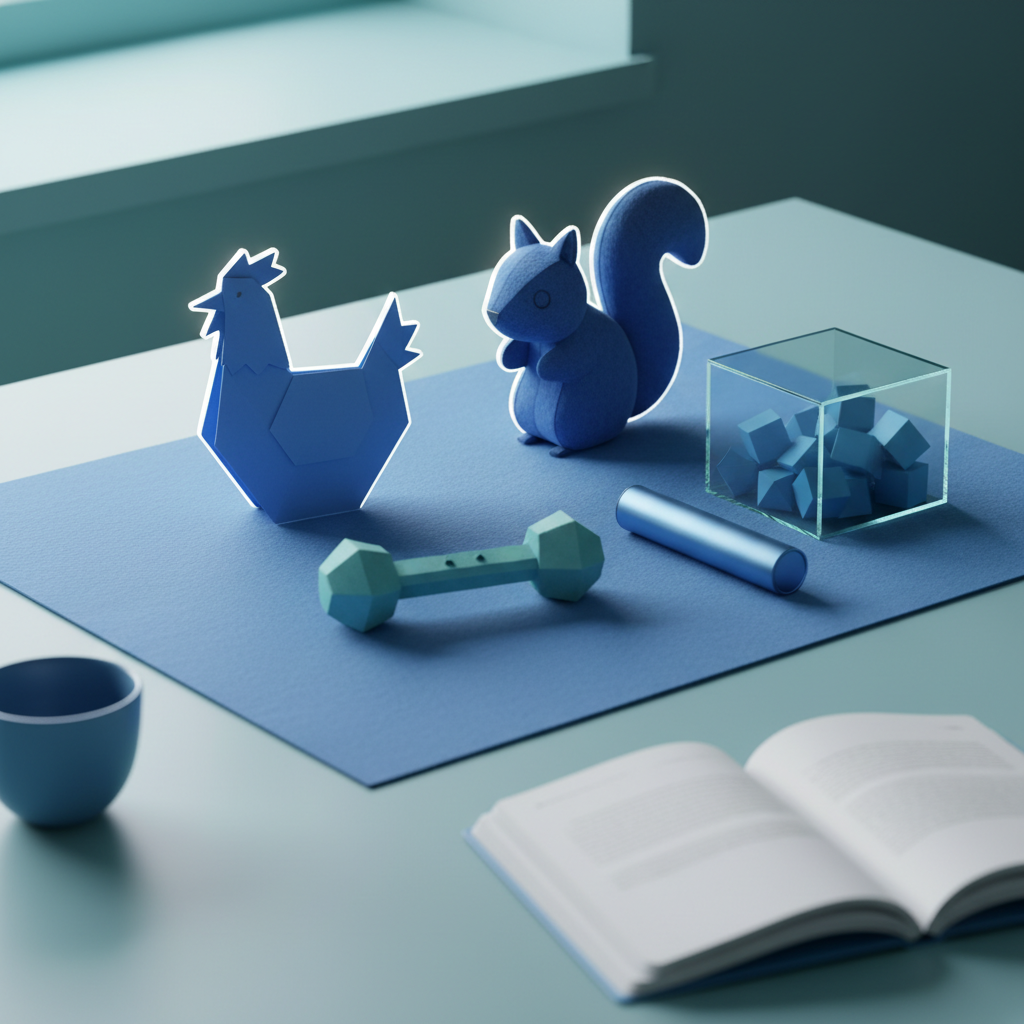
Start with a small selection of toys that represent different play styles: a squeaky toy for prey drive, a rope toy for tug-of-war, a puzzle toy for mental stimulation, and a plush toy for comfort and security. Introduce these toys one at a time, and observe your pet’s reaction. Do they immediately engage with the toy? Do they sniff it cautiously and then ignore it? Do they seem confused or overwhelmed?
Pay close attention to the details of their interaction. How do they hold the toy? Do they shake it vigorously? Do they mouth it gently? Do they try to bury it? These subtle cues can provide valuable insights into their preferences. For example, a dog that shakes a squeaky toy violently may be channeling their prey drive, while a dog that mouths a plush toy gently may be seeking comfort and security.
Decoding the Data: Interpreting Your Findings
After conducting several toy trials, you should start to see patterns emerge. Your pet may consistently gravitate towards certain types of toys while ignoring others. They may exhibit specific behaviors that indicate a strong preference for a particular play style. The key is to analyze these patterns and use them to inform your future toy purchases.
For instance, let’s say you discover that your dog consistently chooses the rope toy over all other options, and that they engage in enthusiastic games of tug-of-war whenever you offer it. This suggests that your dog is highly motivated by social interaction and enjoys the physical challenge of tug-of-war. You might then consider investing in a variety of rope toys with different textures and thicknesses, or even explore other interactive games like fetch or agility training.
Conversely, if you find that your cat consistently ignores interactive toys and prefers to play with simple objects like crumpled paper or bottle caps, it may indicate that they are primarily motivated by novelty and unpredictability. In this case, you might try rotating their toys frequently to keep them engaged, or even create DIY toys using household items.

Beyond the Basics: Nuances and Considerations
Identifying your pet’s primary play style is a great starting point, but it’s important to remember that play preferences can be complex and multifaceted. Several factors can influence a pet’s engagement with toys, including age, health, environment, and even mood.
Age and Development: Adapting to Changing Needs
A puppy’s play style will likely differ significantly from that of a senior dog. Puppies are typically more energetic and exploratory, enjoying a wide variety of toys and activities. Senior dogs, on the other hand, may have decreased energy levels and physical limitations, requiring softer, more comfortable toys and gentler forms of play. Similarly, a kitten’s play style will evolve as they mature into an adult cat, developing more refined hunting instincts and preferences.
It’s important to adapt your toy selection and play routines to accommodate your pet’s changing needs as they age. For puppies, focus on durable toys that can withstand chewing and rough play. For senior dogs, prioritize soft, plush toys that are easy on their joints. For kittens, provide a variety of toys that encourage exploration and hunting behavior.
Health and Well-being: Recognizing Limitations
A pet’s health can also significantly impact their play style. A dog with arthritis may be less inclined to engage in high-impact activities like fetch or jumping. A cat with dental problems may avoid hard or chewy toys. It’s crucial to be aware of your pet’s physical limitations and choose toys that are safe and comfortable for them to use.
If your pet has any health concerns, consult with your veterinarian to determine the appropriate types of toys and activities. They may recommend specific types of toys that are designed to be gentle on joints or teeth, or they may suggest alternative forms of play that are less physically demanding.
Environmental Factors: Setting the Stage for Play
The environment in which your pet plays can also influence their engagement with toys. A noisy, chaotic environment may be overwhelming for a shy or anxious pet, while a sterile, unstimulating environment may be boring for a high-energy pet. Creating a safe, comfortable, and stimulating play environment can significantly enhance your pet’s enjoyment of playtime.
Consider providing a dedicated play area for your pet, free from distractions and hazards. This area should be well-lit, well-ventilated, and equipped with a variety of toys and activities. You can also customize the environment to suit your pet’s specific preferences. For example, a cat might appreciate a scratching post, a climbing tree, or a window perch with a view. A dog might enjoy a digging box filled with sand or a paddling pool for cooling off on hot days.
Mood and Motivation: Recognizing Fluctuations
Finally, it’s important to recognize that your pet’s mood and motivation can fluctuate from day to day. Just like humans, pets have good days and bad days. They may be more or less receptive to play depending on their mood, energy level, and overall well-being. Don’t force your pet to play if they’re not in the mood. Instead, be patient and understanding, and try again later.
Pay attention to your pet’s body language and cues. If they’re wagging their tail, perking up their ears, and exhibiting playful behaviors, they’re likely in the mood for some fun. If they’re hiding, cowering, or showing signs of stress, they may need some space and quiet time.
The Dark Side of Mismatched Toys: Unintended Consequences
Choosing the wrong toys for your pet isn’t just a matter of wasted money; it can have significant negative consequences for their physical and mental well-being. We’ve touched on some of these consequences already, but let’s delve deeper into the potential pitfalls of ignoring your pet’s individual play style.
Behavioral Problems: The Boredom Factor
One of the most common consequences of mismatched toys is the development of behavioral problems. A bored or understimulated pet is more likely to engage in destructive behaviors like chewing, digging, and excessive barking. They may also become anxious, restless, or even aggressive.
For example, a high-energy dog confined to a small apartment with only passive toys may become frustrated and destructive. They may start chewing on furniture, scratching at doors, or barking incessantly. Similarly, a cat left alone all day with nothing to do may start scratching the sofa, knocking things off shelves, or even developing urinary problems due to stress.
Providing your pet with appropriate toys and activities can help prevent these behavioral problems. Choose toys that cater to their individual play style and provide them with opportunities for physical and mental stimulation. If you’re unable to provide enough stimulation yourself, consider hiring a dog walker, a pet sitter, or enrolling your pet in daycare.
Physical Health Risks: Safety First
In addition to behavioral problems, mismatched toys can also pose physical health risks. Toys that are too small can be choking hazards, while toys that are too hard can damage teeth or gums. Toys made from toxic materials can cause poisoning if ingested.
Always choose toys that are appropriate for your pet’s size, age, and chewing habits. Avoid toys with small parts that can be easily swallowed, and opt for toys made from durable, non-toxic materials. Regularly inspect your pet’s toys for damage and replace them as needed. Supervise your pet during playtime to ensure they’re not chewing on or ingesting anything harmful.
Emotional Distress: The Importance of Enrichment
Finally, mismatched toys can cause emotional distress. A pet that is constantly bored, frustrated, or anxious is not a happy pet. They may become withdrawn, depressed, or even fearful. Providing your pet with appropriate toys and activities is essential for their emotional well-being.
Enrichment is the process of providing your pet with opportunities for physical and mental stimulation, as well as social interaction. This can include providing them with a variety of toys, engaging them in interactive play, taking them for walks or hikes, and exposing them to new environments and experiences. Enrichment is crucial for preventing boredom, reducing stress, and promoting overall well-being.

The Ultimate Toy Guide: Tailoring to Specific Play Styles
Now that we’ve explored the importance of individual play style, let’s take a look at some specific toy recommendations based on different play preferences. Keep in mind that these are just general guidelines, and you’ll need to experiment to find what works best for your individual pet.
The Prey-Driven Pet: Channeling the Hunter
For pets with a strong prey drive, focus on toys that mimic the movement and texture of prey. Squeaky toys, flirt poles, laser pointers (used responsibly), and plush toys that can be shaken and “killed” are all good options. Consider toys with realistic fur or feathers to further stimulate their hunting instincts.
The Social Butterfly: Interactive Play is Key
For pets who thrive on social interaction, interactive toys like fetch toys, tug-of-war ropes, and puzzle feeders are ideal. These toys provide opportunities for you to bond with your pet and engage in shared activities. Consider toys that require teamwork or cooperation to further strengthen your bond.
The Puzzle Solver: Mental Stimulation is Paramount
For pets who enjoy mental challenges, puzzle toys are a great choice. These toys require your pet to solve a problem in order to access a reward, such as a treat or a toy. Start with simple puzzles and gradually increase the difficulty as your pet becomes more proficient. Rotating the puzzles regularly will keep them engaged and prevent boredom.
The Comfort Seeker: Security and Soothing
For pets who seek comfort and security, soft, plush toys are essential. These toys can provide a sense of security and comfort, especially when your pet is feeling anxious or stressed. Consider toys with a calming scent, such as lavender or chamomile, to further enhance their soothing effect.
In conclusion, buying pet toys shouldn’t be a random act or a matter of following trends. It’s about truly understanding your companion’s unique personality and catering to their individual needs. By observing, experimenting, and adapting, you can unlock a world of joy and enrichment for your beloved pet, strengthening your bond and ensuring their overall well-being. So, the next time you find yourself in that pet store aisle, remember to look beyond the squeak and the shape, and focus on the most important factor: your pet’s individual play style. It’s the key to unlocking a happier, healthier, and more fulfilled life for your furry friend.

Hi, my name is Robert Max, I live in the United States and I’m the creator of InTechNews. I started this blog with the goal of sharing reliable and practical information about pet care, helping pet owners provide a healthier and happier life for their animals. I’m passionate about animal well-being and believe that good information makes all the difference in responsible pet ownership.